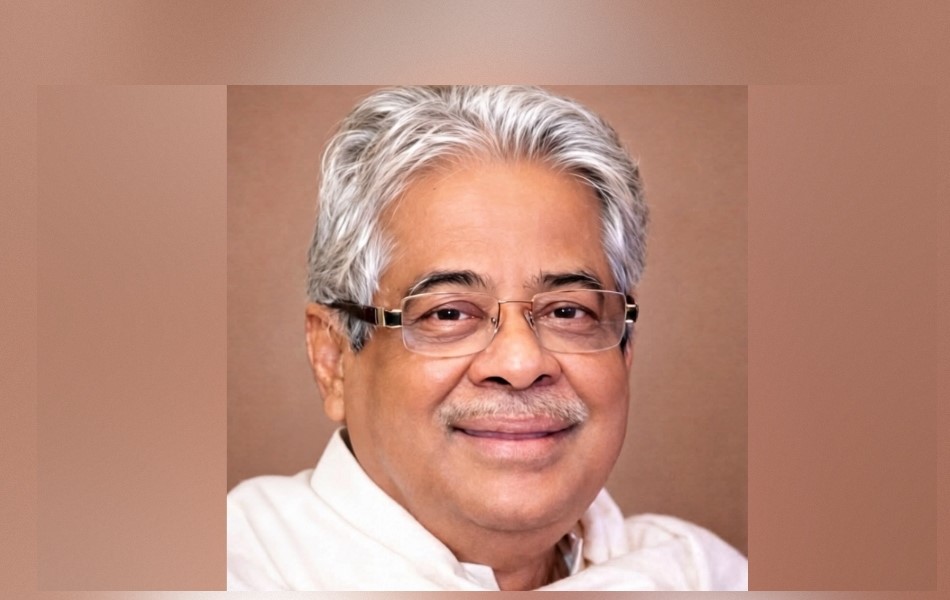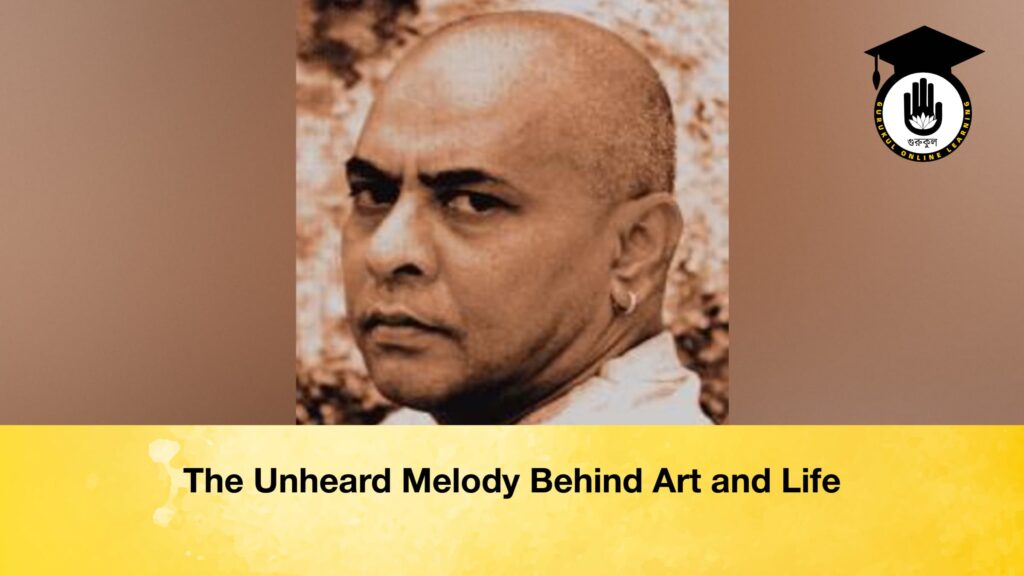

The historical development of modern popular music within Bangladesh remains inextricably linked to the life and career of Azam Khan. He was a distinct cultural figure who successfully operated across two defining spheres: first as a courageous guerrilla fighter during the 1971 Liberation War, and subsequently as the foundational architect of the nation’s post-independence band music movement. For his pioneering contributions, he is universally revered across generations as the “Guru” of Bangladeshi pop.
Born Mohammad Mahbubul Haq Khan, his artistic influence endures through an array of classic compositions that reshaped the vernacular music scene. His most celebrated works include Rail Line Er Oi Bostite, Ore Saleka Ore Maleka, Alal O Dulal, Anamika, Abhimani, and Asi Asi Bole. His landmark 1972 concert broadcast on Bangladesh Television (BTV) is widely cited by music historians as the catalyst that transitioned contemporary rock and pop melodies into mainstream Bangladeshi society.
Table of Contents
Family Lineage, Childhood, and Education
Azam Khan was born on 28 February 1950 in Azimpur, Dhaka. His father, Mohammad Aftab Uddin Khan, held a senior administrative position within the Home Department of the Government Secretariat and ran a private homeopathy practice, while his mother was Jobeda Khatun. Raised in a close-knit household, he grew up alongside three brothers and one sister: elder brother Said Khan, middle brother and legendary music director Alam Khan, younger brother and fellow wartime volunteer Liaquat Ali Khan, and younger sister Shamima Akhter Khanam.
He began his formal schooling at Azimpur Dhakeshwari School before moving to the Provincial School in Kamalapur for his primary education. He went on to pass his Secondary School Certificate (SSC) examinations from Siddheswari High School in 1968 and attained his Higher Secondary Certificate (HSC) from T&T College in 1970. Due to the rapid outbreak of armed hostilities across the country, he was unable to pursue further institutional studies.
Political Awakening and Military Service
Khan’s initial public activism took shape during the mass upsurge of 1969, where he vocalised strong opposition to Pakistani state discrimination. As an active vocalist with the cultural troupe Kranti Shilpi Gosthi, he performed revolutionary mass-mobilisation songs to politically awaken the working-class populace.
When the war broke out in late March 1971, inspired by his father’s patriotic ideals, he chose to enlist in the armed resistance. Alongside two companions, he travelled on foot across the border to Agartala, India, where he joined Sector 2 under the operational command of Colonel Khaled Mosharraf. Following an intensive period of tactical infantry training at the Melaghar camp, he experienced his first direct frontline engagement against Pakistani troops at Salda in Comilla, before being redeployed directly into Dhaka to orchestrate underground guerrilla actions.
At the age of 21, Azam Khan was appointed section commander within Sector 2, taking direct responsibility for urban guerrilla cells in the capital. His most notable tactical achievement was Operation Titas, a sabotage mission targeting key gas supply lines connected to the Hotel InterContinental and Hotel Purbani. This operation sought to cut off utilities to foreign press quarters, sending a clear geopolitical signal that a full-scale war of independence was actively underway. During his deployment, he sustained a severe shrapnel injury to his left ear, resulting in lifelong hearing difficulties. In mid-December 1971, following a decisive victory at the Battle of Trimohani in Madartek, he successfully led his detachment into liberated Dhaka.
Domestic Life and Historical Record
In his private life, Azam Khan enjoyed a stable marriage with Shaheda Begum. The couple raised three children: two daughters, Ima and Aroni, and one son, Hridoy.
A structured factual breakdown of his life, military career, and cultural contributions is presented in the table below:
| Dimension | Verified Historical Facts |
| Full Legal Name | Mohammad Mahbubul Haq Khan |
| Date of Birth | 28 February 1950 |
| Birthplace Location | Azimpur, Dhaka, East Bengal |
| Academic History | SSC (1968, Siddheswari High); HSC (1970, T&T College) |
| Wartime Designation | Section Commander, Sector 2 (Under Col. Khaled Mosharraf) |
| Strategic Actions | Operation Titas & The Battle of Trimohani |
| Core Discography | Rail Line Er Oi Bostite, Alal O Dulal, Ore Saleka Ore Maleka |
| Immediate Family | Shaheda Begum (Spouse); Ima, Hridoy, Aroni (Children) |
| Date of Demise | 5 June 2011 (Aged 61) |
| State Decoration | Ekushey Padak (Conferred Posthumously) |
Final Years and National Recognition
Following an extended and difficult battle with cancer, Azam Khan passed away on 5 June 2011 at the age of 61. In recognition of his foundational contributions to the musical heritage of the state, he was posthumously decorated with the Ekushey Padak, Bangladesh’s second-highest civilian honour. Beyond formal state citations, he remains uniquely celebrated as the genuine voice of the liberation generation and the undisputed emperor of Bangladeshi pop music.