Within the vast realm of Hindustani classical music, Raga Mian ki Todi (often referred to simply as Todi) is far more than a specific permutation of notes; it represents profound spiritual contemplation, deep introspection, and the quiet yearning of early morning. In musical treatises, it is regarded as the quintessential primary raga of the Todi anga. The serene stillness, pathos (Karuna Rasa), and introspective spirituality of dawn attain a sublime, almost mystical expression through the solemn note structures of Todi.
Table of Contents
Historical Background and the Contribution of Mian Tansen
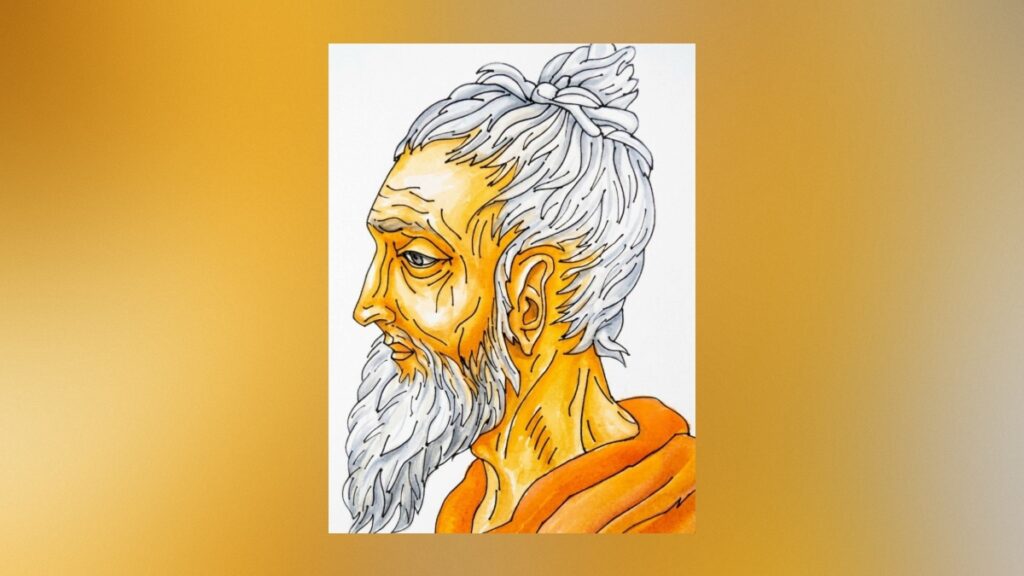
According to musical tradition, Mian Tansen—the legendary court musician to the Mughal Emperor Akbar in the sixteenth century—created this raga by refining the scalar dynamics of the ancient Todi scale. It was named Mian ki Todi (literally, ‘Mian Tansen’s Todi’) in honour of its creator.
Classical Profile and Framework of Raga Mian ki Todi
- Thaat: Todi
- Jati (Class): Sampurna–Sampurna (Septatonic in ascent and descent; alternatively Shadav–Sampurna if Pancham is omitted or weakened in ascent)
- Vadi (Primary Note): Dhaivat (d)
- Samvadi (Secondary Note): Gandhar (g)
- Nature / Mood: Deeply solemn, poignant, detached, devotional, and introspective
- Performance Time: Second quarter of the day (9:00 AM – 12:00 PM)
- Dominant Anga: Poorvanga-pradhan and Todi Anga
- Notes (Swaras) Used: Ultra-flat Rishabh (r), ultra-flat Gandhar (g), sharp/intense Madhyam (M/tivra M), ultra-flat Dhaivat (d), and Shuddha/Komal Nishad
Arohana, Avrohana, and Pakad
- Arohana (Ascent): S r g, M P, d N Ś (or: ṇ S r g, M d n Ś)
- Avrohana (Descent): Ś N d P, M g, r g r S
- Pakad (Key Phrase): ḍ ṇ S, g r S; M g, r g r S; d ṇ S
Microtonal Nuances: Ultra-Flat Notes, Shruti, and Oscillations
1. Employment of Ultra-Flat (Ati-Komal) Notes
2. Slow Oscillation (Andolan) on Gandhar and Dhaivat
3. Strategic Treatment of Pancham (P)
Classification and Allied Variants of the Todi Family
- Core Todi-Anga Ragas: Mian ki Todi, Shuddha Todi, Darbari Todi, and Gurjari Todi (which omits Pancham altogether). These ragas retain the essential Tivra Madhyam and ultra-flat microtonal notes of pure Todi.
- Ragas Bearing the Todi Name but Belonging to Other Lineages: Bilaskhani Todi, Asavari Todi, Jaunpuri Todi, Deshi Todi, Bahaduri Todi, and Lachari Todi. Analytical study shows that most of these reflect stronger influences from the Asavari or Kafi thaats and do not employ the characteristic sharp Tivra Madhyam of Todi.
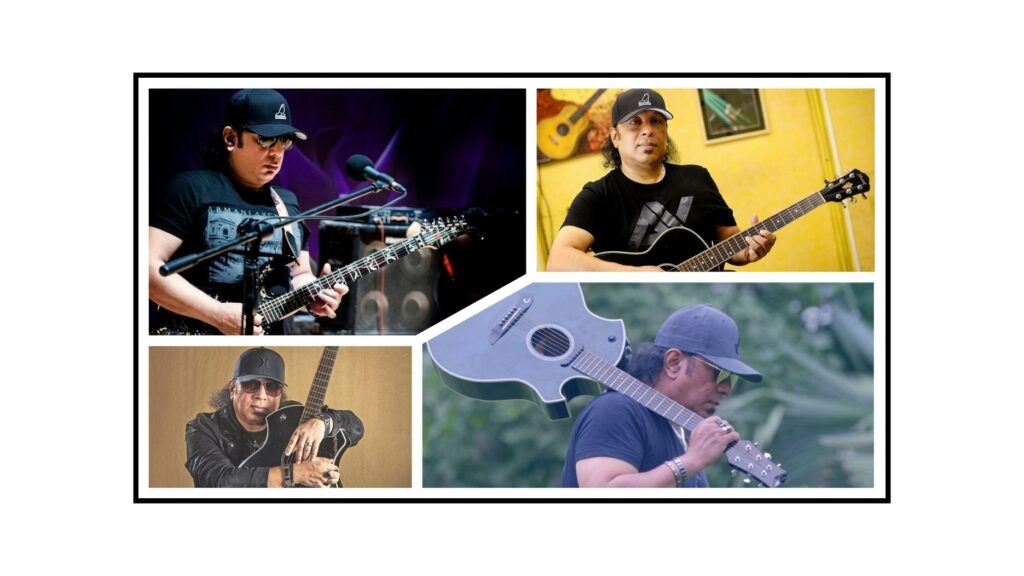
Bengali Khayal and the Landmark Contribution of Ustad Azad Rahman
Lyrics and Rhythmic Framework of Bengali Khayals Composed by Ustad Azad Rahman
Grammar of Akarmatrik Notation Used in Bengali Khayal
1. Octave Identifiers
- Middle octave (Madhya Saptak) notes carry no special marks (e.g., S R G).
- Lower octave (Mandra Saptak / bass) notes feature a subscript sign or sub-dot below the note (e.g., ṇ, ḍ, p).
- Higher octave (Tara Saptak / treble) notes feature a superscript sign or over-dot above the note (e.g., Ś, R̄, Ḡ).
2. Altered Notes (Vikrit Swaras)
- Flat Rishabh (Komal Rishabh) = r
- Flat Gandhar (Komal Gandhar) = g
- Sharp Madhyam (Tivra/Kari Madhyam) = M
- Flat Dhaivat (Komal Dhaivat) = d
- Flat Nishad (Komal Nishad) = n
3. Beat Division Symbols
- Single beat (Ekmantra) = ||
- Half beat = :
- Quarter beat = 0
- Two half beats = Sr
- Four quarter beats = Srgm
- Two quarter beats = Sr:
- One-and-a-half beats plus half beat = R: G:
4. Grace Notes (Kan Swaras)
5. Rest / Pause Markers
6. Rhythm and Measure (Taal, Sam, and Khali) Markers
- Vertical bars (|) denote measure divisions (vibhag).
- The start of a measure cycle (Sam) is marked with ‘1’ or a superscript mark, while empty/unaccented beats (Khali) are designated by zero (‘0’).
7. Repetition and Glides (Meend)
- Repetitions are indicated using brackets or repeat signs (ৎ:).
- A smooth glide from one note to another (Meend) is denoted by a curved slur symbol (V) beneath the notes (e.g., N V P).
- When a note is sustained across syllables, hyphens (-) indicate the continuation of the pitch.