
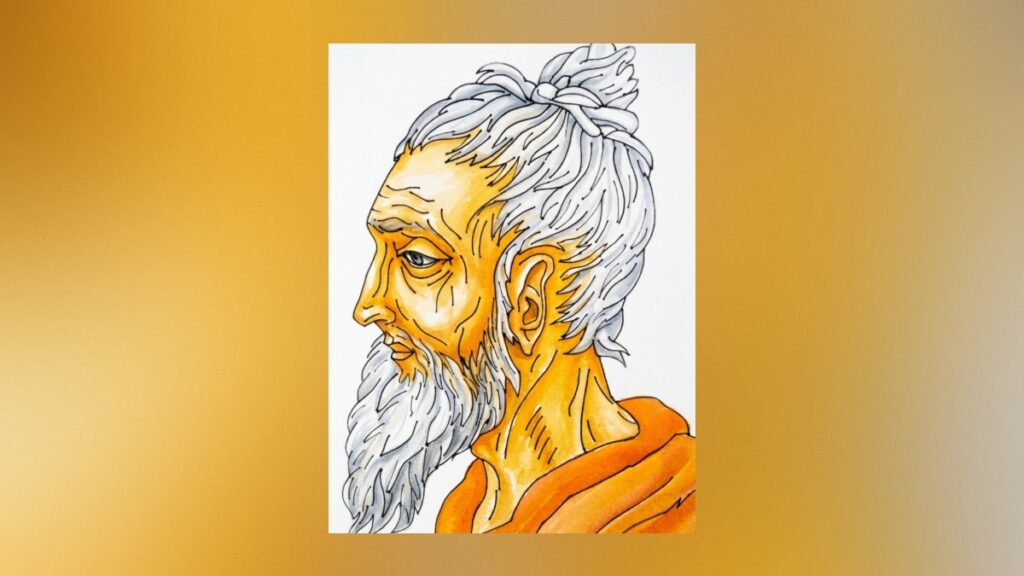
‘Time once lost will not return for spiritual practice.’
‘Worship humanity, and you will become a person of gold.’
These timeless lines reflect the philosophy of Fakir Lalon Shah, the celebrated Baul mystic widely known as Lalon Sai. His songs, rooted in the folk traditions of Bengal, carry a profound message: the search for truth begins with understanding humanity, and the highest form of spiritual realisation lies in recognising the dignity of every person.
Lalon was far more than a Baul practitioner or songwriter. He was a humanist thinker who challenged caste distinctions, religious narrow-mindedness, racial discrimination and social arrogance. His philosophy placed human beings above the divisions created by society, urging people to look beyond outward identities and discover the person within.
His spiritual journey centred on the search for the ‘Moner Manush’, or the person of the heart — an expression often associated with the deepest truth within oneself. Through simple yet thought-provoking lyrics, Lalon encouraged people to question established beliefs, examine their own lives and cultivate compassion for others.
Table of Contents
A life shaped by spiritual pursuit
The precise details of Lalon Shah’s birth, birthplace and family background remain uncertain. Researchers have differing views on these aspects of his life, while popular accounts place his birth around 1772. Reliable historical evidence establishing his exact birth date and early life is limited.
According to oral tradition, Lalon became seriously ill at one point in his life and received care and shelter from a spiritual practitioner named Siraj Sai. This encounter is believed to have influenced his subsequent spiritual development and the path he followed.
Lalon eventually established his spiritual centre at Chheuriya in Kushtia, where he gathered disciples and developed a distinctive tradition of spiritual practice. The community around him reflected his belief that a person’s worth should not be determined by religion, caste or social standing. Human dignity, rather than inherited identity, lay at the heart of his teachings.
During the 19th century, Bengal’s social landscape was marked by caste-based divisions, religious orthodoxy and entrenched social hierarchies. Lalon questioned the foundations of such distinctions through both his songs and his way of life. He challenged people to consider what truly defines a human being: birth, religion, social status or the humanity they demonstrate towards others.
That question continues to resonate in societies where prejudice and discrimination remain persistent concerns.
The philosophy of humanity in his songs
Lalon’s compositions occupy a treasured place in Bengali folk music. His songs bring together spirituality, love, self-examination, the philosophy of the body, devotion to a spiritual guide and reflections on the human condition. Although expressed in accessible, everyday language, they often contain complex philosophical ideas.
One of his best-known songs, ‘Shomoy Gele Shadhon Hobe Na’ — commonly understood as a reminder that spiritual practice cannot simply be postponed — reflects on the fleeting nature of life and the importance of time. Its message encourages people to begin the journey towards self-awareness and moral growth without delay.
Another celebrated composition, ‘Shob Loke Koy Lalon Ki Jaat Shongshare’, directly questions the social obsession with caste and identity. Lalon challenges listeners to consider whether any meaningful distinction between people can be established through birth or outward appearance. If humanity is shared by all, he asks in effect, why should society divide people into separate groups?
The question was especially challenging in a period when social and religious identities often determined a person’s place in the community. Rather than accepting such divisions as natural, Lalon invited people to examine their origins and consequences.
Other enduring songs, including ‘Khachar Bhitor Ochin Pakhi’, ‘Milon Hobe Koto Dine’ and ‘Amar Moner Manusher Shone’, explore the mysteries of existence, the longing for spiritual union and the search for an elusive inner truth. Through images drawn from ordinary life, Lalon expressed ideas that remain open to interpretation across generations.
His music is therefore more than a form of entertainment. It offers an opportunity for reflection, encouraging listeners to look inward, question their assumptions and reconsider how they treat others.
Influence on literature, music and global culture
Lalon’s ideas left a lasting impression on Bengali literature, music and intellectual life. Rabindranath Tagore showed a particular interest in Baul songs and Lalon’s work. Tagore’s engagement with the Baul tradition helped introduce this rich folk heritage to a wider, educated audience and contributed to broader appreciation of its philosophical depth.
Humanist themes in Lalon’s work also invite comparisons with ideas found in the writings and creative thought of Kazi Nazrul Islam and other Bengali poets, writers and artists. Their approaches differed, but questions of human dignity, freedom and resistance to social prejudice form important points of connection.
Interest in Bengal’s Baul heritage has extended beyond the region. American poet Allen Ginsberg also expressed an interest in the tradition, reflecting the wider cultural appeal of a musical and spiritual movement rooted in rural Bengal.
Today, Lalon’s songs reach audiences far beyond their original cultural setting. Their themes — the search for identity, the desire for love, spiritual uncertainty and the dream of a society free from discrimination — speak to universal human concerns. Their enduring relevance lies partly in their refusal to offer easy answers. Instead, they invite listeners to keep asking difficult questions about themselves and the world around them.
A legacy that transcends divisions
Lalon Shah’s philosophy was not confined to a single religious or social identity. His message was rooted in the belief that people must learn to value one another, recognise the dignity of every human being and understand the deeper nature of their own existence.
His songs continue to challenge prejudice and remind listeners that outward differences need not become barriers to compassion. In an increasingly divided world, that message remains significant.
On 17 October, observed here as the anniversary of his death, admirers pay tribute to the humanist mystic whose music and ideas continue to shape Bengal’s cultural heritage.
Lalon Sai’s voice lives on through the songs sung by generations of performers and listeners. His philosophy endures in the hearts of those who seek a more compassionate world — one in which humanity matters more than labels, and respect for others begins with understanding oneself.