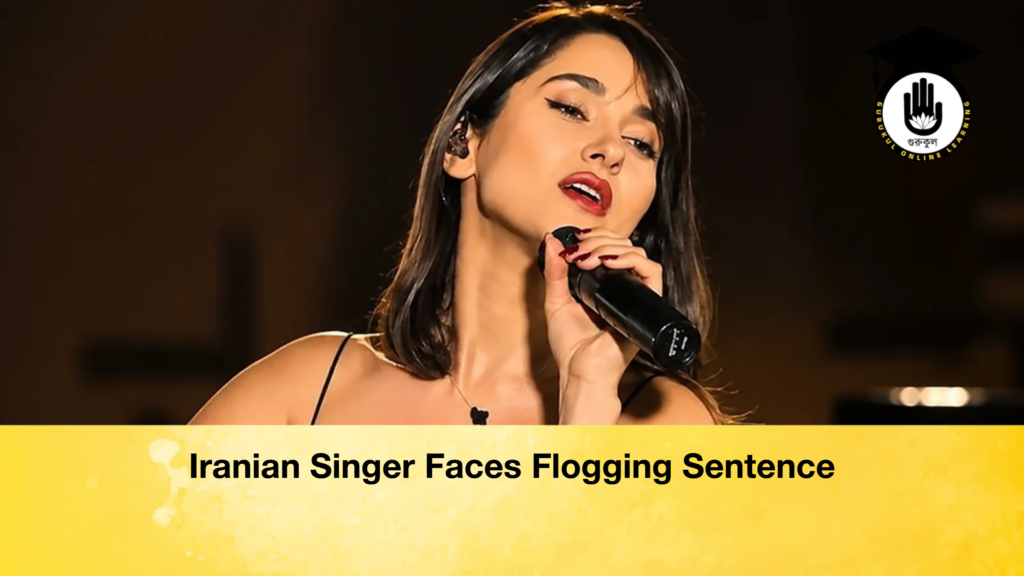
In a case that has sparked widespread international debate, a 29-year-old Iranian singer, Parastoo Ahmadi, and several of her colleagues have been handed strict judicial penalties following an online live musical performance broadcast in December 2024. A court in Iran’s Qom Province recently delivered the ruling, drawing sharp reactions from human rights advocates and cultural organisations both inside and outside the country.
The controversy began when Ahmadi performed a patriotic song titled “Today is the Blood of the Nation” during a live-streamed session on social media. During the performance, she appeared without wearing a hijab, a requirement under Iran’s strict dress regulations for women in public settings. The video quickly went viral, triggering heated debate across digital platforms and prompting swift intervention by the authorities. Ahmadi and several members of her musical group were subsequently detained. Although they were released after a short period, formal charges were later filed against them.
According to the court’s ruling, the defendants were found guilty of allegedly promoting “immoral and obscene content.” As part of the sentence, Ahmadi and eight members of her ensemble were each sentenced to 74 lashes. In addition, Ahmadi has been banned from performing music for two years and is also prohibited from leaving the country.
Summary of Sentences
| Category | Details |
|---|---|
| Lead artist | Parastoo Ahmadi |
| Number of collaborators | 8 |
| Type of corporal punishment | 74 lashes each |
| Performance ban | 2 years |
| Travel restriction | Exit ban imposed |
The verdict has provoked strong criticism from international human rights organisations, many of which have described the punishment as a severe infringement on artistic freedom and freedom of expression. Critics argue that the case reflects broader concerns over cultural repression and tightening restrictions on dissenting voices within Iran.
A US-based human rights group stated that imposing corporal punishment on a young musician for a live performance and dress code violation highlights a worrying deterioration in human rights protections. Meanwhile, Iranian legal analyst Moein Khazaeli noted that there is no explicit provision in Iranian law criminalising women’s singing performances, suggesting that the ruling may represent an overextension in legal interpretation.
Prominent Iranian artists and activists in exile, including actress Nazanin Boniadi and exiled performer Setareh Maleki, have also condemned the verdict. They have described it as a troubling indicator of shrinking cultural space and increasing pressure on artistic expression.
The case continues to reverberate internationally, intensifying scrutiny of Iran’s approach to cultural regulation and raising renewed questions about the state of artistic and expressive freedoms in the country.