There was a time when a new music release in Bangladesh meant magnetic tape cassettes, visits to local record shops, and eager anticipation by the radio or television set. Compact discs briefly claimed the market, only for MP3 file-sharing and widespread digital piracy to decimate physical sales. Yet, what seemed like the death of the commercial record industry instead paved the way for a digital rebirth. Driven by YouTube, global streaming platforms, Facebook Reels, and TikTok, the Bangladeshi music market has undergone a total structural overhaul, changing how music is produced, promoted, monetised, and legally protected.
Table of Contents
From Magnetic Tapes to Mobile Ring tones
Throughout the 1990s and early 2000s, audio cassettes represented the backbone of the domestic music industry. Launching an album required an extensive commercial ecosystem encompassing record labels, manufacturing plants, regional distributors, and retail outlets. The trade supported a vast network of recording studios, cover artwork designers, poster printers, and logistics workers.
When CDs emerged in the early 2000s, they promised superior audio quality and higher margins, but rapid technological shifts truncated their dominance. The rise of MP3 compression, internet access, and illegal downloads allowed listeners to store hundreds of pirated tracks instantly. Physical album sales plummeted, forcing retail shops across the country to close. Today, commercial manufacturing of audio cassettes, CDs, VCDs, and DVDs in Bangladesh has effectively ceased.
As physical formats vanished, mobile telecommunications unlocked an unexpected revenue stream through ring tones and welcome tunes. Snippets lasting only a few seconds were commercialised, raising early questions regarding licensing and intellectual property. However, the ring tone era proved short-lived as smartphone adoption and mobile broadband shifted consumption habits entirely online.
YouTube and the Streaming Model
YouTube marked the most significant turning point in the country’s modern music economy. The traditional model of selling physical copies transformed into a content ecosystem focused on building online audiences. Monetisation shifted toward view counts, ad placements, subscriber bases, Content ID tracking, and corporate brand sponsorships. Reports examining Bangladesh’s top five record labels confirm that YouTube has become their primary source of revenue, replacing physical product sales entirely.
This shift altered how music is released. Commercial strategy no longer revolves around total album sales; instead, success is measured by view metrics, social shares, and platform trending duration. Furthermore, the barrier to entry has dropped. Rather than signing exclusive contracts with major record labels, artists increasingly launch independent YouTube channels, uploading tracks directly and retaining full profit margins without intermediaries.
Alongside video platforms, audio streaming services such as Spotify and Apple Music have redefined music into a continuous asset. Rather than a one-time purchase, a song now generates ongoing revenues through repeated streams, licensing agreements, and mechanical rights.
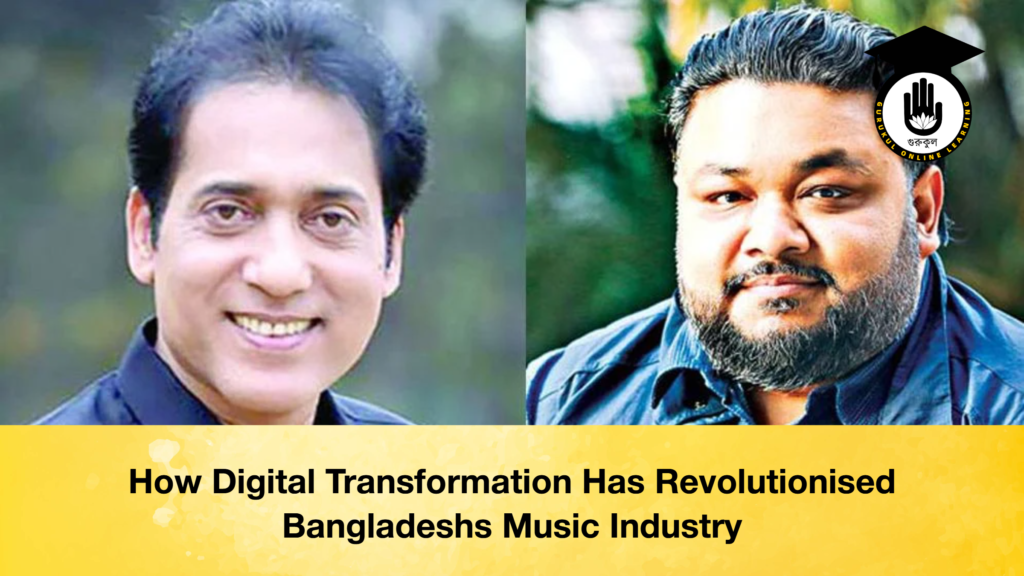
Renowned music director Fuad Almuqtadir highlighted this global reach during a recent industry discourse: “Music is no longer confined within the four walls of a studio. Global royalty collection networks now allow artists to generate revenue across international borders. Music producers are even earning through beat stores and digital sample libraries.”
Stream counts, however, do not automatically guarantee direct payouts to creators. Final remuneration depends heavily on copyright ownership, distribution contracts, and royalty-split agreements between artists and aggregators.
The Short-Video Phenomenon and Viral Hooks
The latest structural shift stems from short-form video platforms. The traditional focus on a full three- or four-minute composition has yielded to the power of a catchy 15- to 30-second audio snippet. A single viral hook on Facebook Reels, Instagram, or TikTok can trigger thousands of user-generated videos, which in turn drives traffic back to full tracks on YouTube and streaming services. Songs are no longer merely audio products; they serve as creative raw material for video creators.
Dhruba Guha, singer and owner of Dhruba Music Station (DMS), one of the nation’s leading music production labels, noted the commercial value of short-form content: “The integration of songs into Reels and background music creates brand-new revenue streams for artists. When a track is featured across thousands of short videos, listener engagement and streaming numbers rise. Through proper licensing and royalty mechanisms, lyricists, composers, performers, and copyright owners gain opportunities to monetise that usage, building long-term financial returns alongside popularity.”
This reality influences song production itself. Producers increasingly consider which vocal line can be easily quoted, which melody fits short clips, or which rhythm suits trending dances before finalizing a arrangement.
Intellectual Property and the Royalty Deficit
Despite rising digital engagement, royalty distribution remains a significant hurdle. The Bangladesh Copyright Act 2023 explicitly protects music compositions and sound recordings, setting out statutory provisions to collect royalties across streaming, subscription, and download channels. Yet translating legal statutes into reliable payouts for creators remains complex.
At a seminar organized by the Bangladesh Copyright Office titled Intellectual Property Rights in Music: Streaming and Royalty, experts addressed the technical difficulties of collecting digital earnings. Popular musical artist Kazi Shuvo observed that while a track might be played millions of times across YouTube, Facebook, Shorts, Reels, and streaming apps, the infrastructure to track every instance, calculate exact earnings, and disburse revenues to the original creators requires substantial strengthening.
The music business has evolved from selling albums in the cassette era, to selling physical copies on CD, capturing ad revenue on YouTube, and monetising streams and short video hooks today. Ultimately, the evolution of Bangladesh’s music economy is less about changing sound and more about who owns the rights, where a track is played, and how revenues are distributed back to its creators.