Bangladesh Showcases Electronic Music Through Innovative Cultural Event
খবরওয়ালা ডেস্ক
প্রকাশ: ২৯ই জুন ২০২৬, ৬:৩২ পিএম
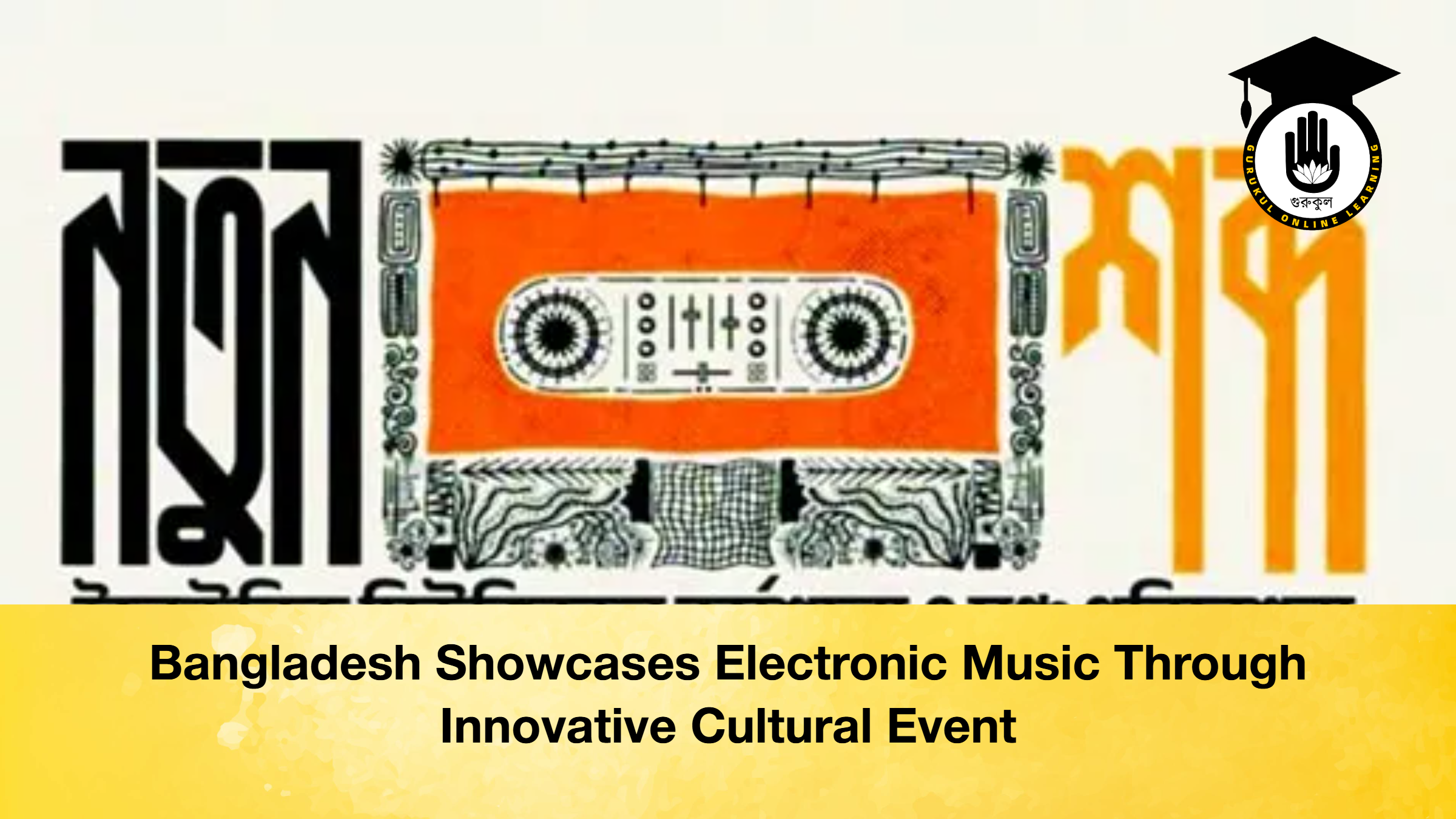
The Bangladesh Shilpakala Academy has organised a day-long event titled New Sounds: Electronic Music Workshop and Live Performance, bringing together technology, contemporary urban culture and creative musical expression under one platform. Held on Saturday at the National Music and Dance Centre Auditorium in Dhaka, the programme attracted aspiring musicians, sound artists and music enthusiasts eager to explore the rapidly evolving world of electronic music.
According to a press release issued by the Academy, the event began at 11:00 a.m. with an intensive workshop that continued until 6:00 p.m. Designed as a practical learning experience, the session introduced participants to the fundamentals of electronic music production through hands-on demonstrations and guided exercises. Attendees were familiarised with key concepts including sound design, beat creation, live performance preparation and the basic operation of widely used music production software and hardware.
The workshop was conducted by Shadwan Chowdhury, Nazmus Sakib and Hasib Mahmud, who shared both technical knowledge and first-hand professional experience. Throughout the sessions, they explored the creative possibilities of electronic music while demonstrating how digital tools can be used to compose, arrange and perform original works. Their presentations also highlighted the growing importance of technology-driven music production in today’s creative industries, offering valuable guidance to newcomers interested in building skills in this increasingly popular field.
Organisers believe electronic music has become one of the defining genres of contemporary global music. Combining digital instruments, computer-based production software and advanced sound processing techniques, the genre has evolved far beyond traditional studio recording. It now plays a prominent role in live performances, multimedia productions, independent music projects and experimental sound art. Across the world, artists continue to push creative boundaries by blending electronic elements with diverse musical traditions, creating fresh sonic experiences for audiences.
The Academy noted that Bangladesh has also witnessed a steady rise in interest in electronic music in recent years. Independent musicians, producers and sound designers are increasingly embracing digital production methods, while experimental live performances and innovative sound installations are gradually becoming more visible within the country’s cultural landscape. Initiatives such as this workshop aim to equip emerging artists with practical knowledge while encouraging creative exploration through modern technology.
The second half of the programme featured a live electronic music showcase from 7:00 p.m. until 9:30 p.m. Contemporary Bangladeshi electronic musicians and sound artists presented a series of performances that demonstrated the artistic range of the genre. Through carefully crafted soundscapes, live digital performance techniques and inventive audio compositions, they introduced audiences to the expressive potential of electronic music. The performances not only entertained those in attendance but also provided a deeper appreciation of the creativity and technical expertise involved in producing modern electronic sound.
The event was jointly organised by the Training Department and the Production Department of the Bangladesh Shilpakala Academy with support from the Ministry of Cultural Affairs of the Government of Bangladesh. Organisers expressed confidence that similar initiatives will continue to strengthen technology-based music education, nurture emerging talent and contribute to the development of a more diverse and innovative contemporary music scene in Bangladesh. As digital creativity becomes increasingly central to artistic practice worldwide, programmes of this nature are expected to play an important role in preparing the country’s next generation of musicians and sound creators.




মন্তব্য