The rapid expansion of artificial intelligence technologies has introduced a growing crisis within the entertainment industry, as unauthorised and often highly realistic synthetic content continues to proliferate online. A rising number of incidents now involve the creation of fabricated audio, images, and videos that mimic well-known artists without their consent, raising serious concerns over identity theft, misinformation, and intellectual property rights.
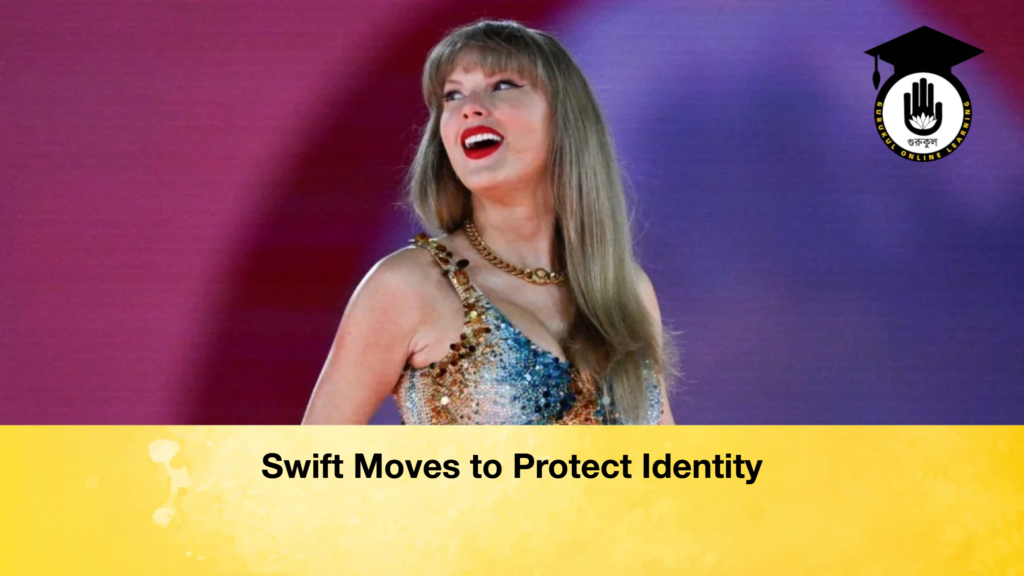
In response to this escalating challenge, internationally renowned American pop artist Taylor Swift has taken significant legal steps to safeguard her personal and creative identity. Her representatives have recently submitted three separate trademark applications to the United States Patent and Trademark Office. These filings are designed to secure legal protection over key aspects of her identity, including her voice, physical likeness, and broader personal branding elements.
The primary objective of these applications is to prevent the unauthorised commercial exploitation of her identity-based assets. By doing so, Swift aims to establish clearer legal boundaries that would restrict third parties from generating or distributing AI-driven content that imitates her voice or appearance without permission.
Experts note that modern generative AI systems have made it increasingly simple to replicate an individual’s voice or construct highly realistic digital representations of their face. This technological capability has already led to widespread circulation of misleading content across social media platforms, often causing confusion among audiences and potential reputational harm to public figures. Swift herself has previously been affected by such incidents, including the circulation of manipulated or misleading content attributed to her name.
Legal specialists suggest that trademark-based protection of this nature could provide artists with a stronger framework to control the use of their identity. In practice, it may function similarly to intellectual property protections used for fictional characters in film and branding, where any commercial use without authorisation is legally restricted.
This approach is not entirely unprecedented. Actor Matthew McConaughey, for example, has previously secured trademark protection for a well-known catchphrase associated with his public persona, setting a precedent for the commercial safeguarding of identity-linked expressions. However, Swift’s case is considered significantly broader in scope, as it extends beyond a single phrase to encompass her voice and physical likeness in their entirety.
Overview of Trademark Applications
| Application Area | Intended Purpose | Scope of Protection |
|---|---|---|
| Voice protection | Prevent voice imitation | Music, advertising, audio-based content |
| Physical likeness | Control use of appearance | Video, imagery, posters, digital media |
| Identity elements | Safeguard overall persona | Promotional and entertainment-related platforms |
Meanwhile, Swift is also reportedly engaged in a separate legal dispute concerning the trademark of a recent music-related project title, which is currently under judicial review. Despite these ongoing proceedings, her latest initiative is widely viewed as a proactive step towards strengthening control over her professional identity in an increasingly AI-driven media landscape.
Analysts suggest that as artificial intelligence continues to evolve, legal frameworks protecting personal identity will become increasingly vital for artists and public figures. Swift’s actions are therefore seen as an early and influential example of how the entertainment industry may adapt to the growing challenges posed by synthetic media technologies.