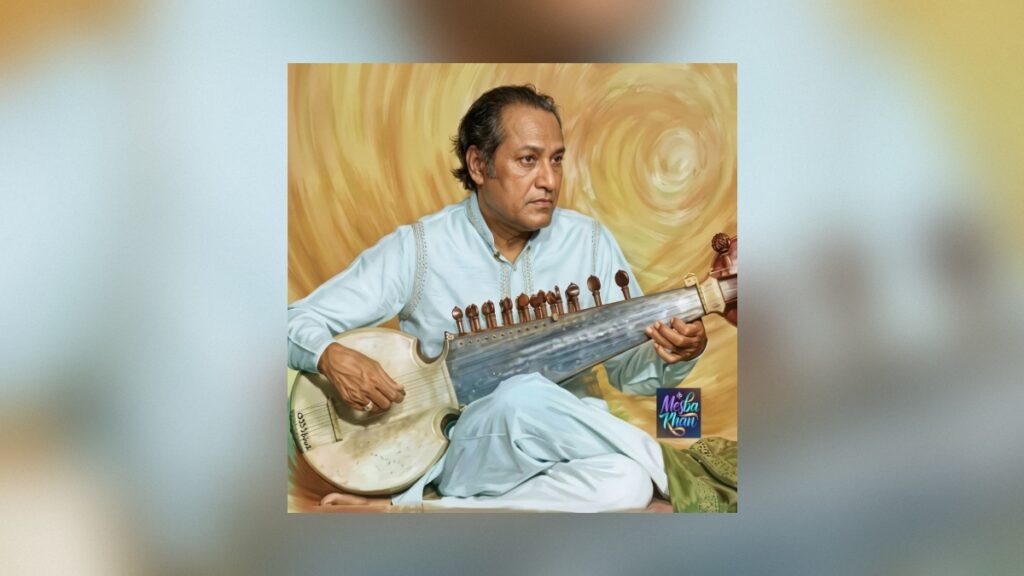

Bangladesh lost one of its most revered musical pioneers on 18 October 2018, yet the haunting riffs of his silver guitar continue to resonate through the hearts of millions. Born on 16 August 1962 in the port city of Chattogram, Ayub Bachchu spent over four decades shaping the sound of modern South Asian music, standing as a monumental figure in the history of Bengali rock culture.
Bachchu’s lifelong devotion to music blossomed during his early youth in Chattogram, where he taught himself the nuances of the electric guitar. His raw talent and stage charisma quickly propelled him into the spotlight as the lead guitarist for the celebrated band Souls. Seeking to pioneer a bolder, more emotionally charged genre of rock, Bachchu departed from Souls to form his legendary group, Love Runs Blind (LRB), in 1991. Serving as the band’s lead singer, main guitarist, lyricist, and music director, he transformed LRB into a household name, popularising blues, hard rock, and emotive guitar improvisations throughout Bangladesh and the wider diaspora.
Bachchu was a multifaceted musician whose work bridged the gap between alternative rock and mainstream pop. He crafted poignant songs that captured the internal struggles, heartbreaks, and silent tears of urban life. Classic compositions such as ‘Sei Tumi’, ‘Cholo Bodle Jai’, ‘Rupali Guitar’, ‘Ghumanto Shohore’, and ‘Hashte Dekho Gaishte Dekho’ became eternal soundtrack pieces for successive generations. Beyond band music, his soulful playback singing for Bangladeshi cinema cemented his status as a national cultural icon.
On 16 October 2018, Bachchu took to the stage for the last time at the Rangpur Zilla School grounds, performing with his characteristic passion. Tragically, just two days later, on 18 October 2018, he suffered a fatal cardiac event at his Dhaka residence at the age of 56. His sudden demise brought the nation to a standstill. In a haunting reflection of his famous lyric—“One day I will leave far away, leaving behind this silver guitar”—the maestro departed, leaving his instrument behind. However, through his vast catalog of recordings, his artistic spirit remains imperishable.