Bangladesh Celebrates Music Icon Ferdousi Rahman’s Birthday
খবরওয়ালা ডেস্ক
প্রকাশ: ২৮ই জুন ২০২৬, ২:১২ পিএম
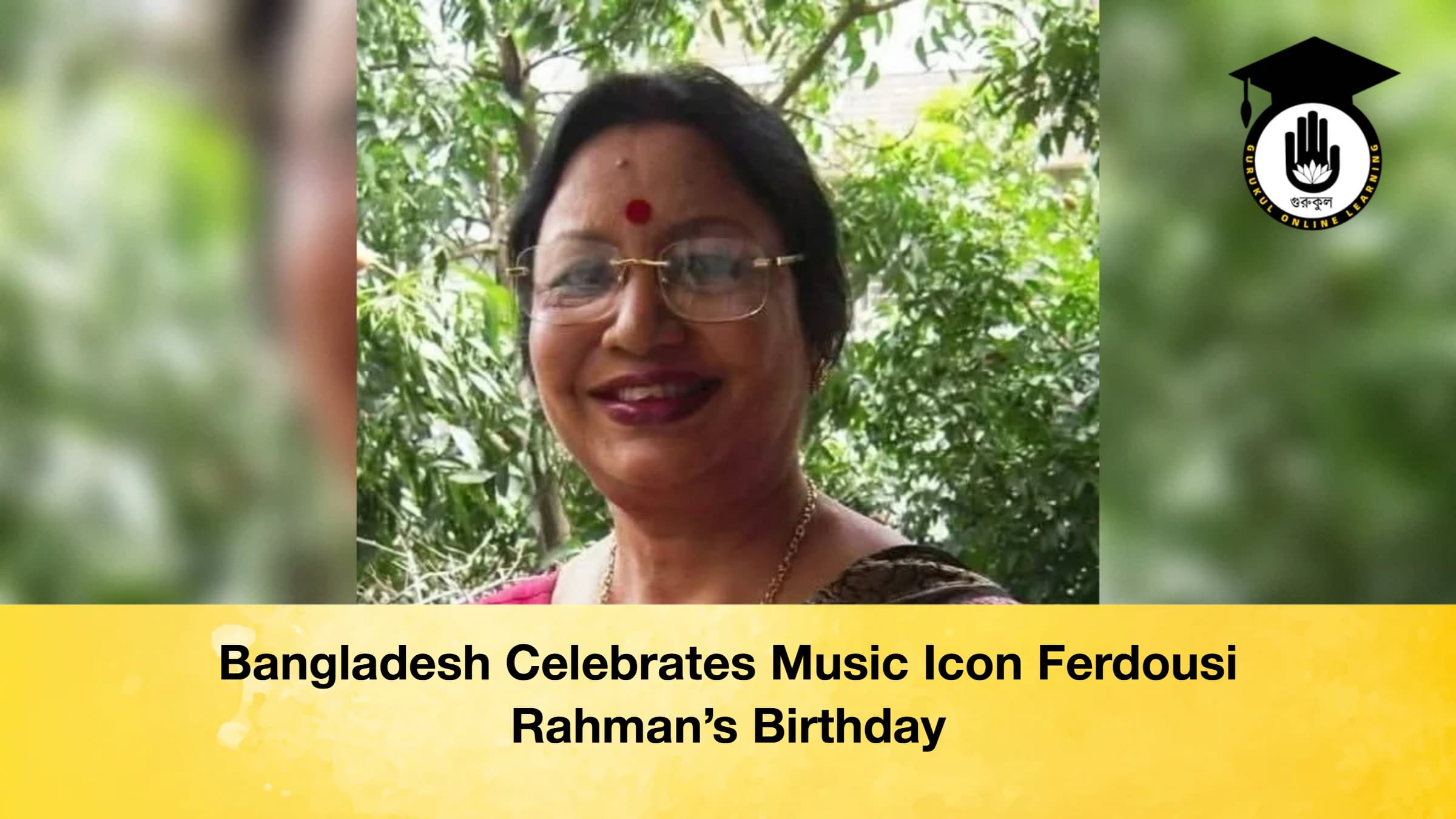
Bangladesh’s cultural community is celebrating the birthday of legendary singer Ferdousi Rahman, one of the country’s most revered musical figures whose remarkable career has spanned nearly seven decades. Widely regarded as a living legend, she has earned the admiration of generations of listeners through her exceptional vocal talent, artistic excellence and unwavering dedication to Bangla music.
Throughout her long and distinguished career, Ferdousi Rahman has enriched Bangladesh’s musical heritage with her graceful performances across a wide range of genres. While musical trends and audiences have evolved over the decades, the appeal of her voice has remained timeless. Her songs continue to evoke the same warmth, nostalgia and emotional connection that first endeared her to the public, making her an enduring presence in the country’s cultural landscape.
Born in Cooch Behar in 1941, Ferdousi Rahman developed an interest in music from an early age. She grew up under the guidance and encouragement of the legendary folk music pioneer Abbas Uddin Ahmed, whose influence played a significant role in shaping her artistic journey. Although she began performing as a child artist at various cultural events, her formal musical career commenced in 1955 when she sang for an adult programme on Radio Pakistan.
Her professional career gathered momentum in the years that followed. In 1957, HMV released her first gramophone record, introducing her voice to a wider audience. Two years later, she made her playback singing debut in the 1959 film Ei Desh Tomar Amar, directed by Ehtesham. She further strengthened her reputation with her performance in the 1960 film Asia, establishing herself as one of the leading voices of Bangla cinema and modern music.
One of the most significant milestones in Bangladesh’s broadcasting history is closely associated with Ferdousi Rahman. On 25 December 1964, when the then East Pakistan Television—today’s Bangladesh Television—began its official transmission, it was her song that inaugurated the broadcast. The moment remains a landmark in the country’s media and cultural history and highlights the prominent place she occupied in the performing arts during that era.
Her contribution extends well beyond performance. Ferdousi Rahman has also played a vital role in nurturing young musical talent. Her children’s music education programme, Esho Gan Shikhi (“Come, Learn Music”), was broadcast on Bangladesh Television for approximately 44 years, making it one of the country’s longest-running and most influential educational music programmes. For countless aspiring singers, the programme served as their first introduction to formal music education and inspired many to pursue careers in the field.
In recognition of her outstanding achievements, Ferdousi Rahman has received numerous prestigious honours at home and abroad. Among the most notable are the Lahore Film Journalists’ Award in 1963, the President’s Pride of Performance Award in 1965, the Ekushey Padak in 1977, and Bangladesh’s highest civilian honour, the Independence Award, in 1995. These accolades reflect not only her artistic brilliance but also her lasting contribution to the nation’s cultural identity.
Today, Ferdousi Rahman is recognised not simply as an accomplished singer but as a symbol of Bangladesh’s rich musical tradition and cultural heritage. Her lifelong commitment to music, combined with her role in mentoring future generations of artists, has secured her a unique place in the country’s history.
As admirers, fellow musicians and cultural organisations mark her birthday, warm wishes continue to pour in for her good health, longevity and continued wellbeing. Her extraordinary legacy remains an inspiration to artists and audiences alike, and her voice continues to resonate across generations, preserving the timeless beauty of Bangla music.


মন্তব্য