In 2022, Rosalía released Motomami, an album that would go on to redefine the boundaries of modern pop music. Blending genres, nationalities, and timelines in a way that had never been done before, Motomami was a bold, shape-shifting record that elevated Rosalía from a flamenco prodigy to one of pop’s most daring and innovative voices.
But before we dive into the magic of Motomami, let’s take a look back at how Rosalía came to this groundbreaking moment in her career. After the massive success of El mal querer (2018), Rosalía faced the challenge of following up her critically acclaimed, avant-garde album. Would she stick with the flamenco-pop fusion that had made her famous, or would she reinvent herself once again? The answer was clear: Motomami was going to be unlike anything pop music had ever heard.
Table of Contents
A Record Born Out of Uncertainty
After El mal querer took the world by storm, Rosalía spent nearly two years crafting Motomami, recording the majority of it in Los Angeles. Her journey was marked by moments of self-doubt and writer’s block, which she overcame by reconnecting with Frank Ocean in a New York studio. She also brought in the legendary production duo The Neptunes (Pharrell Williams and Chad Hugo), whose influence can be heard in the album’s sharp, experimental sounds.
The creative process was deeply introspective and personal for Rosalía. She wanted to craft an album that felt completely new, and the result was a work of art that merged everything from flamenco and reggaeton to industrial beats and electronic textures.
A Personal Journey: Sexuality, Feminism, and Transformation
Motomami is a deeply personal album for Rosalía, one that touches on themes like sexuality, feminism, heartbreak, spirituality, and self-discovery. In interviews, she’s described the record as a “self-portrait,” with each track exploring different facets of her identity. The title, Motomami—a hybrid of the words “moto” (motorbike) and “mami” (a colloquial term for a woman)—represents the duality of her personality: the tough, experimental side (moto) and the more tender, vulnerable side (mami).
For Rosalía, Motomami was a way of expressing that she embodies all the complexities of modern womanhood. She sees herself as both the tough “motorbike chick” and the nurturing, more introspective woman. It’s a bold declaration of her multifaceted identity, refusing to be boxed into one singular label.
Inspirations from Flamenco to Frank Ocean
The creative forces behind Motomami are just as diverse as the sounds on the album. Rosalía drew inspiration from a wide array of sources: from Héctor Lavoe, the salsa legend, to the indomitable Patti Smith, and the great classical composer Bach. She also credits influences like Michèle Lamy (fashion icon), Andrei Tarkovsky (filmmaker), and Pedro Almodóvar (director), the latter of whom featured Rosalía in his 2019 film Pain and Glory.
The track La Fama, which featured The Weeknd, is a great example of Rosalía’s ability to blend influences from all over the world. It’s both a celebration of her Spanish roots and a reflection of her love for international pop culture, bridging the gap between Latin sounds and contemporary pop.
A Genre-Blending Masterpiece
The real genius of Motomami lies in how effortlessly Rosalía merges genres from across the globe. The album blends flamenco, reggaeton, industrial, jazz, bachata, champeta (a Colombian Afro-Latin style), and electronic music. It’s a freewheeling journey through sound, as Rosalía jumps from one genre to another without missing a beat.
One of the most daring aspects of Motomami is how it never compromises the catchy, accessible melodies that are essential to pop music. While the album features highly experimental sounds, it remains radio-friendly and infectious. Tracks like Saoko, Candy, and Hentai offer listeners a mix of playful, upbeat sounds, while the melancholic Chicken Teriyaki and La Fama bring a more introspective and emotional side to the project.
The record also taps into Rosalía’s personal connection to Latin music. Growing up dancing salsa and reggaeton with her cousins, she brought a sense of homecoming to these genres, while still creating something new and innovative. At the same time, Motomami integrates Japanese culture and elements from the English-speaking world, creating a truly hybrid aesthetic that represents the global, interconnected nature of the modern music landscape.
The Motomami Legacy: The Influence on Pop Culture
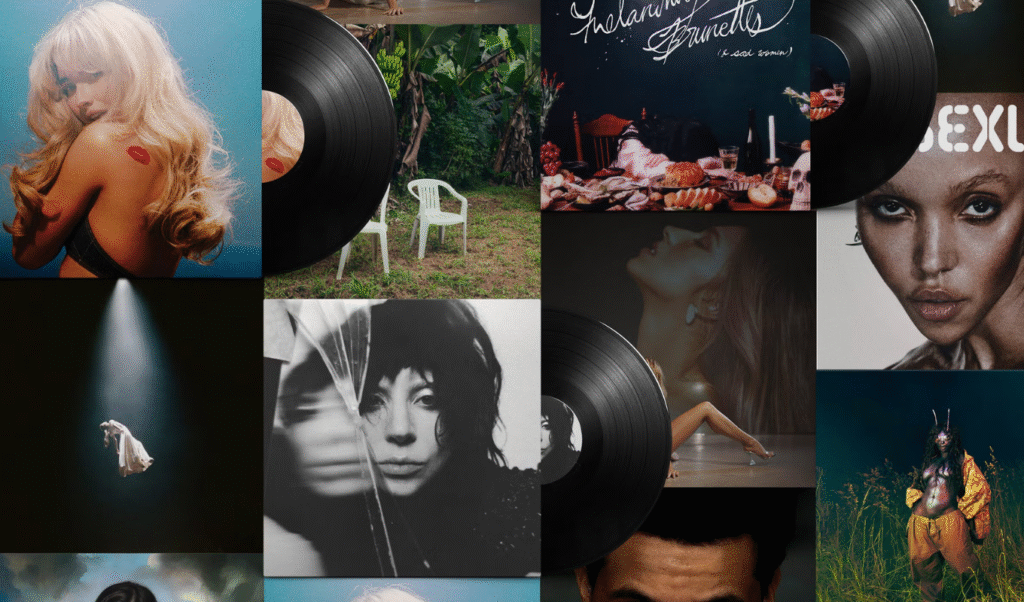
When Motomami dropped in March 2022, it felt like the arrival of something truly revolutionary. Not only did it cement Rosalía as one of the most exciting and original voices in pop, but it also set a new standard for genre fusion and boundary-pushing in mainstream music. Like Charli XCX’s Brat (2024) and Sabrina Carpenter’s Man’s Best Friend (2025), Motomami rewrote the rules of the game, paving the way for a new generation of artists unafraid to blend genres and challenge expectations.
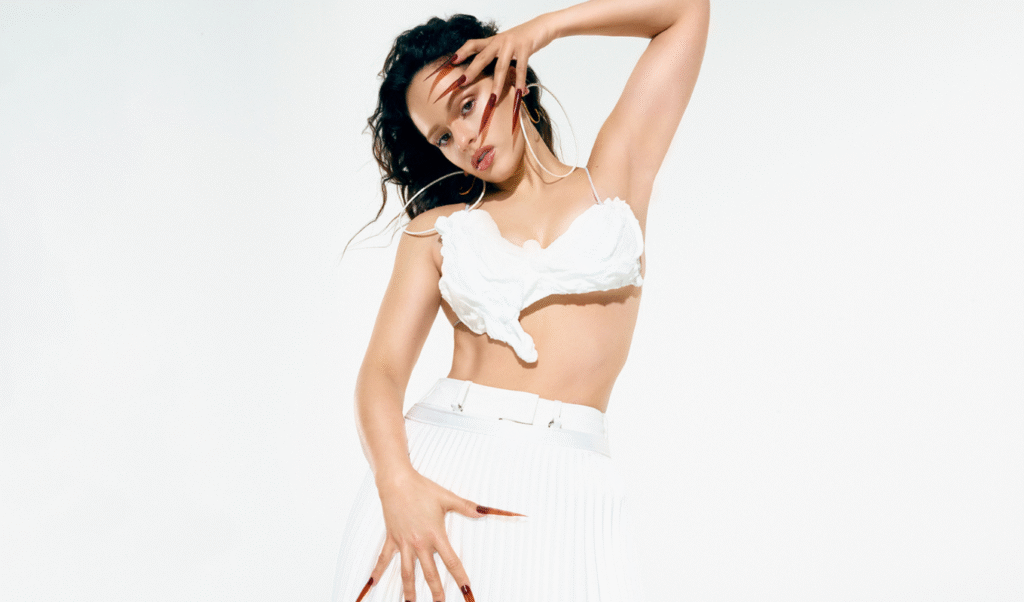
The album’s visual universe was just as daring as its sonic one. From surreal music videos to avant-garde photoshoots, Rosalía embodied the role of the fearless, multifaceted artist. She became an icon, not just for her music, but for her unapologetic expression of self.
On her Motomami World Tour, Rosalía brought this vibrant, experimental energy to the stage, solidifying her place alongside visionary artists like Björk, M.I.A., and Madonna. With Motomami, she proved that pop music didn’t have to be safe—it could be bold, experimental, and most importantly, deeply personal.
Rosalía’s Next Chapter: Lux (2025)
As Motomami continues to shape pop culture, Rosalía is already working on her next project, Lux—a follow-up that promises to dive even deeper into her artistic evolution. Fans are eagerly awaiting her return, knowing that whatever she creates next will continue to push boundaries and redefine the sound of modern pop.
Rosalía has already carved out a unique space in the music world, and with Motomami, she has shown that pop music can be as experimental, diverse, and rich as any other genre. As we await Lux, one thing is certain: Rosalía will continue to surprise us, challenge us, and inspire us for years to come.