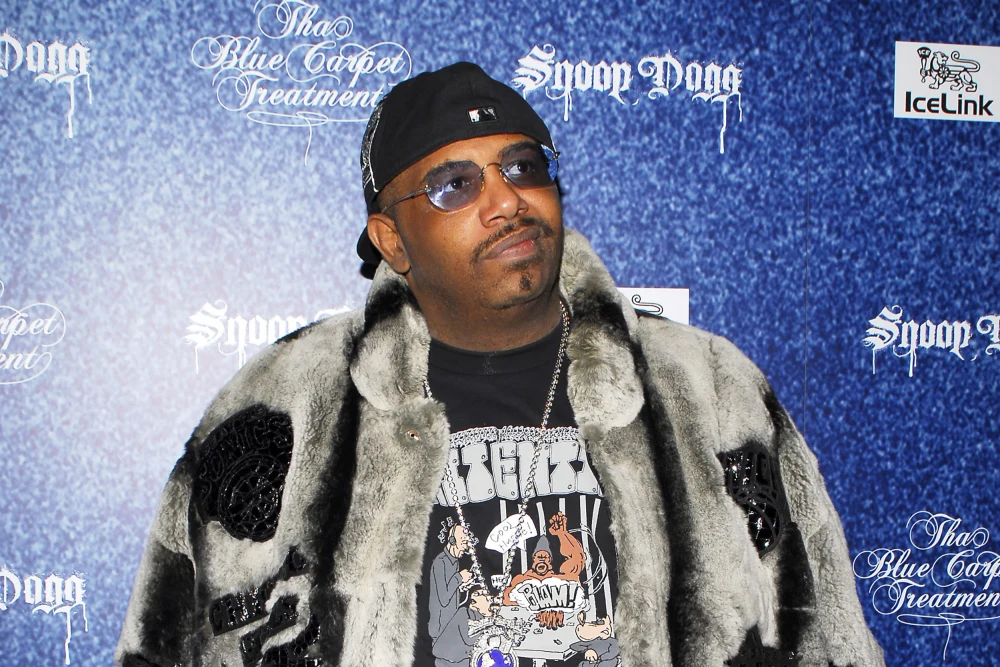
Rapper RBX has filed a federal class action lawsuit against Spotify, accusing the streaming platform of ignoring fraudulent activity that allegedly inflated streams for songs performed by Drake.
The lawsuit, filed in the U.S. District Court for the Central District of California on Sunday, claims that between January 2022 and September 2025, Drake’s tracks benefitted from “billions of fraudulent streams” generated by fake users or bots. The suit alleges that Spotify turned a blind eye to the issue, resulting in financial harm to legitimate artists and other rightsholders whose royalty payments are diluted by the fake streams.
In the suit, RBX states that the more streams Spotify can report, including those from fake users, the more ads the platform can sell, thus increasing its profits and shareholder value. “This mass-scale fraudulent streaming causes massive financial harm to legitimate artists, songwriters, producers and other rightsholders,” the lawsuit asserts.
The legal action does not accuse Drake, whose full name is Aubrey Drake Graham, of any wrongdoing. Representatives for the artist have not yet responded to requests for comment.
Spotify, which compensates artists based on their share of total monthly streams, calculates royalties from a revenue pool. If an artist’s streams are artificially inflated, they could receive a larger payout than they are entitled to, leaving less for other artists.
The lawsuit claims that Spotify failed to prevent bots from inflating streams for Drake, one of the platform’s most-streamed artists, with nearly 81 million monthly listeners. The company has recently introduced measures aimed at combating third-party services that guarantee streams.
While the lawsuit does not specify the amount of damages sought, it estimates that rights holders were defrauded of “hundreds of millions of dollars.”
A Spotify spokesperson responded to the lawsuit, stating: “We cannot comment on pending litigation. However, Spotify in no way benefits from the industry-wide challenge of artificial streaming. We heavily invest in always-improving, best-in-class systems to combat it and safeguard artist payouts with strong protections like removing fake streams, withholding royalties, and charging penalties.”