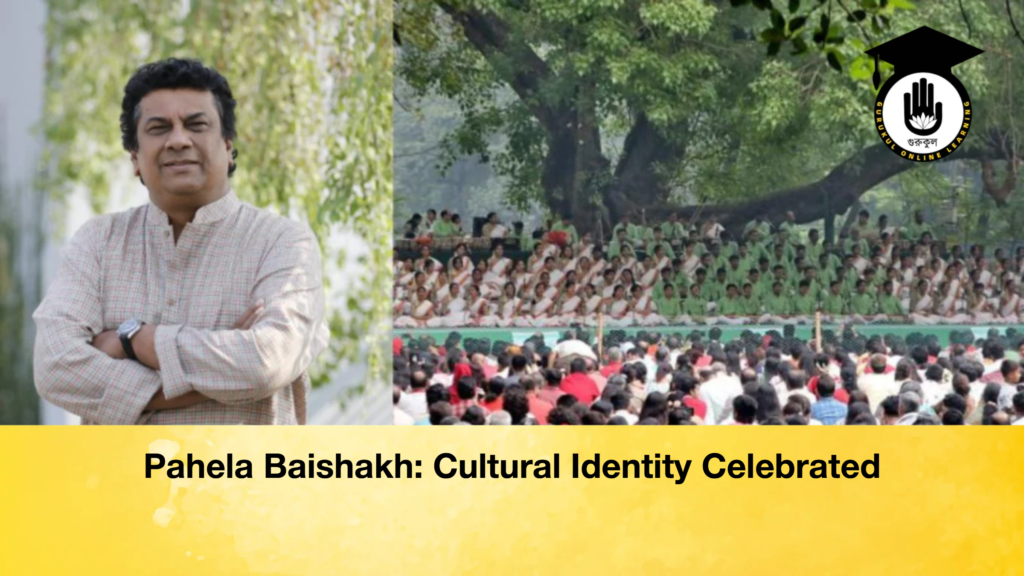
Pahela Baishakh, the first day of the Bengali calendar, is far more than a simple New Year observance; it stands as a profound expression of Bengali cultural identity, heritage, and collective worldview. According to renowned Nazrul Sangeet exponent and Vice-President of Shayanot, Khairul Anam Shakil, the day serves as a quiet yet powerful declaration: “I am Bengali, I have my own culture, and I take pride in that identity.”
For several decades, Shakil has been closely associated with the Pahela Baishakh celebrations organised by Shayanot at the historic Ramna Botomul in Dhaka. Since the mid-1960s, he has taken part almost every year, except during the turbulent period of the Liberation War and a few recent years affected by the global pandemic. In his view, what once began as a modest cultural gathering has now evolved into a vast national congregation, reflecting the collective consciousness of the Bengali people.
The day begins at dawn with the first light of the new year. The celebrations open with classical musical performances based on traditional ragas such as Bhairav, Bhairavi, and Todi. The atmosphere is enriched by the harmonious blend of vocal performances and instruments including the sitar, sarod, and flute, creating a deeply spiritual and meditative ambience. This is followed by renditions of songs by Rabindranath Tagore, Kazi Nazrul Islam, and other eminent composers, carrying messages of humanity, equality, peace, and patriotism.
Shakil observes that Pahela Baishakh has gradually transformed beyond a purely cultural programme into a social and familial gathering. Families from all walks of life come together, reinforcing intergenerational bonds and introducing younger audiences to the richness of Bengali heritage. For Shakil himself, the stage at Ramna has played a formative role in his musical journey—from early group performances to eventual recognition as a solo artist.
The celebrations extend beyond the musical programme, as the traditional Baishakhi Mela forms an integral part of the occasion. The fair showcases indigenous handicrafts, traditional foods such as pithas, and cultural attire, transforming the venue into a vibrant cultural hub. People from diverse religious and social backgrounds participate, highlighting the values of coexistence and communal harmony embedded within Bengali culture.
In contemporary times, Pahela Baishakh has transcended national boundaries. Bengali communities across the world now observe the occasion with equal enthusiasm, demonstrating the global reach of Bengali cultural expression.
Shakil emphasises the importance of nurturing cultural awareness among the younger generation through the combined efforts of families, educational institutions, and society at large. He believes that instilling respect for language and heritage is essential to ensure that future generations remain connected to their roots despite the pressures of globalisation.
A brief overview of the key elements of Pahela Baishakh celebrations is presented below:
| Type of Celebration | Description |
|---|---|
| Dawn musical programme | Inauguration with classical ragas performed in a serene morning setting |
| Traditional songs | Performances of Tagore, Nazrul, and folk compositions |
| Baishakhi Mela | Exhibition of handicrafts, traditional cuisine, and cultural artefacts |
| Family participation | Community gatherings encouraging intergenerational cultural engagement |
| International observance | Celebrations organised by Bengali diaspora worldwide |
Ultimately, in Shakil’s view, Pahela Baishakh is not merely a festival but a symbol of Bengali self-awareness. As he aptly remarks, understanding global culture begins with respecting one’s own. It is this very realisation that underscores a timeless truth: a nation’s strength and continuity lie in its reverence for its own cultural heritage.