On 4 October, a music event in Ghior, Manikganj, ignited nationwide outrage when Baul singer Abul Sarker made derogatory remarks about Islam and Allah. The incident quickly went viral on social media, sparking criticism from religious groups and the general public. Several organisations demanded his immediate arrest and exemplary punishment. Acting on these complaints, the Detective Branch carried out a pre-dawn operation in Madaripur last Thursday and detained him. He has since been placed in jail as legal proceedings continue.
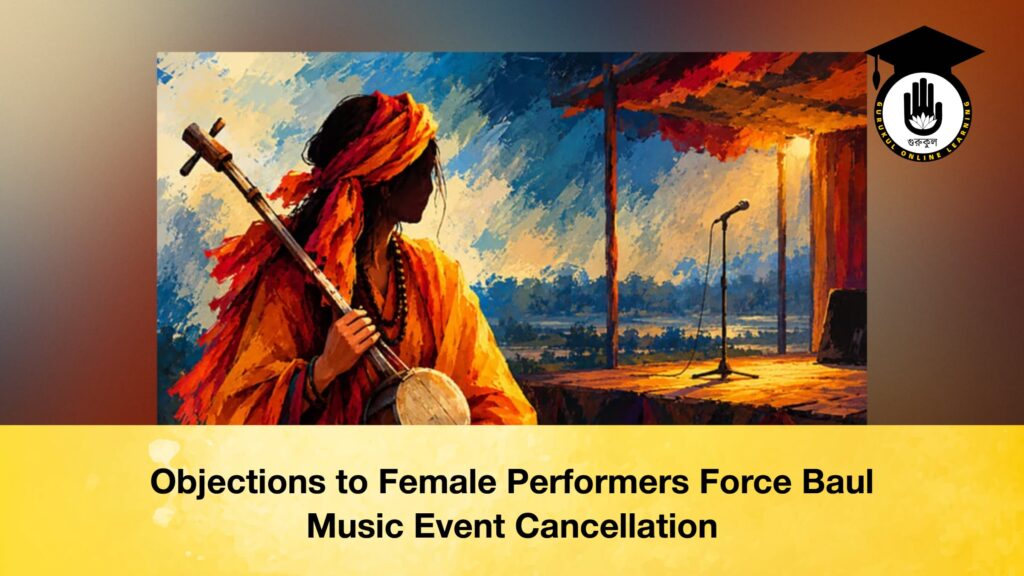
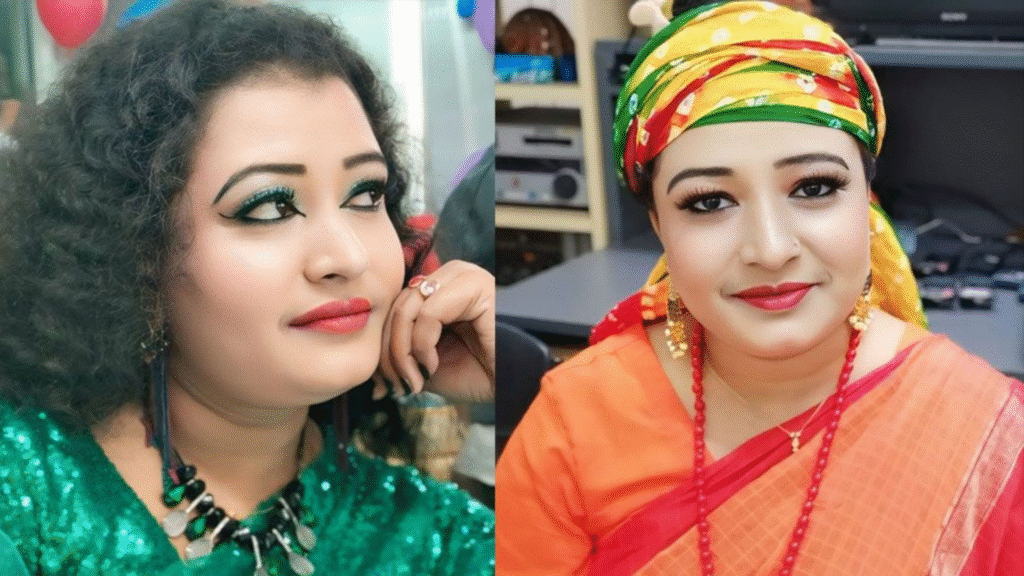
While public anger over Abul Sarker’s comments was still intensifying, the Baul community was struck by yet another controversy. Female Baul artist Hasina Sarker released a video statement alleging that many male Baul performers pressure female singers to meet inappropriate demands in order to secure performance opportunities. According to her, female Bauls are often denied bookings unless they agree to “compromising conditions”.
In the video, Hasina explains: “Whenever I asked for performance opportunities, I was told that I must ‘listen to them’. When I asked what that meant, they insisted it didn’t need to be spelled out. I made it clear that I would not trade my dignity for a stage.”
She further revealed that she herself had been subjected to such propositions, and that the practice is disturbingly common across the Baul community. For safety reasons, she refrained from naming the individuals involved.
Hasina stated, “They say— ‘If you listen to us, we’ll give you shows.’ Meaning, they want women to go to bed with them for bookings. As someone from the Baul tradition, I’m saying openly— the situation has become deeply corrupted. Whether anyone calls me to perform or not no longer matters to me.”
Her revelations have triggered intense debate, with many arguing that the issue extends far beyond Abul Sarker’s controversial remarks. Cultural analysts and activists suggest that the allegations shed light on long-standing gender-based exploitation within certain performance circles, an issue that has often remained hidden under the surface.
This latest controversy has opened up broader questions about ensuring a safe, dignified, and ethical environment for all artists—especially women—within Bangladesh’s folk and cultural traditions.