
The Bangladeshi government has made the controversial decision to remove music and physical education classes from its interim state-run schools. Along with this, positions for teachers in these subjects have also been abolished. This move has raised significant concerns as it comes amid growing influence from hardline religious groups who are reportedly working towards transforming Bangladesh into a more Taliban-like state, reminiscent of Afghanistan’s strict religious regime.
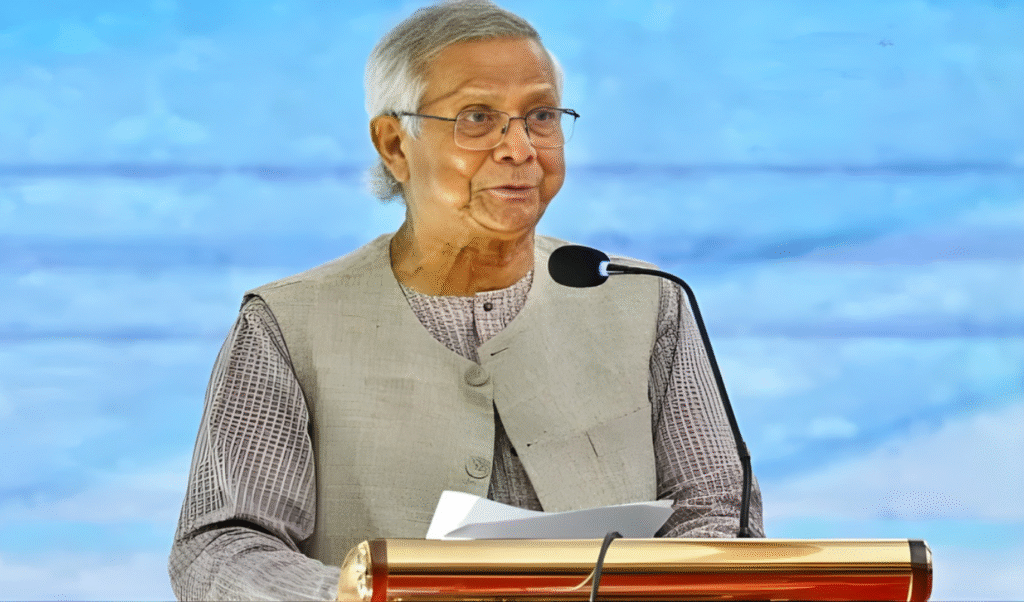
The recent decision by the government under Yunus Sarkar has been attributed to the mounting pressure from Muslim fundamentalists, who have been vocal about their opposition to music and cultural education in schools. Following a series of religiously motivated attacks on non-Muslim places of worship and violent disruptions at Baul music events, these groups have called for the removal of music teachers from educational institutions. Yunus Sarkar, under pressure, appears to have yielded to these demands.
The decision represents a stark reversal from previous policies aimed at promoting religious education alongside cultural subjects. On Monday, the Ministry of Primary and Mass Education announced that music and physical education assistant teacher positions would be eliminated under a revised set of recruitment guidelines.
Masud Akhtar Khan, an official from the Ministry, explained, “The previous regulations issued in August listed four categories of teacher positions, but the amended rules now include two additional categories, omitting music and physical education.” This decision has sparked protests from Islamic organisations, which have been rallying against the inclusion of music and dance in education for several months. They have branded the initiatives as ‘anti-Islamic.’
The Jamaat-e-Islami, Islamic Movement of Bangladesh, Khelafat Majlish, and Hefazat-e-Islam are among the groups that have condemned the teaching of music and dance. In a public rally held in September, Syed Rezaul Karim, the leader of the Islamic Movement of Bangladesh, made strong statements against the hiring of music teachers. He declared, “Do you want to hire music teachers? What will they teach the children? Do you want to make them disrespectful, unruly, and immoral? We will never tolerate this.” He further warned that if their demands were ignored, religious people would take to the streets.
Responding to questions about whether this decision was influenced by pressure from religious groups, Masud Akhtar Khan said, “You can investigate for yourselves.”
This development marks a significant shift in Bangladesh’s educational landscape, where previously, cultural and religious subjects had been integrated into school curriculums. The removal of music and physical education from the classroom may have profound implications for the country’s future education policies, particularly in terms of how cultural and religious education is balanced in the face of growing religious pressure.