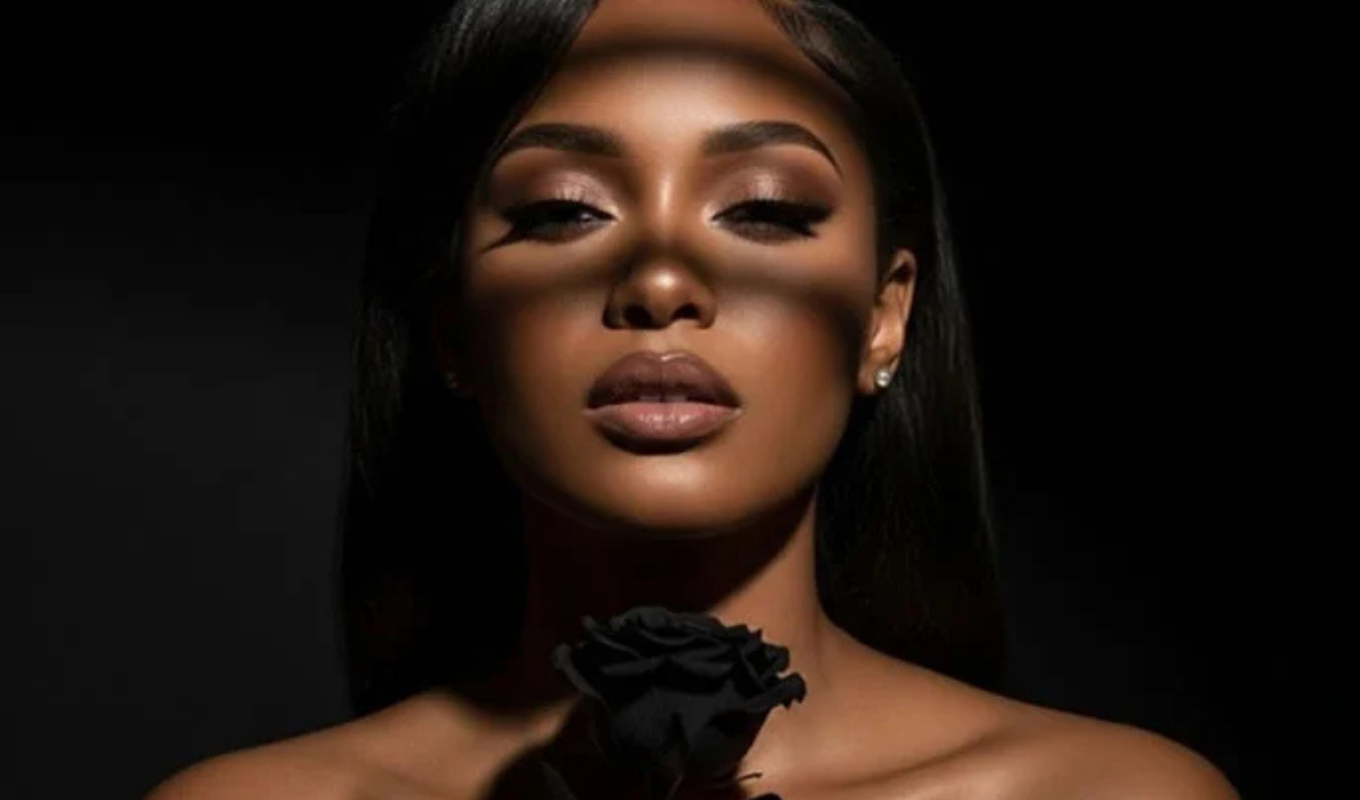
Xania Monet has made history as the first AI-generated artist to feature on a Billboard airplay chart, sparking a new debate over the role of AI in the music industry.
Her track How Was I Supposed to Know? debuted on the Adult R&B Airplay chart at No. 30 on November 1. The song has gained significant attention, especially on TikTok and streaming platforms, and also made its way onto the R&B Digital Song Sales and Hot R&B Songs charts in September.
Xania Monet was created by Mississippi-based poet and songwriter Telisha “Nikki” Jones, who writes the lyrics that Monet sings, with the assistance of the AI platform Suno. Jones has described Monet as an “extension” of herself, blending her passion for music with new technology: “I’m just taking what I love doing and mixing it with tech.”
This success has led to concerns about the potential impact of AI artists on human musicians. Critics are calling for regulation to ensure human talent doesn’t get sidelined in a rapidly evolving industry.
Tristan Douglas, a presenter at Toronto’s Flow 98.7, praised Monet’s sound, describing it as reminiscent of southern R&B artists like Beyoncé and Fantasia. However, he expressed reluctance to play music by an artist who doesn’t physically exist, saying: “Although Monet has numbers elsewhere, it doesn’t feel right for us. Flow’s airwaves are reserved for real artists.”
Douglas also raised concerns about the long-term implications of AI in music, questioning what would happen when AI artists need to perform live. “What’s going to happen when it’s time to go on tour? Are we going to get holograms?”
Since launching online in mid-July, Monet has amassed nearly 770,000 followers across social media platforms, including YouTube, TikTok, and Instagram. In September, she signed a multi-million-pound record deal, although it remains unclear who exactly stands to benefit from the agreement.
Romel Murphy, Monet’s manager, defended the project, emphasising that the purpose of the AI is to enhance Jones’ songwriting. “We used AI as a tool to bring the message to life, but the artistry behind it is all human,” Murphy said.
However, the rise of AI artists has sparked fear among some musicians, who worry that they could be replaced by AI systems capable of producing music more quickly and cheaply. Joey La Neve DeFrancesco from the United Musicians and Allied Workers warned: “This is terrifying for many musicians, especially when we’re already struggling to make a living in the streaming era.”
DeFrancesco stressed the need for clear regulations around AI and digital music, saying that the growing presence of AI artists is just more evidence of the challenges facing human musicians. “AI artists don’t succeed overnight. Major companies pour significant resources into their promotion,” he added.
Legal experts also point out the difficulties in regulating AI in the music industry. Entertainment lawyer Miro Oballa explained that copyright law often lags behind technological advancements: “For the most part, something created entirely by a machine isn’t eligible for copyright protection. There needs to be human input.”
Oballa suggested that while new legislation could be introduced, it wouldn’t be easy to navigate the complexities of AI in the creative industries. “The business case for AI artists comes down to risk management in an unpredictable industry,” he said. “AI artists are seen as a way to ensure consistent creative output, but that could create a rift between the interests of the industry and human artists.”
With the growing presence of AI in music, it’s clear that the conversation about the future of human creativity in the industry is only just beginning.