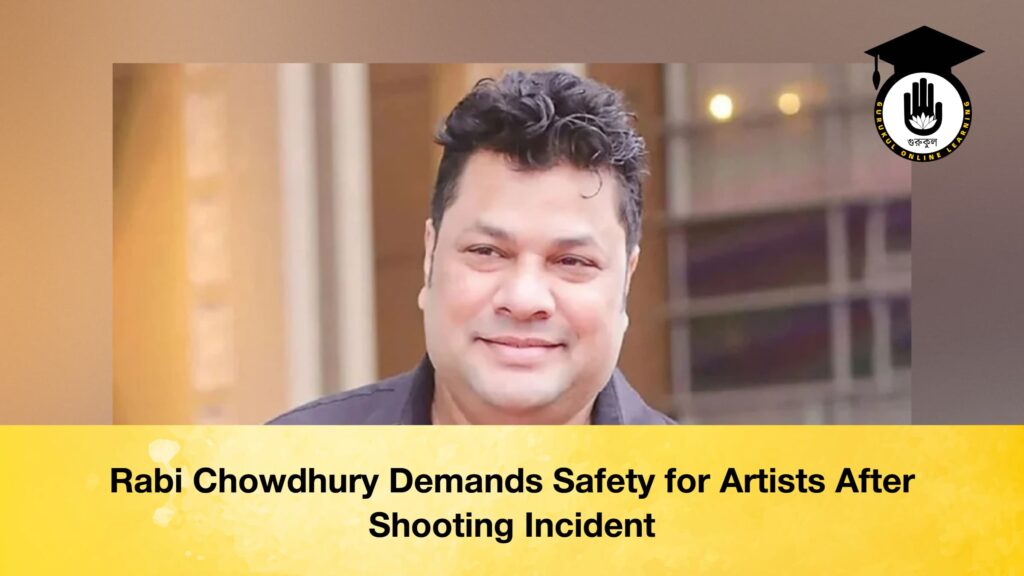
Bangladeshi singer Rabi Chowdhury has expressed deep concern over an incident in which shots were fired at the private car of fellow singer Asif Akbar, calling for stronger protection for artists and a thorough investigation to identify those responsible.
In a statement shared on his Facebook account, Chowdhury condemned the attack and voiced concern about the safety of people working in the music industry. He urged the authorities to establish the circumstances surrounding the incident and bring those involved to justice.
“After waking up, I saw that my brother Asif Akbar’s car had been attacked. We artists dedicate our lives to entertaining people through music; we do not take lives. Are we all safe? I strongly protest and condemn this incident. An investigation should establish who was responsible. We want security for our lives,” Chowdhury wrote in his post.
His comments reflect wider concerns about the personal safety of public figures following the incident. Artists regularly appear at public events, concerts and other gatherings, making security an important consideration. However, the circumstances of the reported shooting remain unclear, and the motive has yet to be established.
Several other celebrities have also reacted to the incident involving Akbar’s vehicle, expressing concern over what happened.
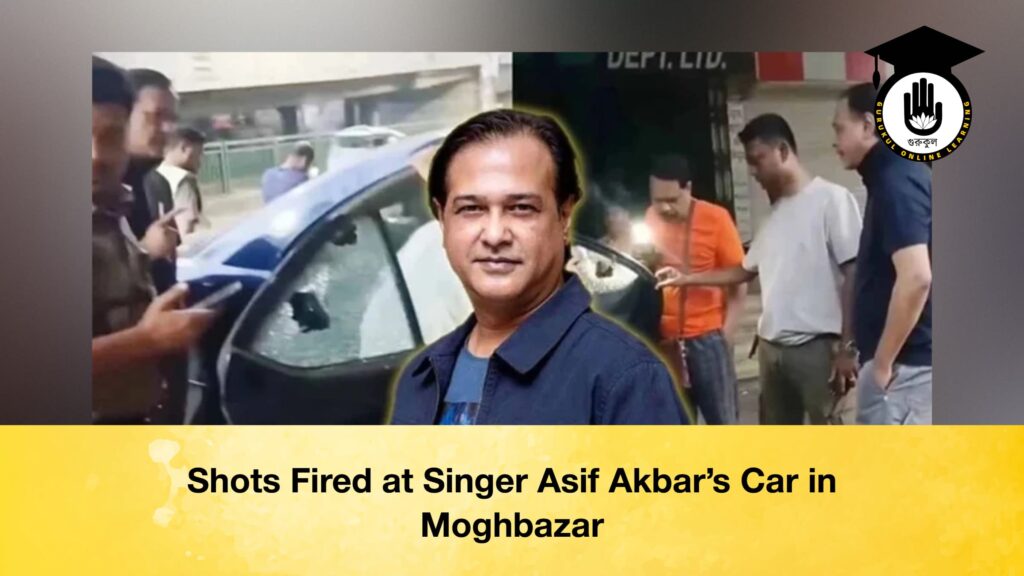
The shooting took place early on Saturday, 24 October, in front of Bishal Centre in Moghbazar, in Bangladesh’s capital, Dhaka. According to the police, Akbar was not inside the vehicle when the shots were fired. He therefore escaped physical injury.
The available information has not established who fired the shots or why the vehicle was targeted. It also remains unclear whether the incident was connected to any personal or professional dispute involving the singer. No confirmed evidence has emerged to establish such a link.
Identifying the motive and those responsible will be central to understanding the incident. A thorough investigation would help establish the sequence of events and determine whether the shooting was directed specifically at Akbar or whether other circumstances were involved.
Chowdhury’s demand for security highlights the importance of ensuring that musicians and other cultural figures can pursue their professional activities without fear of violence. His call for an investigation also underscores the need for the authorities to establish the facts rather than allow speculation to shape public understanding of the case.
For now, key questions surrounding the shooting remain unanswered. The identities of those involved, their possible motives and any connection to Akbar’s personal or professional life have yet to be confirmed.