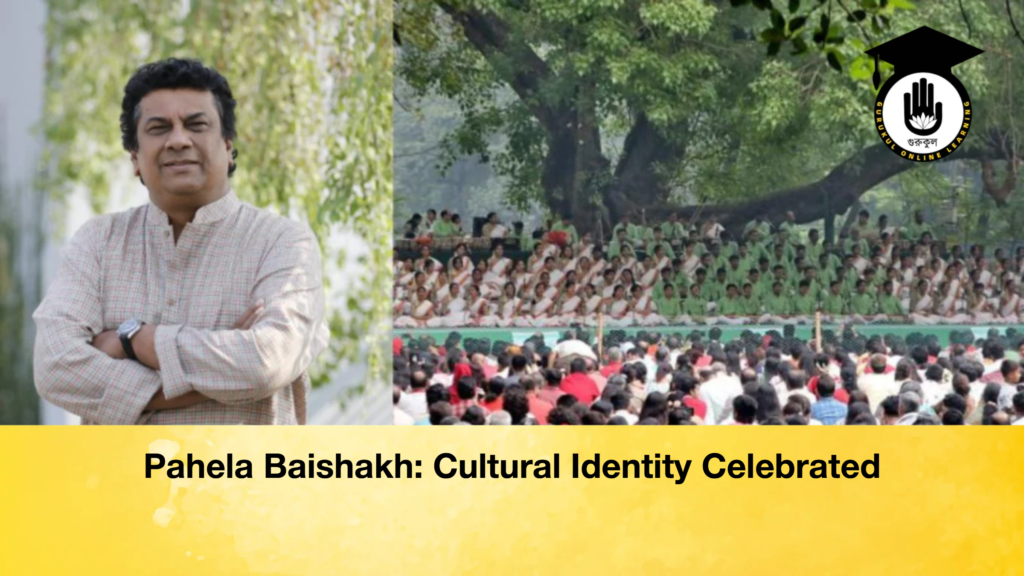
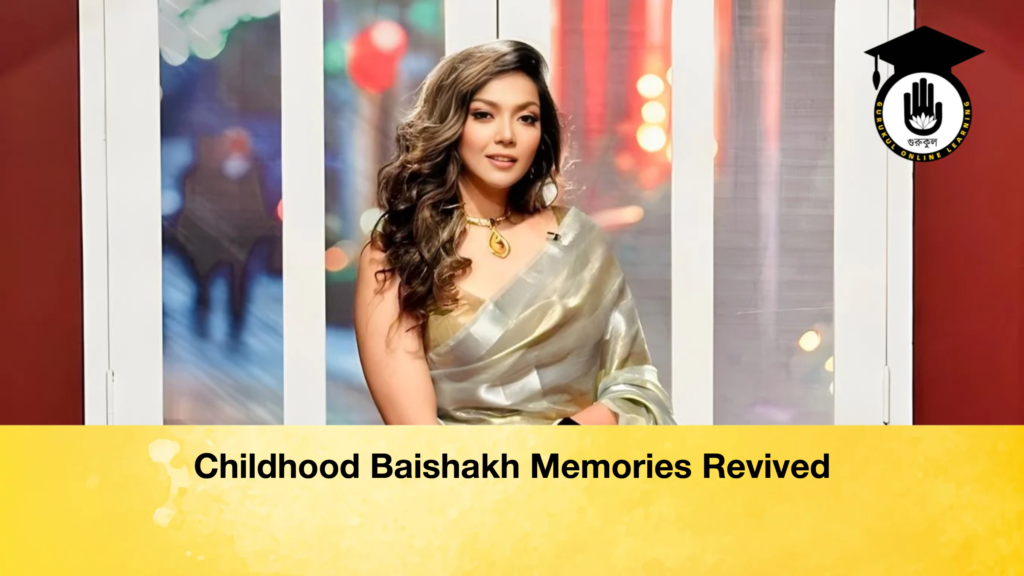
The celebrated vocalist Dola Rahman has recently reflected with deep emotion on her childhood memories of Pahela Baishakh, even amidst a hectic schedule of recording and performing multiple songs for the Eid season. She described the Bengali New Year not merely as a festival, but as an enduring cultural institution that binds family life, artistic practice and collective heritage.
Speaking about her early years, she recalled growing up in an extended joint family where Pahela Baishakh was observed in a warm, domestic atmosphere. Relatives would gather under one roof, turning the occasion into a lively celebration filled with music, dance, poetry recitation and playful activities. Afternoons were often reserved for visits to local fairs, an essential tradition that amplified the festive spirit and created lasting childhood impressions.
From an early age, her family actively encouraged her musical interests. She fondly remembers being urged to sing—often hearing voices from within the household asking her to begin a performance. This constant encouragement played a formative role in shaping her artistic identity. Her brother also developed an inclination towards music, while her mother’s appreciation of Bengali music—ranging from classical to contemporary—significantly enriched her musical sensibilities.
In her professional life today, she admits that the demands of a busy performance schedule no longer allow her to participate fully in traditional Baishakh rituals. Nevertheless, she continues to perform at cultural programmes whenever possible. These stage appearances, she notes, create a uniquely festive environment where audiences dressed in traditional attire engage warmly with music, adding a vibrant dimension to the celebration.
She often performs folk melodies and popular Bengali songs during Baishakh events, which helps her establish an immediate emotional connection with audiences. According to her, such performances evoke nostalgia and collective joy, reinforcing the cultural essence of the festival.
Reflecting on change over time, she contrasted the simplicity of her childhood celebrations with the pace of modern life. Earlier, the day would begin with traditional attire, followed by a breakfast of panta-ilish, puffed rice, yoghurt and sweets, before heading to fairs and community gatherings. While she is no longer able to maintain this routine regularly, she continues to cherish those memories deeply.
Her affection for sweets remains unchanged. She specifically mentioned that her Pahela Baishakh morning feels incomplete without Porabari chamcham, alongside a fondness for rosogolla, both of which add sweetness to the festive experience.
Comparison of Pahela Baishakh Experiences
| Aspect | Childhood Experience | Present Experience |
|---|---|---|
| Celebration style | Joint family gatherings with music, dance and games | Limited participation due to professional commitments |
| Food traditions | Panta-ilish, puffed rice, yoghurt and sweets | Occasional enjoyment of traditional foods |
| Entertainment | Visiting fairs and family gatherings | Stage performances at cultural events |
| Cultural involvement | Family-based musical and artistic activities | Professional musical performances |
| Emotional tone | Simple, joyful and immersive festivities | Nostalgic and memory-driven reflection |
For Dola Rahman, Pahela Baishakh remains far more than a calendar event. It is a living repository of memory, emotion and cultural identity, deeply intertwined with her journey as an artist. She expressed hope that despite her demanding schedule, she will continue to find moments to reconnect with these cherished traditions, further enriching both her personal and artistic life.