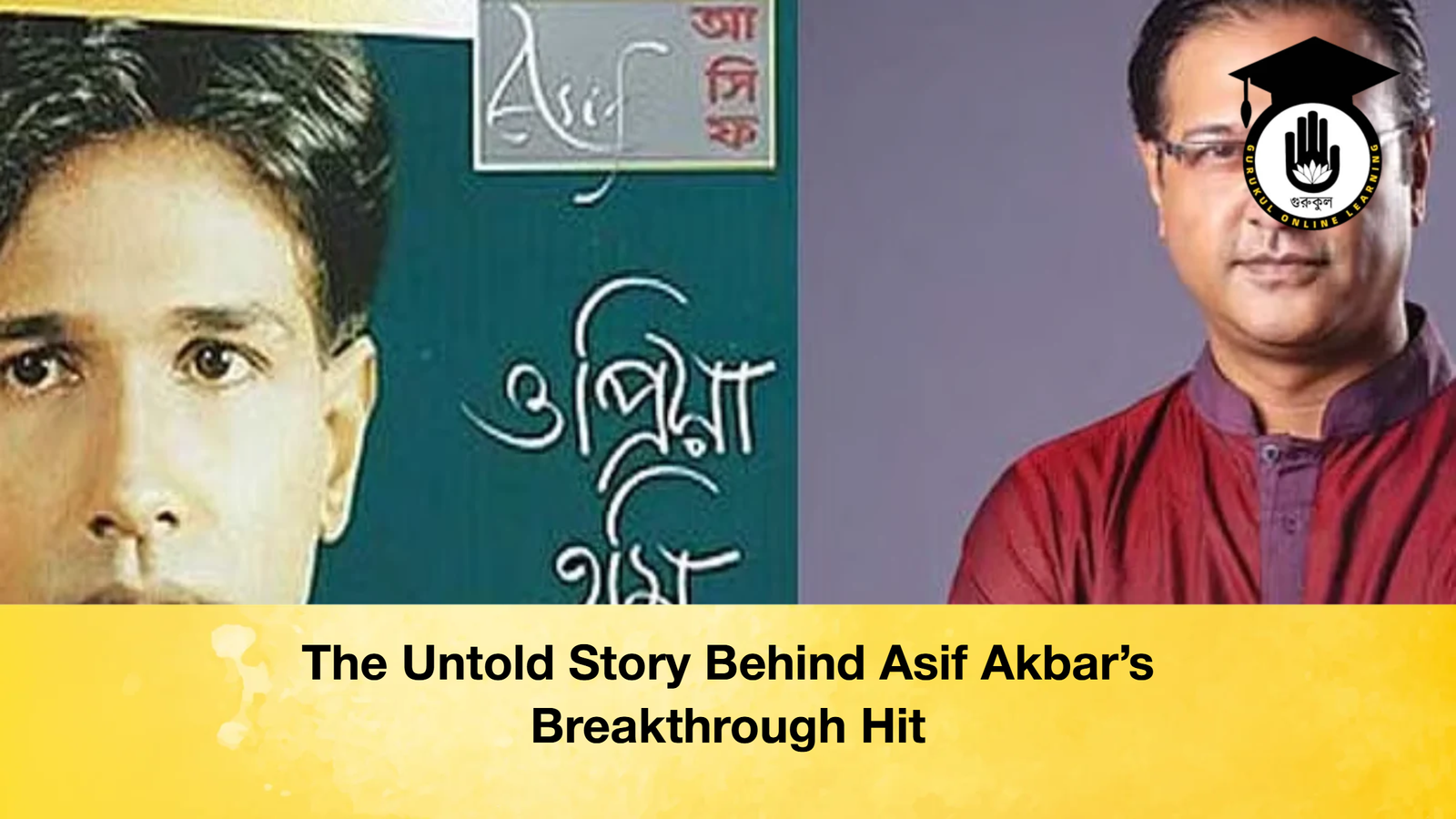
Sometimes, a single song can change everything. For Bangladeshi singer Asif Akbar, that transformative moment came with “O Priya Tumi Kothay”. On 30 January next year, the iconic track will celebrate its 25th anniversary, marking a quarter-century since it first captured the hearts of millions. Even after two decades, it remains a landmark in the history of Bengali music.
The album, released under the Soundtek label on 30 January 2001, featured 12 tracks. Upon release, the songs spread rapidly from local neighbourhoods to the bustling city streets. At the time, Asif was a newcomer, yet this single album catapulted him to stardom. His voice soon became a symbol of youthful emotion, love, and heartbreak. The album broke sales records and its popularity extended beyond Bangladesh, reaching the Bangladeshi diaspora worldwide.
Recently, in an episode of Masranga TV’s ‘Behind the Fame with RRK’, Asif reminisced about the album. He noted that although it was released in January, television broadcasts began only in July. Initial reactions were slow, but once aired, the song’s popularity soared. Reflecting on his journey, he said:
“Nothing in my life has come easily. Storms, floods, poverty, family pressures—I have had to navigate them all. And yet, I have learned to find joy within it all.”
Asif Akbar’s Journey to Success :
| Year/Date | Milestone/Incident |
|---|---|
| 15 October 1997 | Arrived in Dhaka, initially for a sound business venture |
| Early career | Regularly recorded demo vocals at Shawkat Ali Emon’s studio; met music directors Ali Akram Shuvo and Ithun Babu |
| Breakthrough moment | Sang a film song; noticed by Ithun Babu who said, “I am giving you this song; you will never have to look back.” |
| Obstacles | Album release delayed by the label; initially intended for Eid, causing disappointment |
| Promotional efforts | Distributed albums personally in Dhaka, Rajshahi, Rangpur, and other cities; encouraged radio play |
| Personal struggles | Son Rudra fell critically ill; financial support from Ithun Babu provided crucial help to family |
The road to fame was far from smooth. Before the album’s release, a sudden decision by the label to delay it left Asif devastated. He temporarily returned to Comilla but later resumed his efforts in Dhaka, walking the streets from Gulistan to Mirpur, personally handing albums to street vendors and encouraging them to play the tracks. Three months later, the effort bore fruit—the album became a superhit.
Despite personal challenges—including his son Rudra’s serious illness—Asif’s perseverance and support from collaborators like Ithun Babu helped him continue. “O Priya Tumi Kothay” not only changed his career trajectory but also paved the way for over two dozen solo albums over the next two decades. After a temporary rift with Ithun Babu, they reunited five years ago with the album “Chupchap Kosto Gulo”, and plan regular releases in the future.
Today, 25 years on, “O Priya Tumi Kothay” is more than just a song—it is a testament to Asif Akbar’s struggle, faith, and resilience, a story that continues to inspire listeners on the eve of its silver jubilee.