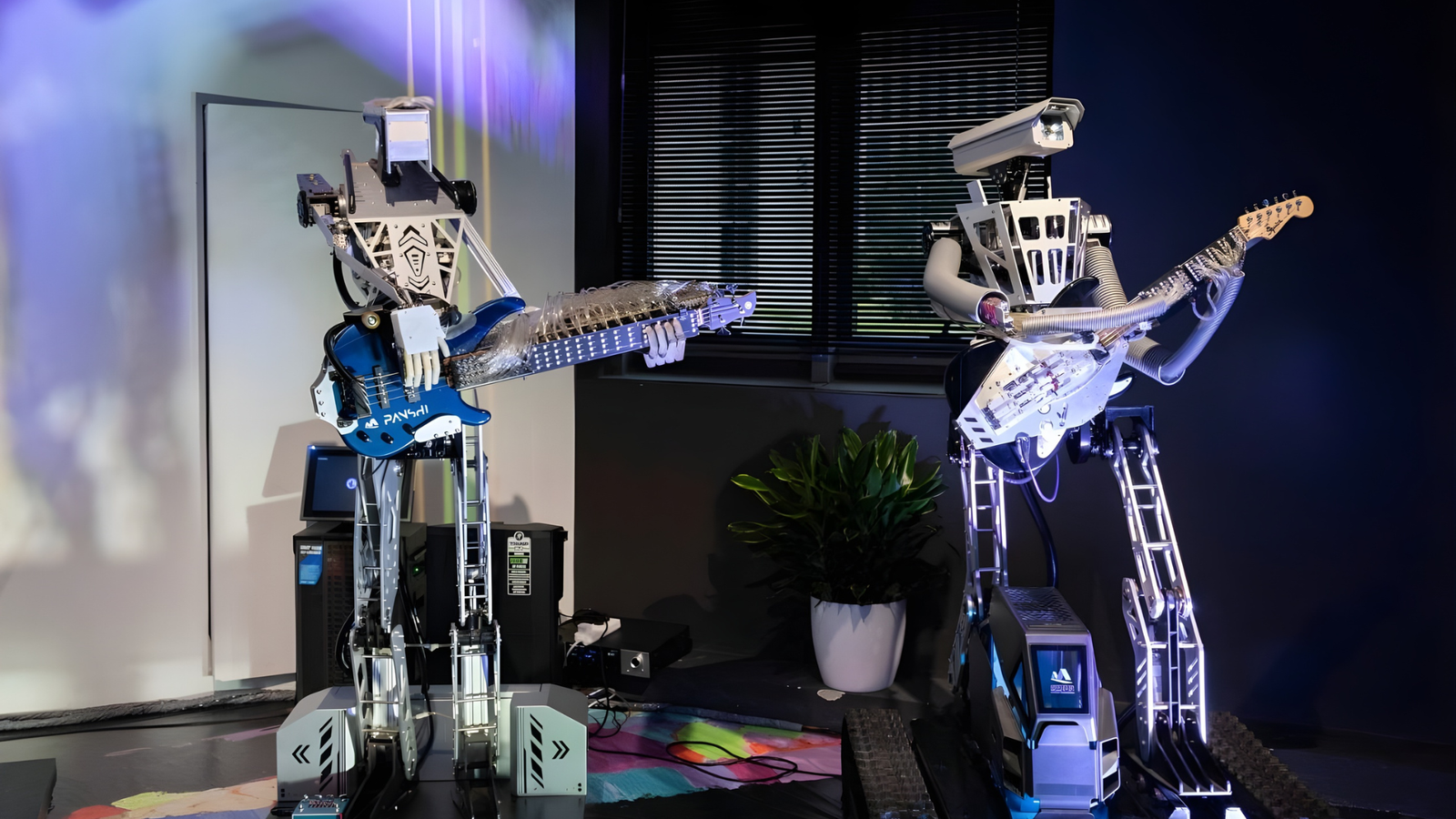
A groundbreaking study has revealed that 97% of people “can’t tell the difference” between human-made music and tracks generated by Artificial Intelligence (AI). The research, conducted by French streaming service Deezer in collaboration with Ipsos, surveyed nearly 9,000 people from across eight countries to determine their ability to identify fully AI-generated music.
The survey asked participants to listen to three different tracks and choose the one they believed was made by AI. Astonishingly, 97% of the respondents were unable to distinguish between the two, with over half (52%) admitting they felt “uncomfortable” by their inability to tell the difference. A further 71% expressed shock at the results.
Despite the unsettling findings, the study also uncovered a growing curiosity about AI music. Over half (55%) of respondents said they were “curious” about AI-generated music, and 66% were open to listening to it, at least once, out of intrigue. However, only 19% felt they could trust AI, with 51% concerned that AI’s growing role in music production could lead to a wave of “low-quality” and “generic” music.
“The survey results clearly show that people care about music and want to know if they’re listening to AI or human-made tracks,” said Alexis Lanternier, CEO of Deezer. He added that there were also concerns about AI’s impact on the livelihood of artists, particularly around the use of copyrighted material in AI models.
In fact, Deezer has already revealed that 28% of the music uploaded to its platform is now fully AI-generated. The rise of AI in music is stirring considerable controversy, with some industry professionals warning that up to a quarter of musicians’ income could be lost to AI technology in the next four years.
The AI debate in the music world has been further ignited by recent actions taken by Spotify. In September, the streaming giant announced it would be removing 75 million “spammy tracks” and cracking down on impersonators using AI to mimic artists. This follows reports of AI-generated songs being uploaded to the profiles of deceased musicians, raising significant concerns around copyright infringement.
AI-generated music isn’t just on the rise – it’s also starting to break records. This year, the AI-generated ‘band’ The Velvet Sundown made headlines after amassing over 400,000 monthly Spotify listeners in under a month. Despite its rapid success, a spokesperson for the band later revealed that the entire operation was a hoax designed to “make a point about the media.”
Meanwhile, the AI artist Xania Monet made history by signing a multimillion-pound record deal and becoming the first AI artist to chart on the US Billboard charts.
In response to AI’s growing influence in the music industry, iconic British artists like Paul McCartney, Kate Bush, and Elton John have called on UK politicians to safeguard the rights of creative workers. These stars are urging for changes to copyright laws to ensure that the rapid rise of AI doesn’t harm the livelihood of artists, with McCartney warning that AI threatens to “dilute and threaten young artists’ earnings.”
The UK government has acknowledged the need for balance, with Prime Minister Keir Starmer emphasizing the importance of protecting creativity while engaging in consultations on copyright law.
As AI continues to revolutionise the music industry, it’s clear that the debate over its impact on artists, creativity, and copyright is far from over.
Key Stats from the Study:
| Statistic | Percentage (%) |
|---|---|
| People unable to distinguish AI music | 97% |
| People who felt “uncomfortable” | 52% |
| People who were “shocked” by results | 71% |
| People curious about AI music | 55% |
| People willing to listen to AI music | 66% |
| People who trust AI music | 19% |
| People concerned about AI quality | 51% |