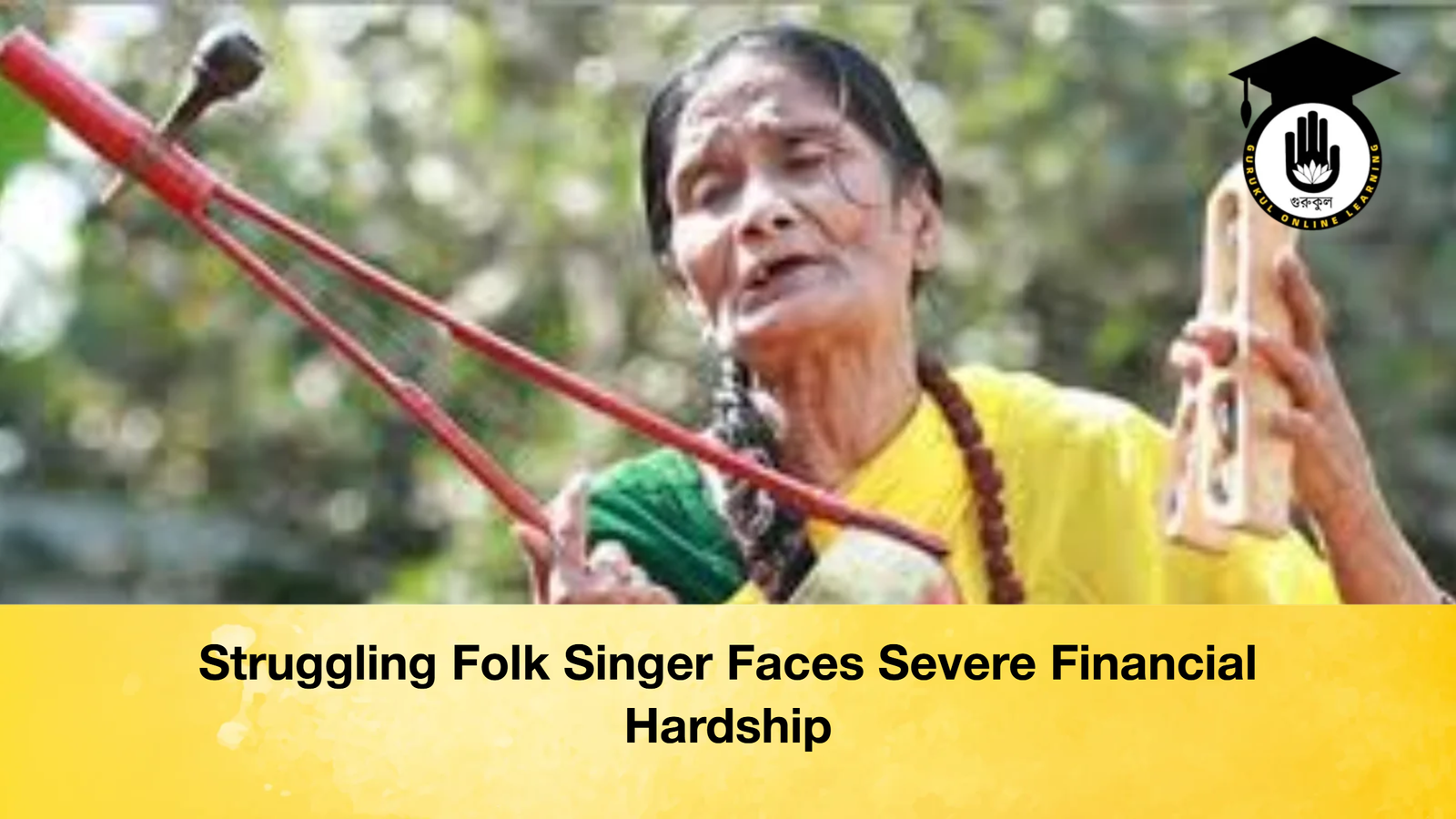
Renowned folk singer Kangalini Sufia is currently battling severe health and financial crises. Once celebrated for her soul-stirring performances, she now suffers from multiple chronic conditions, including high blood pressure, kidney complications, and heart disease. Over the past week, she has experienced intense chest pain, facial swelling, and difficulty speaking. Despite these urgent medical needs, she lacks the funds for treatment, and with Eid just days away, her household remains without basic provisions.
“Four months’ rent is overdue. I don’t have money for food or medicines,” Sufia told reporters, her voice frail but determined.
For years, her household has been surviving on borrowed money. To settle past debts, she sold her property in Purba Jamsing, Savar, leaving her family to live in a rented house in Uttar Jamsing under extremely precarious conditions.
Table of Contents
Reduced Allowances
The government provides annual stipends to underprivileged artists. Sufia once received BDT 42,000 per year, but last year her allowance was drastically reduced to BDT 12,000, according to her only daughter, Pushpa Begum. Pushpa often accompanies her mother during performances, playing the mandira, a traditional percussion instrument.
Additionally, Sufia previously received a monthly BDT 10,000 from the Prime Minister’s office to cover medicine and household expenses. However, this support was halted during the interim government, compounding her financial woes.
| Financial Support Source | Previous Amount | Current Amount | Remarks |
|---|---|---|---|
| Cultural Stipend | BDT 42,000/year | BDT 12,000/year | Reduced from 2022 onwards |
| Prime Minister’s Allowance | BDT 10,000/month | BDT 0 | Suspended during interim government |
“The reduction has made life even harder. We cannot borrow from anyone now, and the small amounts we used to receive barely covered groceries and pharmacy bills,” Pushpa explained.
The Deputy Secretary of the Cultural Ministry’s Artists’ Grant Division, Rani Roy, noted, “I am new to this office and still learning the specifics. Allowances for disadvantaged artists are not fixed and are decided by committee meetings.”
Lack of Work
Beyond stipends, Sufia’s income depended on live performances and television appearances. Over the past year, performance opportunities have dwindled nationwide. Despite invitations from Bangladesh Television and private channels, she has had no bookings in the last five months. Pushpa said, “Previously, we had monthly shows on BTV. Now, we have nothing. Without these earnings, we are in dire straits.”
Urgent Medical Needs
Sufia requires medicines costing BDT 8,000–10,000 per month, along with a nutritious diet including milk and eggs, as recommended by her doctors. Pushpa described their struggle: “We are worse off than beggars. Sometimes we eat one meal, other times none. Even buying essentials on borrowed money causes stress. Nobody notices that she is slowly dying of hunger.”
Loss of Assets
Since 2020, Sufia has been paying off medical debt of BDT 1.5 million. To settle this, she sold her last remaining property in Savar and purchased a 3% plot in Uttar Jamsing. However, she cannot afford to build a house and continues to rent, with fears that this plot may also have to be sold.
Despite these hardships, Sufia refuses to ask for charity. “I can still sing. I do not want handouts. Just let me perform,” she said.
Artistic Legacy
Born Tunny Haldar in Ramdia, Baliakandi, Rajbari, Sufia first gained attention at 14 by performing at local events. She trained under mentors Gaur Mahanta, Deben Khapa, and Halim Boyati, and has won 30 national and 10 international awards. Her popular songs include:
Konba Pathe Nitaiganj Jai
Buri Hoilam Tor Karone
Narir Kache Keu Jay Na
Amar Bhati Ganger Naia
Sufia’s plight underscores the precarious existence of many traditional artists who, despite decades of contribution to Bangladesh’s cultural heritage, face neglect in times of illness and financial need.