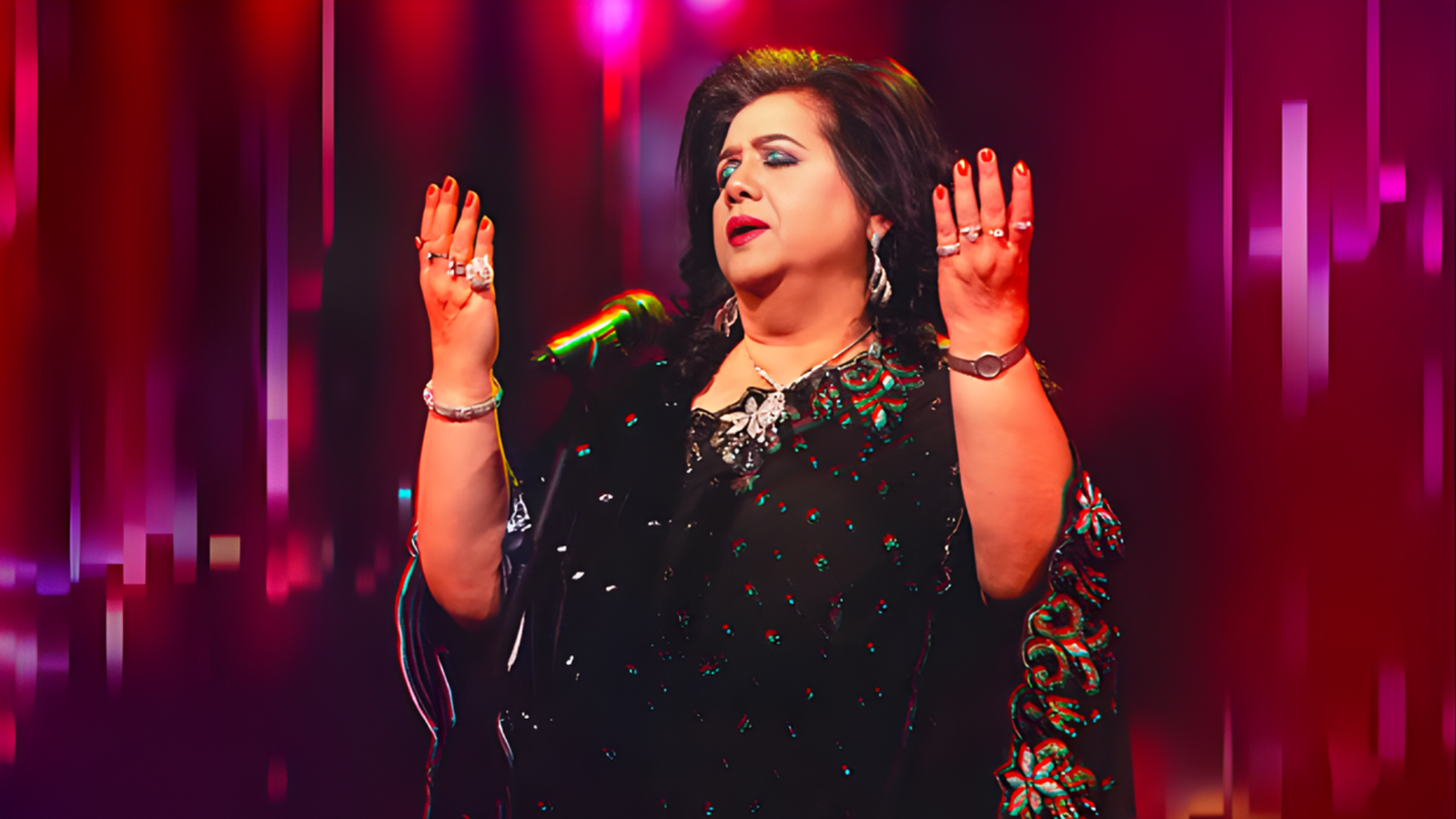
Runa Laila’s ‘Mast Kalandar’ is taking the nation by storm. Released by Coke Studio Bangla, this new song has amassed over 1.5 million views within just three days of its release. Arriving on the occasion of Runa Laila’s birthday, the song has been described as a musical treat for her fans. Let’s dive into the spiritual and historical background of this iconic track.
Table of Contents
The Spiritual and Historical Significance
‘Mast Kalandar’ is a Sufi song that has garnered immense popularity in regions such as Punjab, Sindh in Pakistan, and Iran. The song is dedicated to the revered Sufi saint Lal Shahbaz Qalandar, known for his spiritual wisdom. The song’s lyrics express fervent devotion and spiritual ecstasy, while its melodies are a reflection of Sufi mysticism and deep spiritual connection.
Why Lal Shahbaz Qalandar?
Lal Shahbaz Qalandar was a Sufi saint who lived in Sehwān Sharif, Sindh, Pakistan. Known for his profound teachings, he became a symbol of spiritual unity across both Muslim and Hindu communities. The name ‘Lal’ refers to his association with the color red, symbolizing his spiritual vibrancy, and his devotion to love, faith, and spiritual enlightenment. Hindus fondly referred to him as ‘Jhulelal’, believing him to be the reincarnation of the sea god, protecting sailors and water travellers.
The Song’s Historical Evolution
‘Dama Dama Mast Kalandar’ is more than just a Sufi song; it is a symbol of cultural unity. Composed in Punjabi, the song’s lyrics celebrate devotion, love, and spiritual ecstasy. Over the years, many artists have lent their voices to the song, but it became most popular through the renditions of Nusrat Fateh Ali Khan, Abida Parveen, and Shazia Khushk. It was initially recorded for the 1956 Pakistani film Jabroo by composer Ashiq Hussain, and later, in 1969, another version was introduced by Nazir Ali.
The Eternal Relevance of the Song
This song is not only a religious hymn but also a message of unity and love across religious divides. It serves as a reminder that music, love, and dance can never be defeated by division. The song remains an enduring symbol of the shared values between Muslims and Hindus in South Asia.