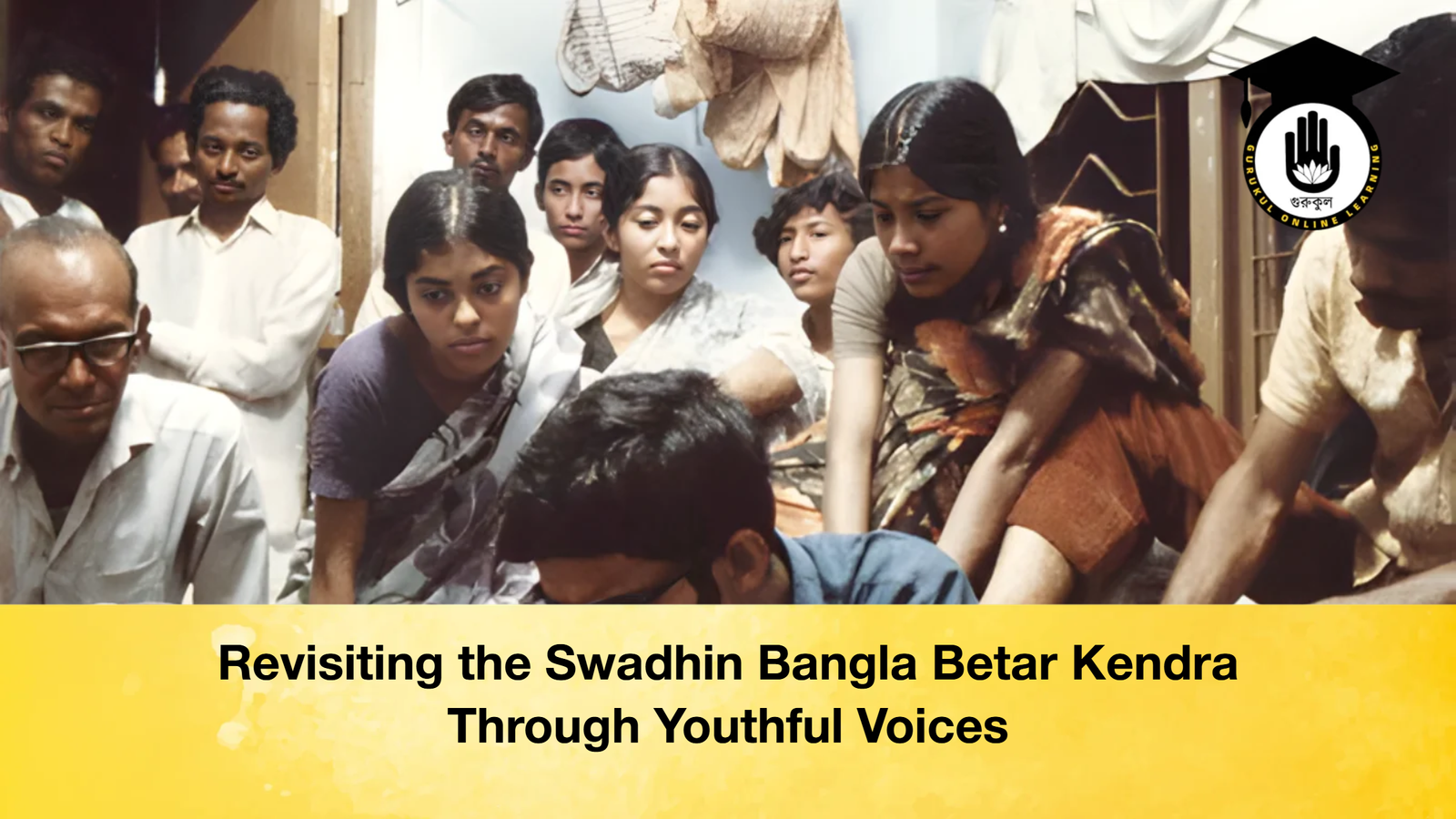
The songs of the Swadhin Bangla Betar Kendra occupy a unique place in Bangladesh’s history. Born amid war, displacement, and uncertainty, they helped define the emotional landscape of the Liberation War. More than fifty years later, these songs are being revived in a nationwide initiative that places young voices at the centre of remembrance.
To commemorate Victory Day, the Ministry of Cultural Affairs has planned coordinated events across all districts. These events aim to demonstrate how music functioned as a tool of resistance and survival during 1971. By engaging young performers, the programme acknowledges that the preservation of historical memory depends on active participation by each new generation.
During the war, radio broadcasts carried these songs into occupied territories and refugee camps alike. They reassured listeners that the struggle was shared and that independence was achievable. For fighters on the front lines, the music provided emotional reinforcement when physical resources were limited.
Each song from the Swadhin Bangla Betar Kendra has its own historical narrative. The creation of “Mora Ekti Phoolke Bachabo Bole Juddho Kori” exemplifies how art and resistance merged during the war. Apple Mahmud’s recollection of receiving Govinda Halder’s lyrics reveals how ordinary individuals produced extraordinary work under extreme pressure.
The song’s message—protecting life even amid destruction—offered a moral compass to a war marked by brutality. Its rapid composition and recording underscore the urgency of the time, when music needed to reach listeners without delay.
Victory Day’s modern celebrations will not only feature performances but also contextual discussions. These sessions will explore how words and melodies shaped political consciousness and strengthened collective identity. Younger audiences will learn that music once substituted for conventional weapons, sustaining morale and unity.
Experts argue that such initiatives are critical in maintaining historical continuity. As living witnesses to the Liberation War gradually fade, cultural expressions like music become primary carriers of memory. Allowing youth to reinterpret these songs ensures that remembrance remains dynamic rather than ceremonial.
By singing these historic anthems, young performers are not merely paying tribute. They are actively participating in the ongoing process of defining what independence means today. Through their voices, the legacy of the Swadhin Bangla Betar Kendra continues to evolve, reminding the nation that freedom was forged as much through culture as through combat.