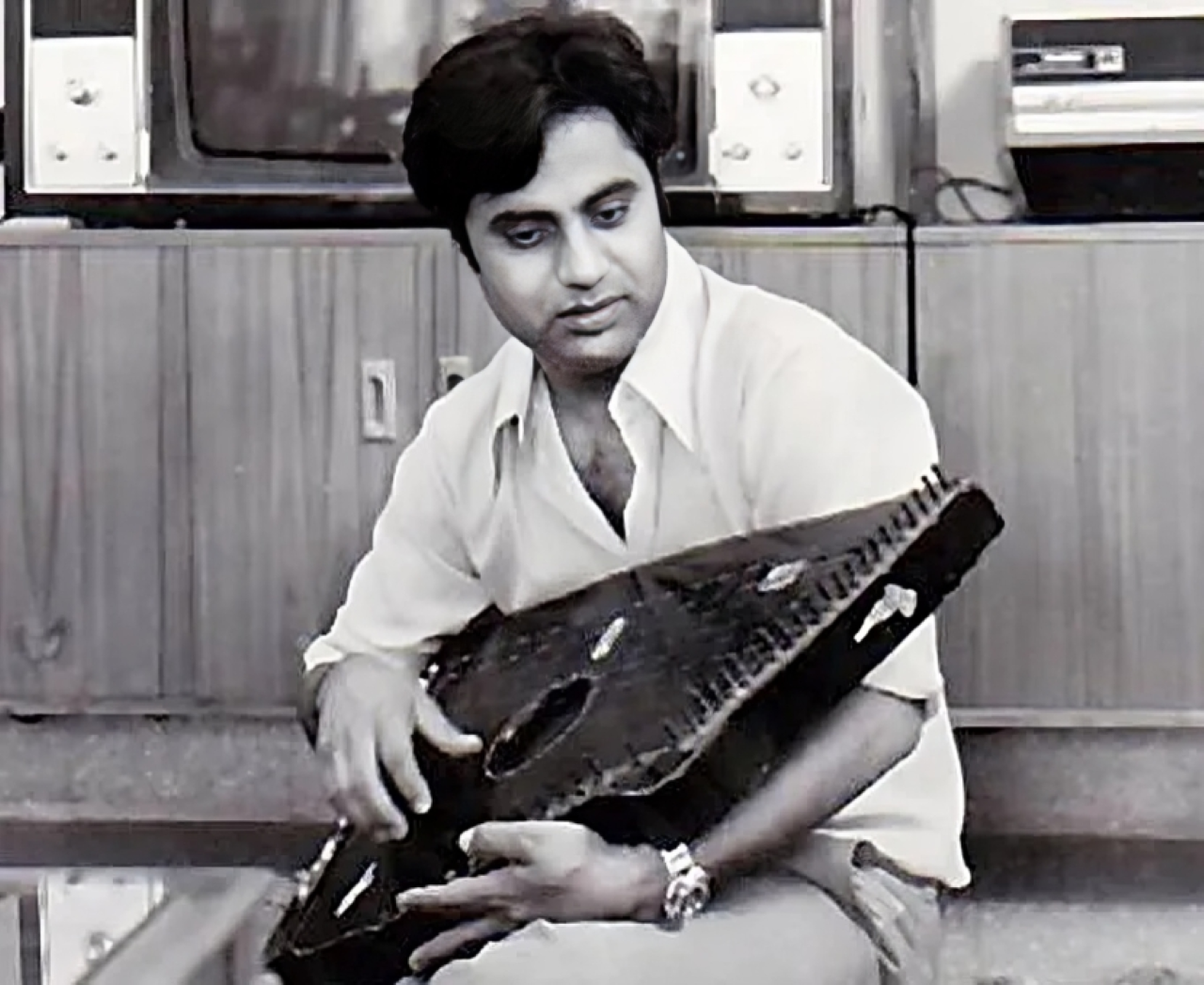
Today we remember and celebrate the birth of Jagjit Singh, the legendary ghazal maestro whose voice reshaped the musical landscape of the Indian subcontinent and carried the timeless beauty of Urdu poetry into millions of homes across the world. Few singers have possessed the rare ability to make poetry feel intimate, personal, and emotionally immediate; Jagjit Singh did so with an effortless grace that continues to resonate long after his passing.
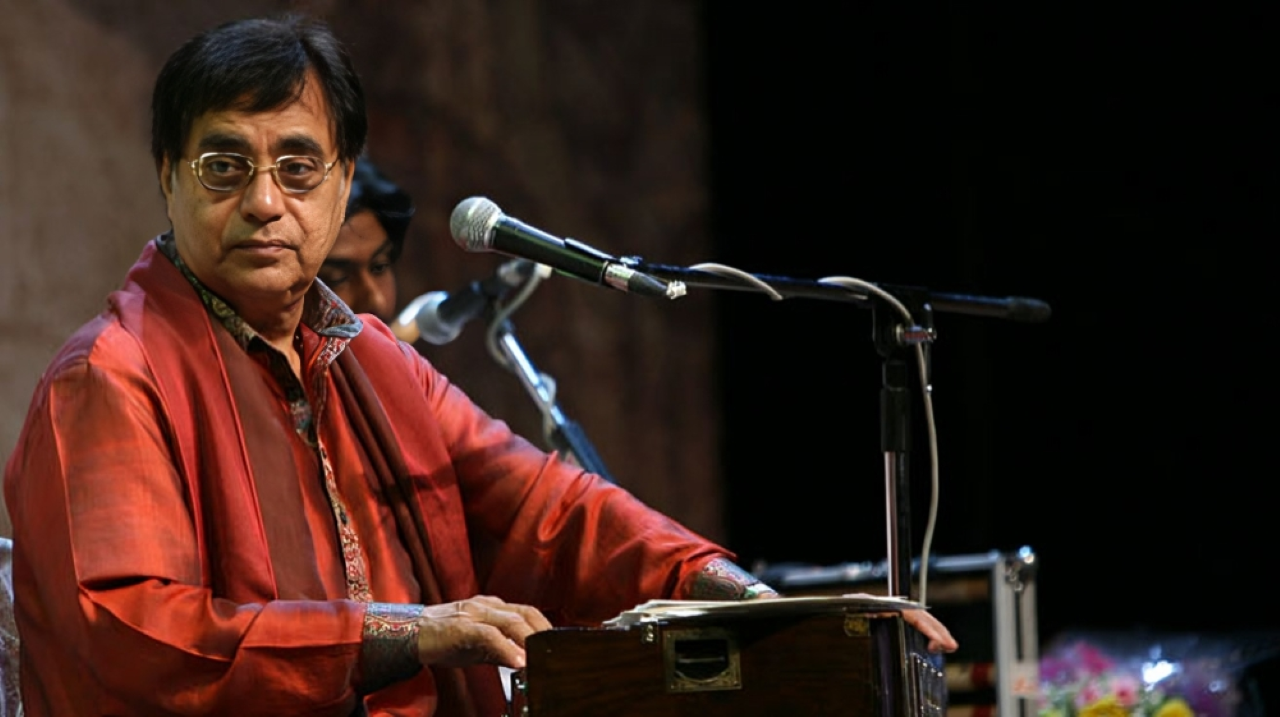
Born in 1941 in Sri Ganganagar, Rajasthan, Jagjit Singh grew up in an environment where music was both devotion and discipline. Trained initially in classical traditions, he later evolved a style that balanced classical depth with modern accessibility. At a time when ghazal singing was largely confined to elite gatherings and traditional mehfils, Jagjit Singh transformed it into a widely loved popular form without compromising its literary dignity. He introduced softer orchestration, contemporary arrangements, and a conversational singing style that made the ghazal approachable to a new generation of listeners.
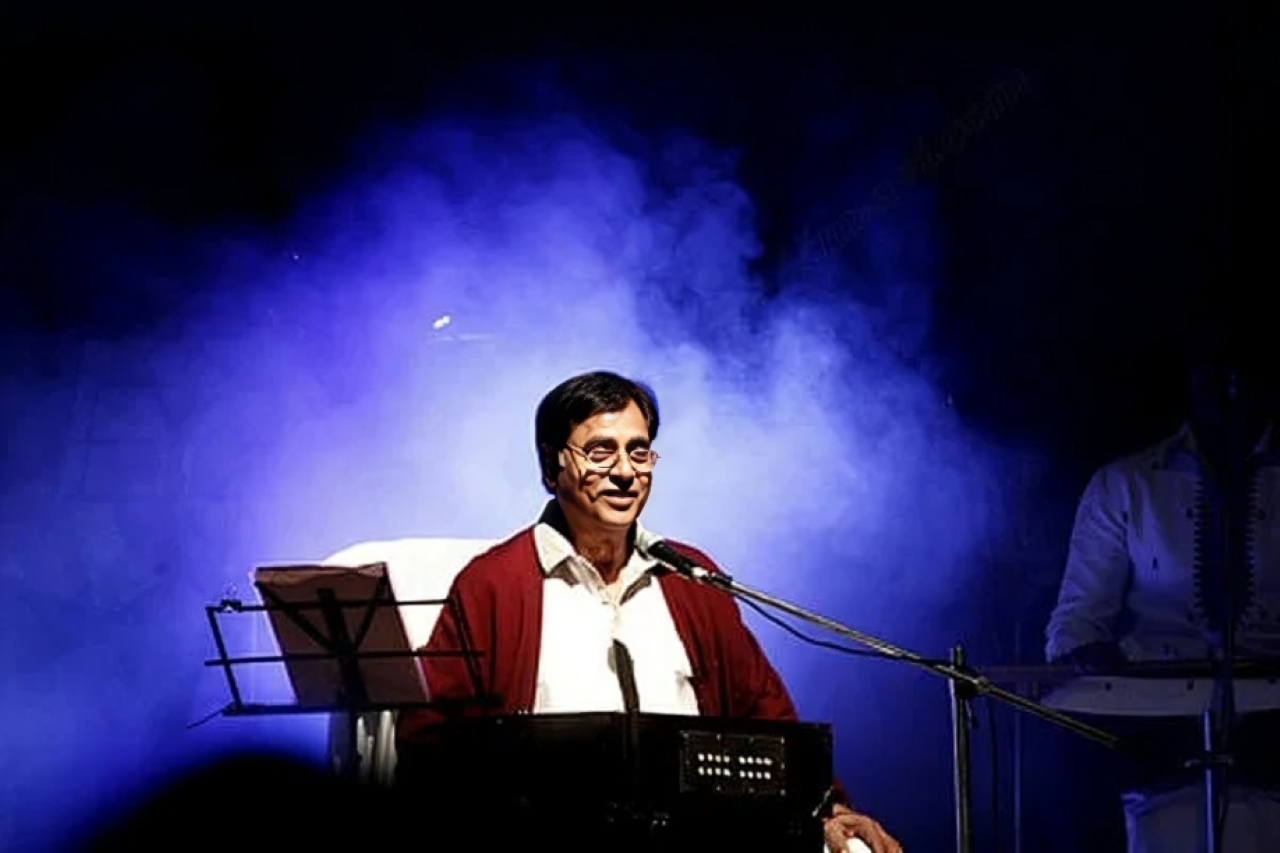
His collaboration with Chitra Singh became one of the most beloved musical partnerships in South Asian music history. Together, they produced albums that defined an era, bringing verses of Ghalib, Faiz Ahmed Faiz, Sudarshan Faakir, and countless other poets into the emotional vocabulary of everyday life. Songs such as “Hothon Se Chhoo Lo Tum,” “Jhuki Jhuki Si Nazar,” and “Tum Itna Jo Muskura Rahe Ho” are no longer merely compositions; they have become shared memories—melodies that accompany solitude, longing, love, and reflection across generations.
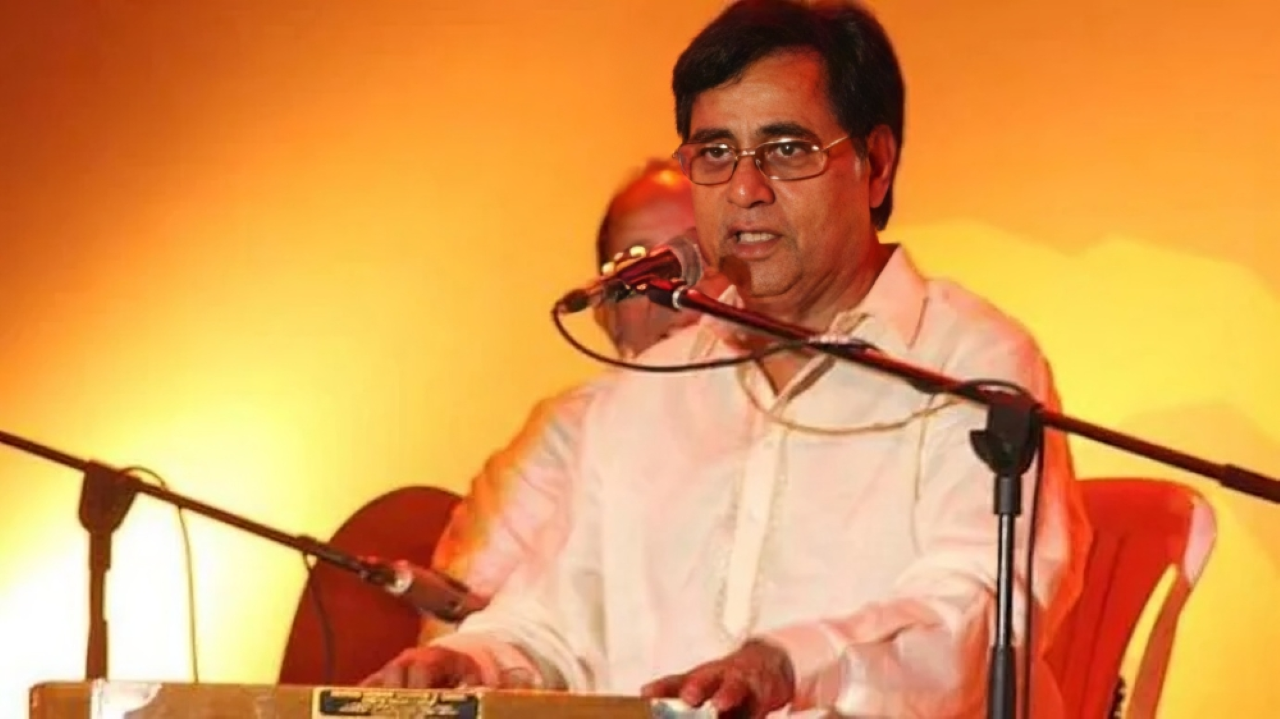
Jagjit Singh’s artistry lay not only in the beauty of his voice but in his extraordinary sensitivity to words. He understood that the ghazal is a dialogue between poetry and silence. His pauses, his understated phrasing, and the gentle warmth of his baritone allowed every syllable to breathe. Rather than overwhelming the poem with vocal virtuosity, he allowed the meaning to unfold gradually, drawing the listener inward until the song felt like a private conversation. In doing so, he demonstrated that restraint can be more powerful than display, and that emotional truth is often expressed most effectively through simplicity.
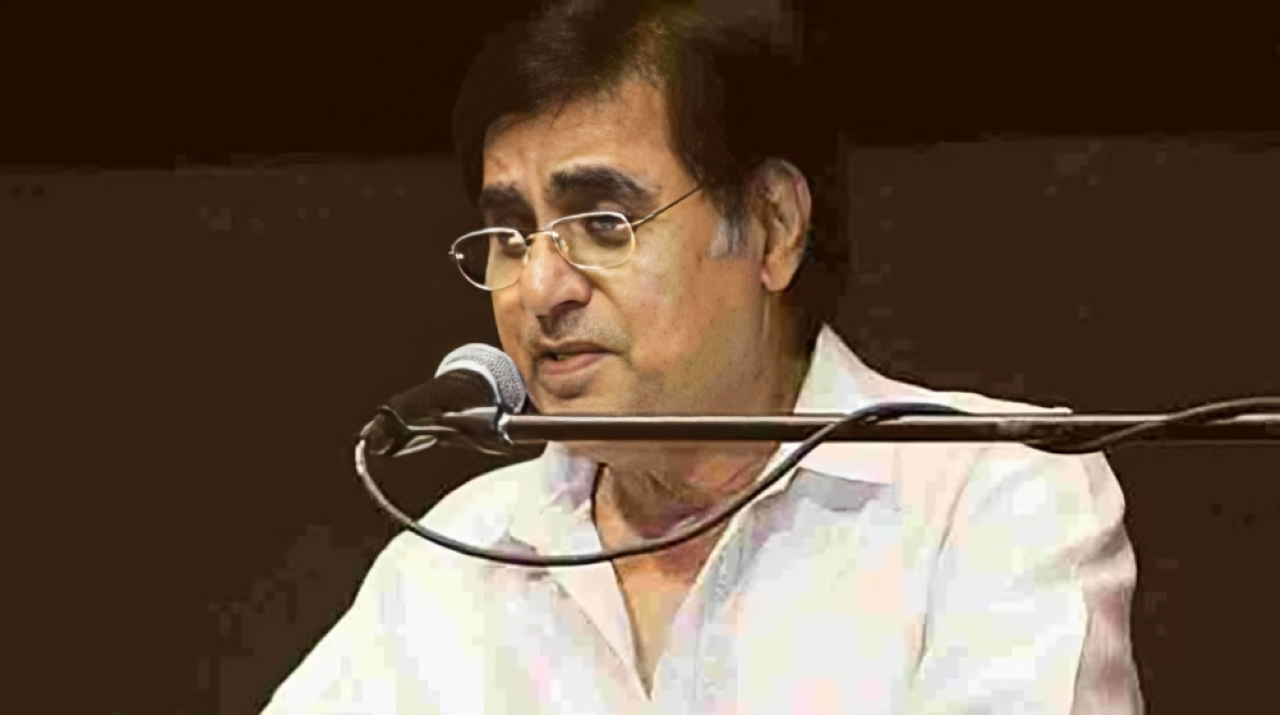
He also played a crucial role in recording and production innovations that modernised ghazal presentation. His albums were among the first to use high-quality studio techniques and carefully designed arrangements that appealed to both classical listeners and contemporary audiences. This ability to bridge tradition and modernity ensured that the ghazal would not remain a nostalgic relic but would continue as a living musical form.
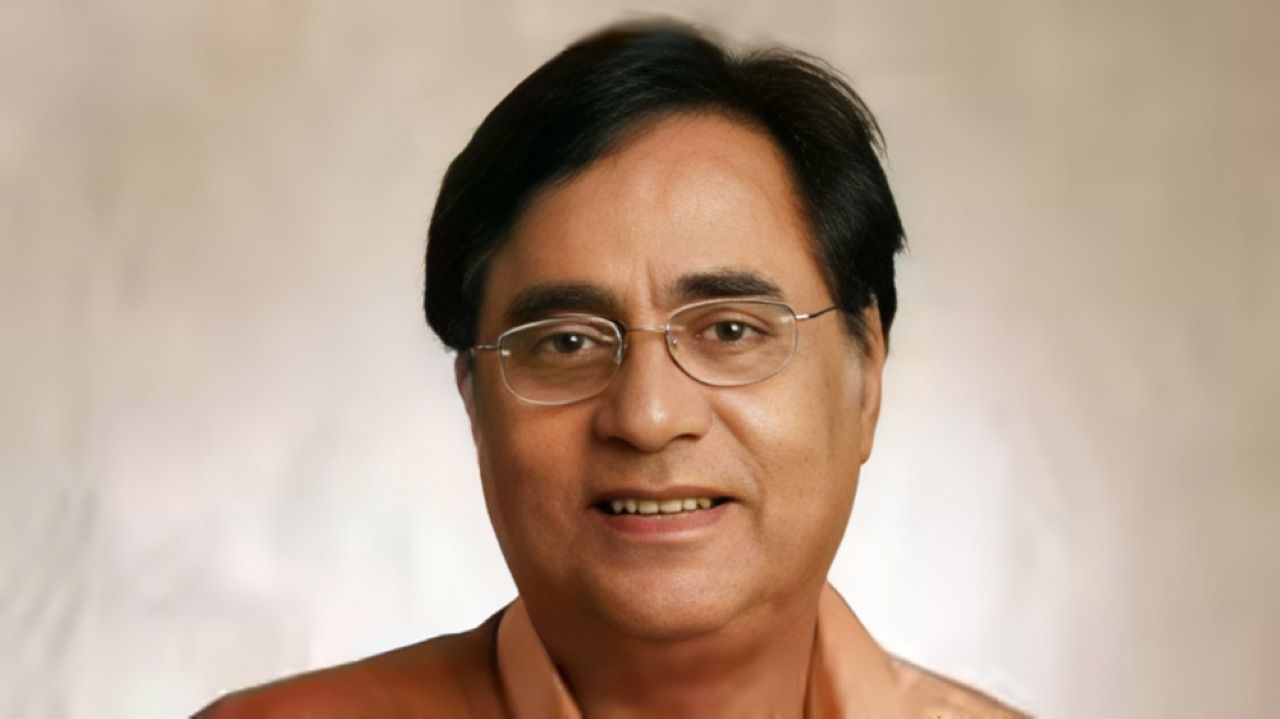
Beyond the stage, Jagjit Singh was known for his humility, generosity, and deep respect for fellow musicians and poets. His life was marked by personal tragedy, yet even in the face of profound loss, he returned to music with quiet resilience, offering performances that carried an even deeper emotional intensity. For countless admirers, his songs became sources of comfort during moments of grief and companionship during moments of solitude.
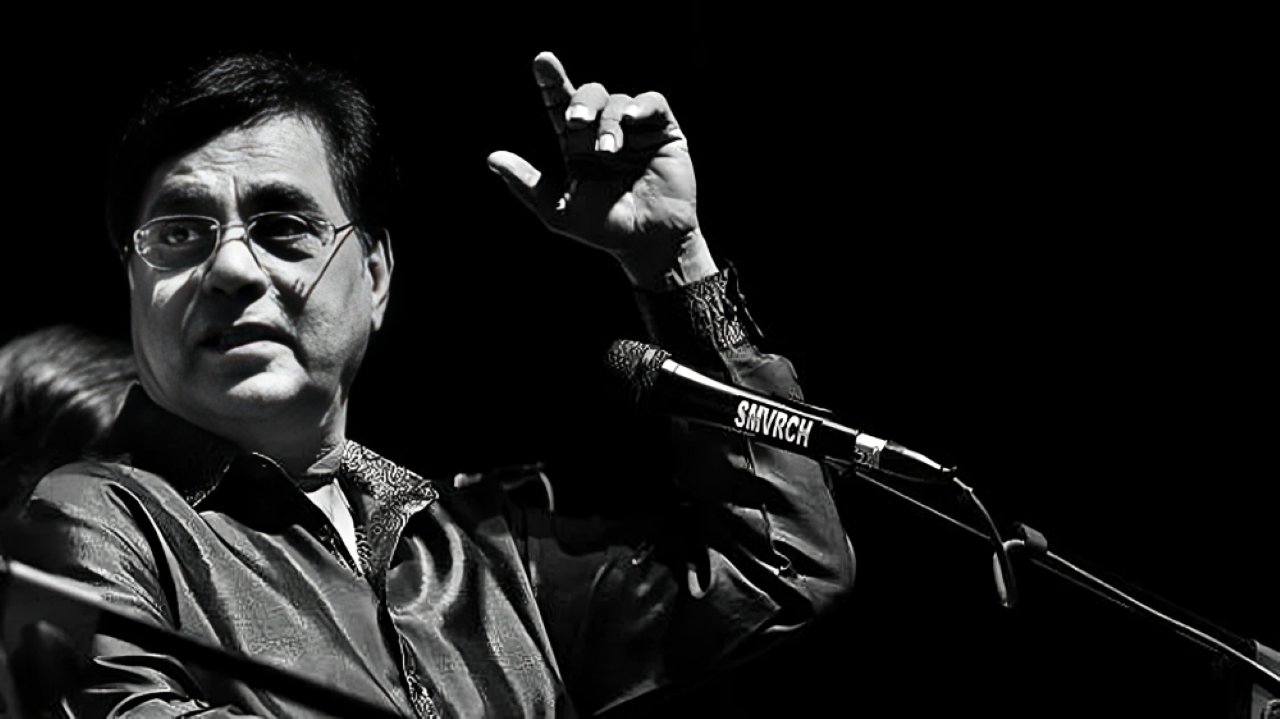
More than a decade after his passing, Jagjit Singh’s voice still inhabits the cultural consciousness of South Asia and the diaspora. Young singers continue to study his phrasing; poets continue to find new audiences through his renditions; listeners continue to discover that his recordings do not age—they mature. His music reminds us that the ghazal is not merely a genre but a refined language of emotion, one that speaks softly yet reaches the deepest corners of the human heart.
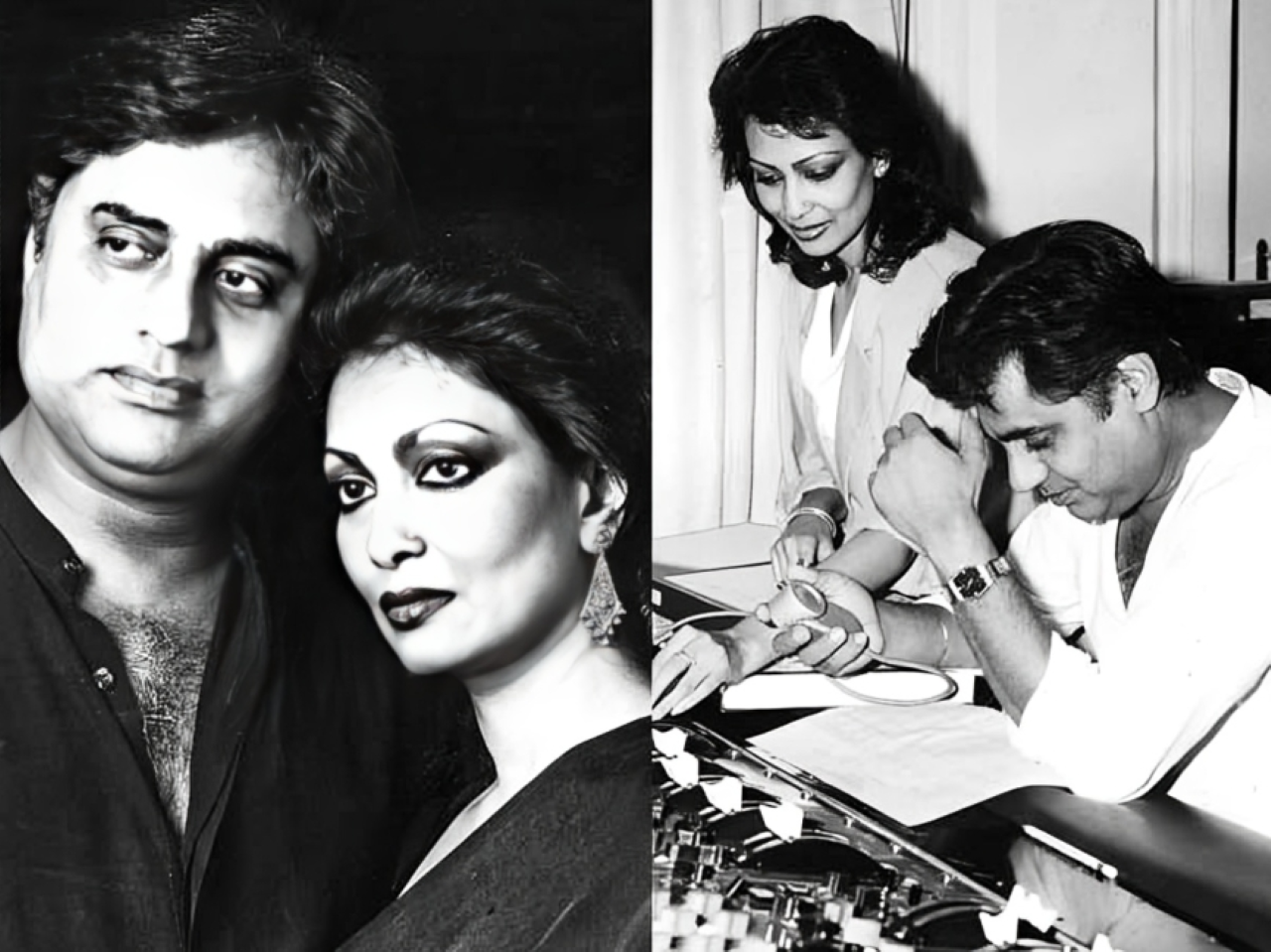
On his birthday, we honour Jagjit Singh as more than a celebrated vocalist. He was a custodian of poetry, a bridge between classical tradition and modern sensibility, and a voice that transformed personal feeling into collective memory. His melodies remain timeless, his interpretations definitive, and his legacy a luminous chapter in the history of South Asian music—one that will continue to echo wherever poetry and music meet.