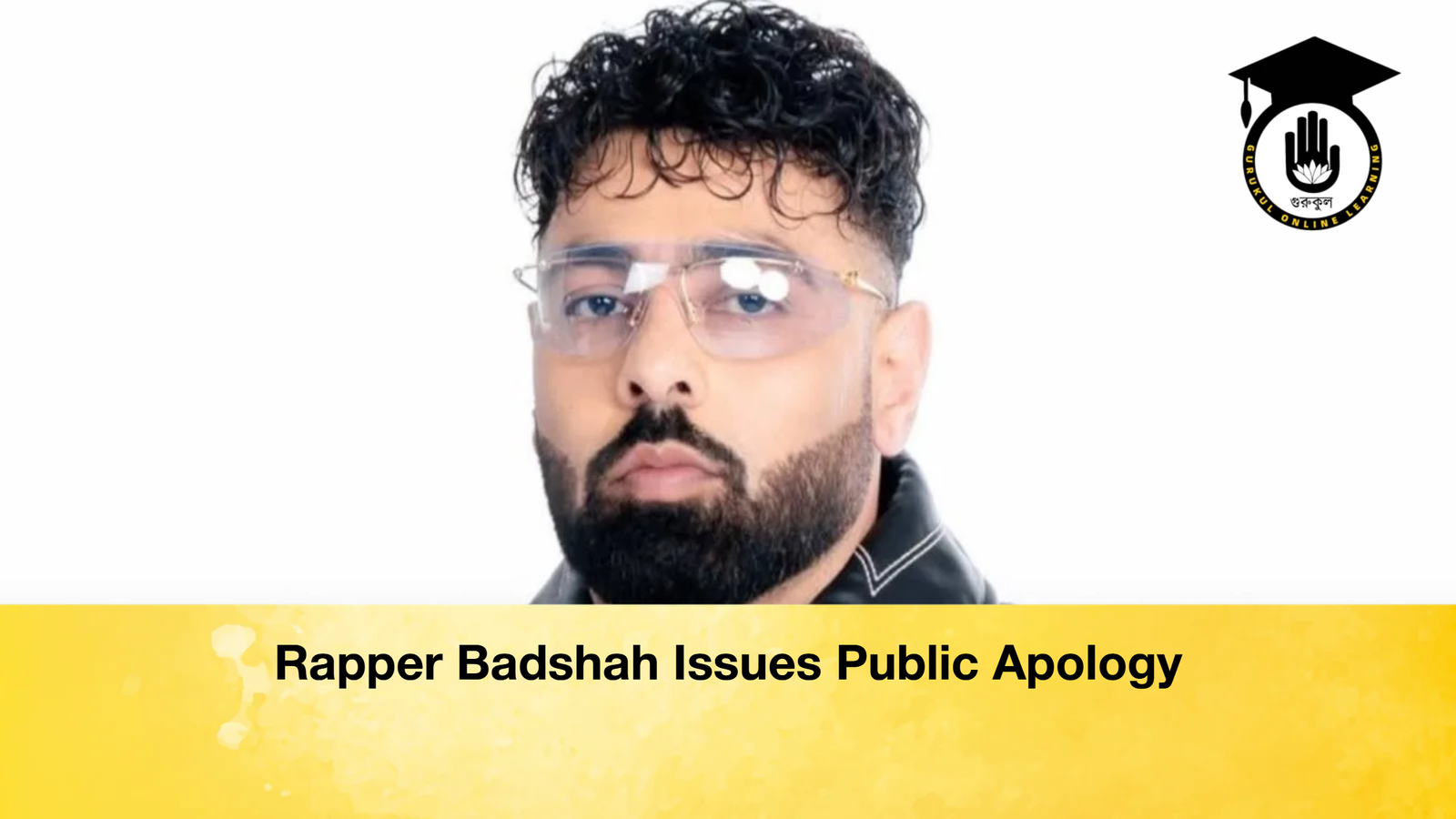
Indian music star Badshah has appeared before the National Commission for Women (NCW) and issued a formal written apology following allegations that his recent track “Tattari” contained obscene content and portrayed women in a derogatory manner. During a hearing held on Tuesday, the rapper expressed regret over the controversy and pledged to adopt a more responsible approach in his future creative work.
According to statements made during the proceedings, Badshah acknowledged that the backlash generated after the song’s release had been taken seriously. He admitted that the concerns raised by sections of the public and various organisations were valid enough to warrant reflection. The artist assured the Commission that he would be more mindful in future productions, particularly regarding social values and the dignified representation of women.
As part of his corrective commitments, Badshah announced that he intends to release a new track within the next four months focusing on women’s empowerment and respect. He further stated that he would personally take responsibility for supporting the education of 50 girls as part of a broader social initiative. In addition, he promised to contribute actively towards fundraising efforts for organisations working in support of women’s welfare.
The controversy surrounding “Tattari” began shortly after its release in March, when it drew widespread criticism across social media platforms. Accusations emerged that the lyrics and visuals contained objectionable portrayals of women, sparking public outrage and calls for the song to be banned. As pressure mounted, the track was subsequently removed from several online streaming platforms.
The situation escalated further when a legal complaint was filed against Badshah in the Indian state of Haryana, adding a judicial dimension to the controversy. Faced with growing legal scrutiny and sustained public criticism, the artist eventually appeared before the NCW to present his explanation and issue an apology.
Timeline of Events
| Period | Event |
|---|---|
| March | Release of “Tattari” and emergence of controversy |
| Late March | Strong criticism and protests on social media |
| Following weeks | Removal of the song from multiple platforms |
| Subsequent period | Legal case filed in Haryana |
| 7 April | Badshah appears before NCW and apologises |
Observers suggest that the incident extends beyond an individual lapse in judgement, highlighting broader concerns about responsible representation within the entertainment industry. In particular, it has reignited debate over how women are depicted in popular music and the need for clearer ethical boundaries in artistic expression.
Legal experts have also emphasised that while creative freedom is protected, it does not extend to content that undermines dignity or violates social norms. Under prevailing legal provisions, portrayals deemed offensive or degrading towards women may attract penal consequences.
Attention now turns to whether Badshah will follow through on his commitments, both in terms of his promised musical output and his pledged social initiatives. Industry watchers believe the case will likely serve as a significant reference point in ongoing discussions about accountability and ethics in contemporary entertainment.