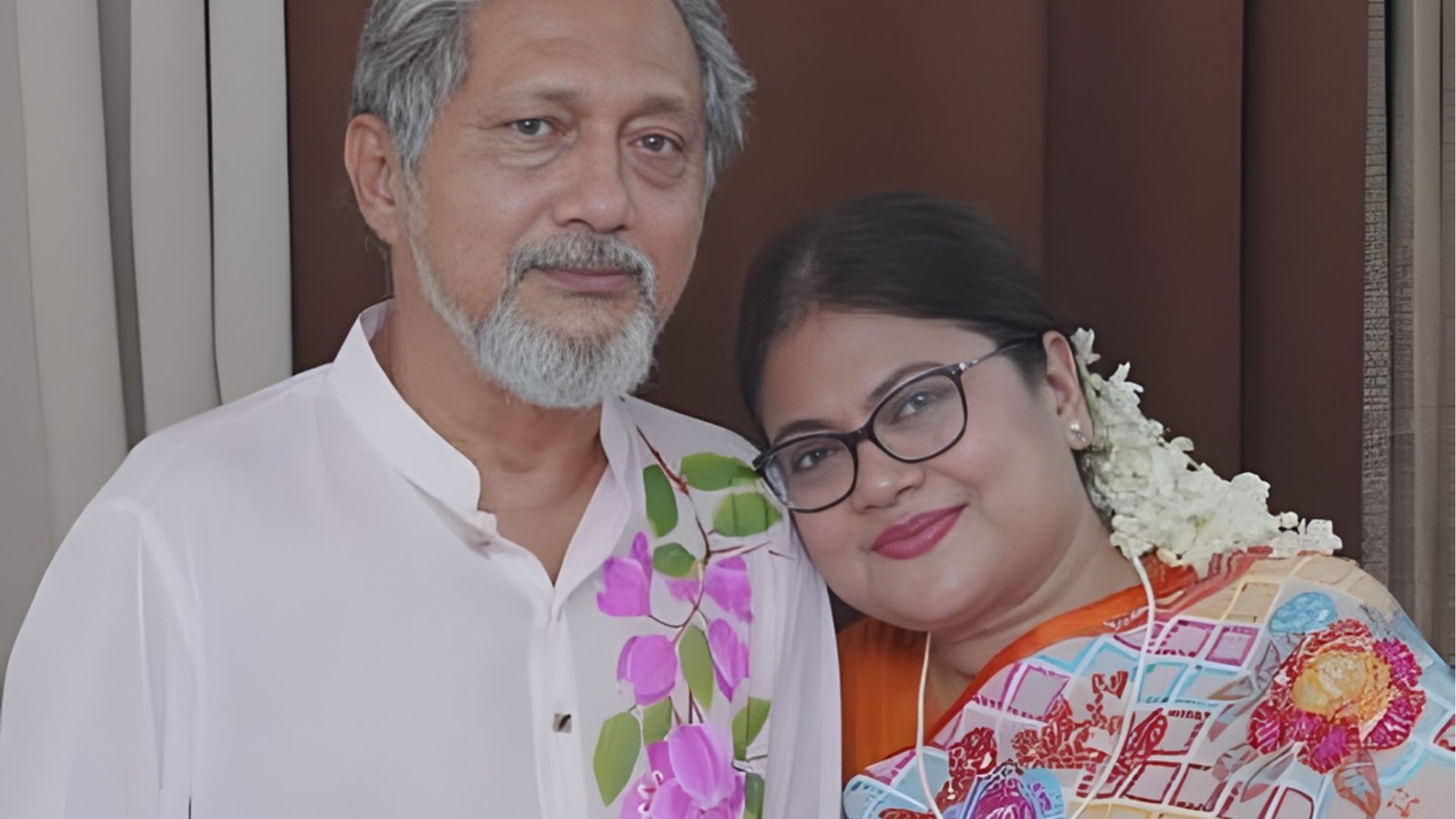
A wedding anniversary is far more than a date on a calendar; it is a symbolic milestone marking the journey, struggles and shared victories of a relationship. For renowned Bangladeshi singer Konokchapa, the occasion of her 41st wedding anniversary became a moment of deep reflection. Instead of a grand celebration, she chose a quieter, more intimate gesture—a public, heartfelt letter addressed to her husband, celebrated music composer and director Moinul Islam Khan.
The letter, posted on social media, quickly drew widespread attention for its honesty, vulnerability and emotional sincerity. In it, Konokchapa not only revisited the memories of her long marriage but also shed light on the essence of companionship—acceptance, understanding and an unspoken bond built through decades of shared life.
She begins with a nostalgic glance back at their early years together, weaving in gentle humour and affectionate teasing. “How long have we known each other? How long have we been friends?” she asks. “Who wrote the first letter?” Her questions highlight that the small, seemingly insignificant details of a relationship often become the most cherished. With endearing self-assurance she adds, “I know you won’t remember the answers to any of these questions. But I can.”
However, the acclaimed singer quickly clarifies that such questions are not tests, nor do they hold any real importance. What matters most, she says, is the underlying strength of their marriage—love, prayer and genuine contentment. She writes with disarming simplicity, “You don’t need to wish me a happy birthday or a happy anniversary, nor do you need to surprise me with flowers. After hoping for these things for years, I realised they are simply not your way. And that’s perfectly fine. All I need from you is a heart full of love and a prayer for my well-being.”
Her words depict a relationship grounded not in grand gestures but in a calm, unwavering companionship. The letter touches on the countless memories they have built over four decades—shared laughter, inside jokes and the everyday rhythm of life that binds two people together more deeply than any celebration could.
Perhaps the most moving element of Konokchapa’s letter is her admission of what she truly wants from her husband. “I want only one thing,” she writes. “When I am gone, I want you to say—whether publicly or before God—that your wife was a good person, and that you were satisfied with her. That will be my provision for the hereafter.”
The letter concludes with a simple yet profound declaration: “I love you, my dear. Happy 41st anniversary, my friend.”
After the post went live, social media was flooded with comments from fans, admirers and fellow musicians. Many praised her for articulating a kind of marital wisdom that often goes unspoken—love rooted in acceptance rather than expectation, and partnership built on sincerity rather than ceremony.
Konokchapa’s message underscores a universal truth: the real value of a relationship is not determined by outward displays but by the depth of affection, trust and mutual satisfaction shared between two people. Her 41-year journey stands as a gentle reminder that true love is not measured by bouquets or elaborate greetings, but by the quiet loyalty that endures through time.