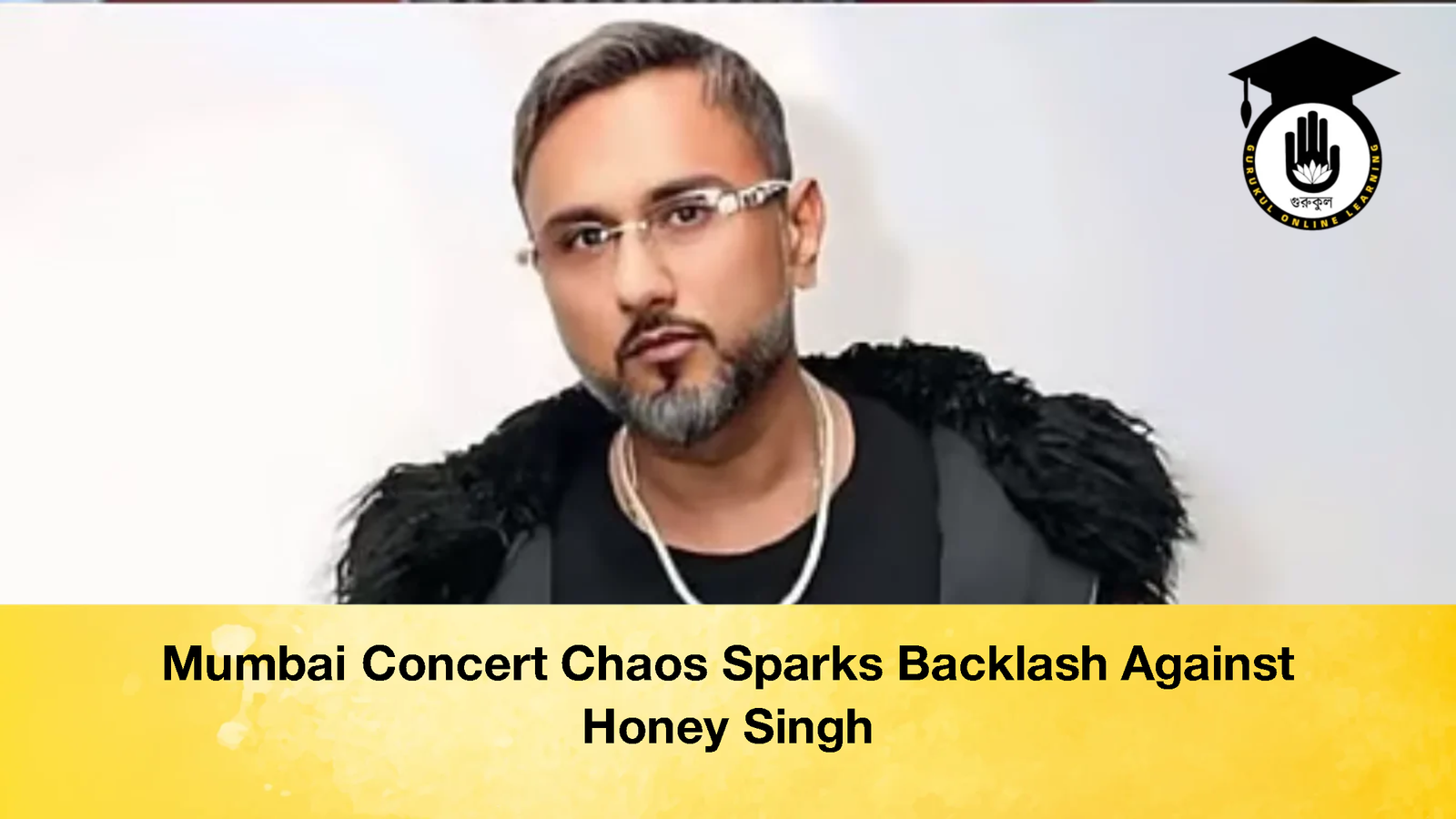
A high-profile concert by Yo Yo Honey Singh in Mumbai has come under intense scrutiny after widespread allegations of mismanagement, overcrowding, and unauthorised access overshadowed the event. The performance, held on Saturday in the prominent suburb of Bandra, was expected to be a vibrant celebration of music but instead became a focal point of public criticism.
The concert initially unfolded with the trademark energy associated with Honey Singh’s performances. Delivering a setlist packed with crowd favourites such as “Dope Shope”, “Desi Kalakaar”, “Blue Eyes”, “Brown Rang”, and “Lungi Dance”, the artist drew enthusiastic responses from fans. Attendees sang along, danced, and revelled in the spectacle. However, the excitement soon gave way to frustration as organisational shortcomings began to surface.
Table of Contents
Viral Incident Amplifies Controversy
The situation escalated sharply when a video circulated widely across social media platforms, capturing a female attendee attempting to enter the venue without a valid ticket. When confronted by security personnel, she reportedly responded with aggression, shouting and using abusive language. The footage quickly went viral, sparking heated debate over both audience behaviour and the adequacy of security arrangements.
Further reports indicated that the incident was not isolated. A number of individuals were allegedly able to bypass entry checks and gain access to restricted areas, including premium zones near the stage. This raised serious concerns about the enforcement of ticketing protocols and the overall integrity of the event’s management.
Frustration Among Ticket Holders
For many paying guests, the experience fell far short of expectations. Numerous attendees complained that despite holding valid tickets, they were unable to access designated areas due to excessive crowding and poor coordination by event staff.
Particularly aggrieved were those who had purchased premium or luxury tickets, some costing substantial sums, only to find themselves unable to enjoy the benefits promised. Many reported being pushed to the back of the venue or forced to stand in congested areas, effectively negating the value of their purchase.
The disparity between ticket pricing and actual experience is illustrated below:
| Ticket Category | Price Range (INR) | Access Description |
|---|---|---|
| General Admission | From ₹1,799 | Standard entry to venue |
| Premium Front Access | Up to ₹20,000 | Proximity to stage |
| Luxury Seating | Up to ₹310,000 | Exclusive seating and premium facilities |
The considerable price range has intensified criticism, with many questioning whether organisers delivered an experience commensurate with the cost.
Wider Concerns Over Event Management
The controversy has reignited debate حول standards of event management in major urban centres such as Mumbai. Observers have pointed to lapses in ticket verification, inadequate crowd control measures, and insufficient contingency planning as key factors contributing to the disorder.
Industry experts stress that concerts featuring prominent artists like Honey Singh require meticulous preparation, including robust security frameworks and effective coordination between organisers, venue operators, and law enforcement agencies. Failures in these areas can compromise not only the audience experience but also safety.
Upcoming Shows Under Scrutiny
Despite the backlash, Honey Singh’s tour is set to continue, with performances scheduled across several cities. One of the most anticipated upcoming events will take place in Kolkata on 9 May. In light of recent events, organisers are expected to implement stricter crowd management protocols and enhanced security measures.
Lessons for the Live Entertainment Industry
While the Mumbai concert reaffirmed Honey Singh’s enduring popularity and his ability to attract large audiences, it also exposed critical weaknesses in execution. For many observers, the incident serves as a stark reminder that even the most anticipated events can be undermined by inadequate planning.
As public discourse continues, the episode highlights the growing expectations of audiences for professionalism, fairness, and safety in live entertainment. Going forward, organisers may need to adopt more rigorous standards to ensure that the quality of event management matches both audience expectations and the premium prices often charged.