In recent months, Dhaka has witnessed a troubling pattern of last-minute concert cancellations, leaving both artists and fans frustrated. The latest incident involves the much-anticipated performance of Pakistani singer Atif Aslam, scheduled for 13 December, which was abruptly called off. The announcement, widely shared on social media, triggered a wave of disappointment and criticism among fans. Despite extensive promotions and ticket sales, organisers reportedly failed to secure essential approvals, security clearances, and logistical arrangements, ultimately rendering the event impossible to hold. Atif Aslam himself expressed his regret over the cancellation on his Facebook page.
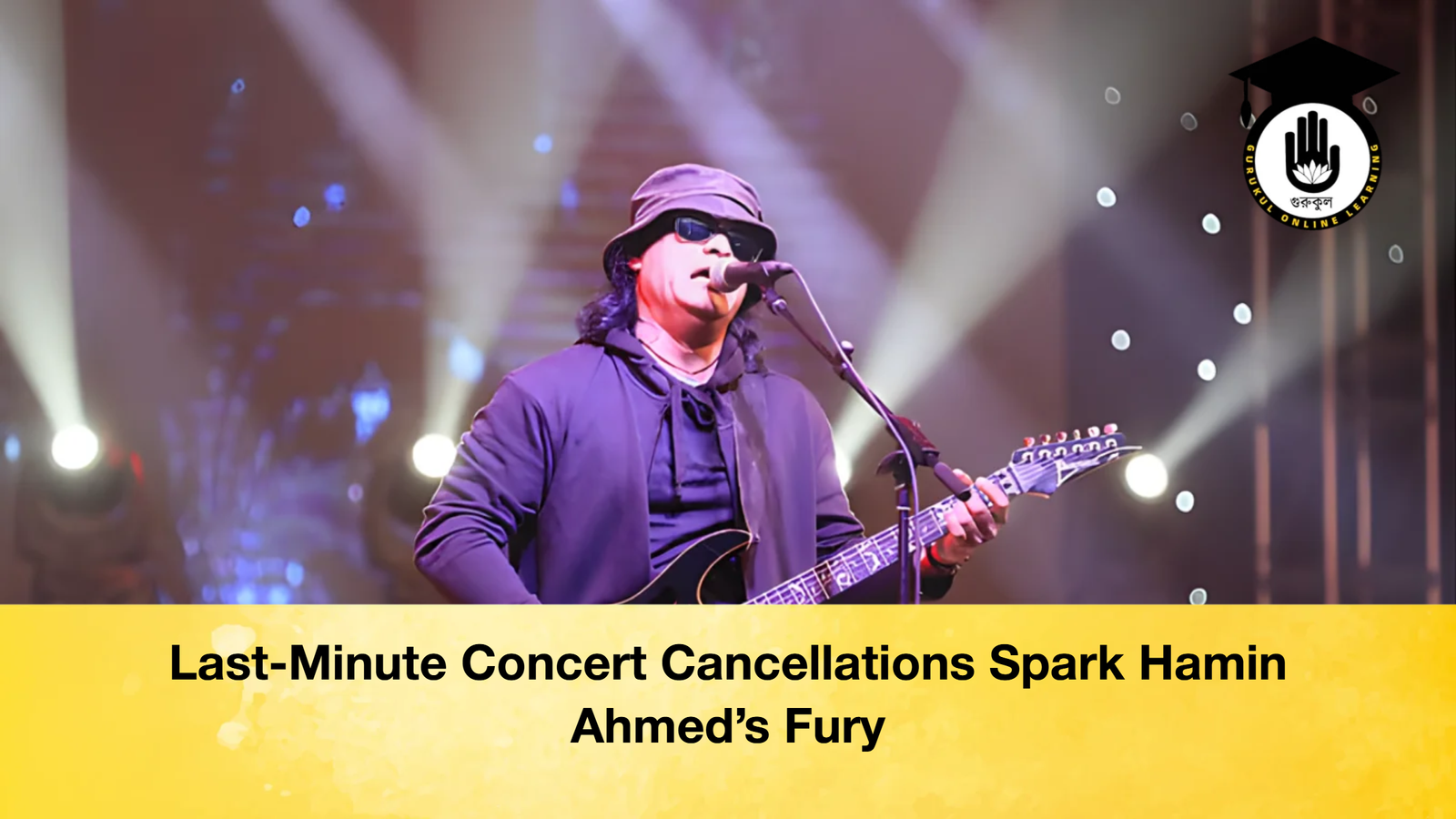
Hamin Ahmed, a member of the popular Miles band, has voiced his anger over this recurring problem. Speaking candidly, he said, “First obtain all the necessary permits, then promote the concert and sell tickets—simple! Stop spreading false assurances, giving flimsy excuses, and causing distress to music lovers. You are ruining the very atmosphere of live music.”
This year, several concerts in Dhaka have been promoted and ticketed without proper authorisation, resulting in cancellations and leaving artists, fans, and organisers deeply frustrated. Hamin stressed the urgent need for adherence to official procedures. “Selling tickets and promoting events without prior approval harms both fans’ experiences and the reputations of performers. With proper attention to government regulations and security protocols, popular concerts can be held successfully,” he said.
Hamin’s critique extended beyond event organisers to the political sphere. In a recent Facebook post, he pointed out that in the country’s 54-year history, no political party has prioritised music as part of their election manifestos. He questioned, “Plans are being announced on every other matter, but why not music?” Through his post and subsequent comments, Hamin highlighted the importance of public accountability, explaining how citizens can exert pressure on political parties and even use selective voting strategies to influence policy and cultural priorities.
In summary, last-minute cancellations due to inadequate permissions continue to frustrate both performers and their audiences. Hamin Ahmed’s pointed criticism serves as a stark reminder to organisers, artists, and authorities alike: better planning, adherence to regulations, and proactive engagement with cultural priorities are essential if Dhaka is to host successful and widely enjoyed live music events in the future.