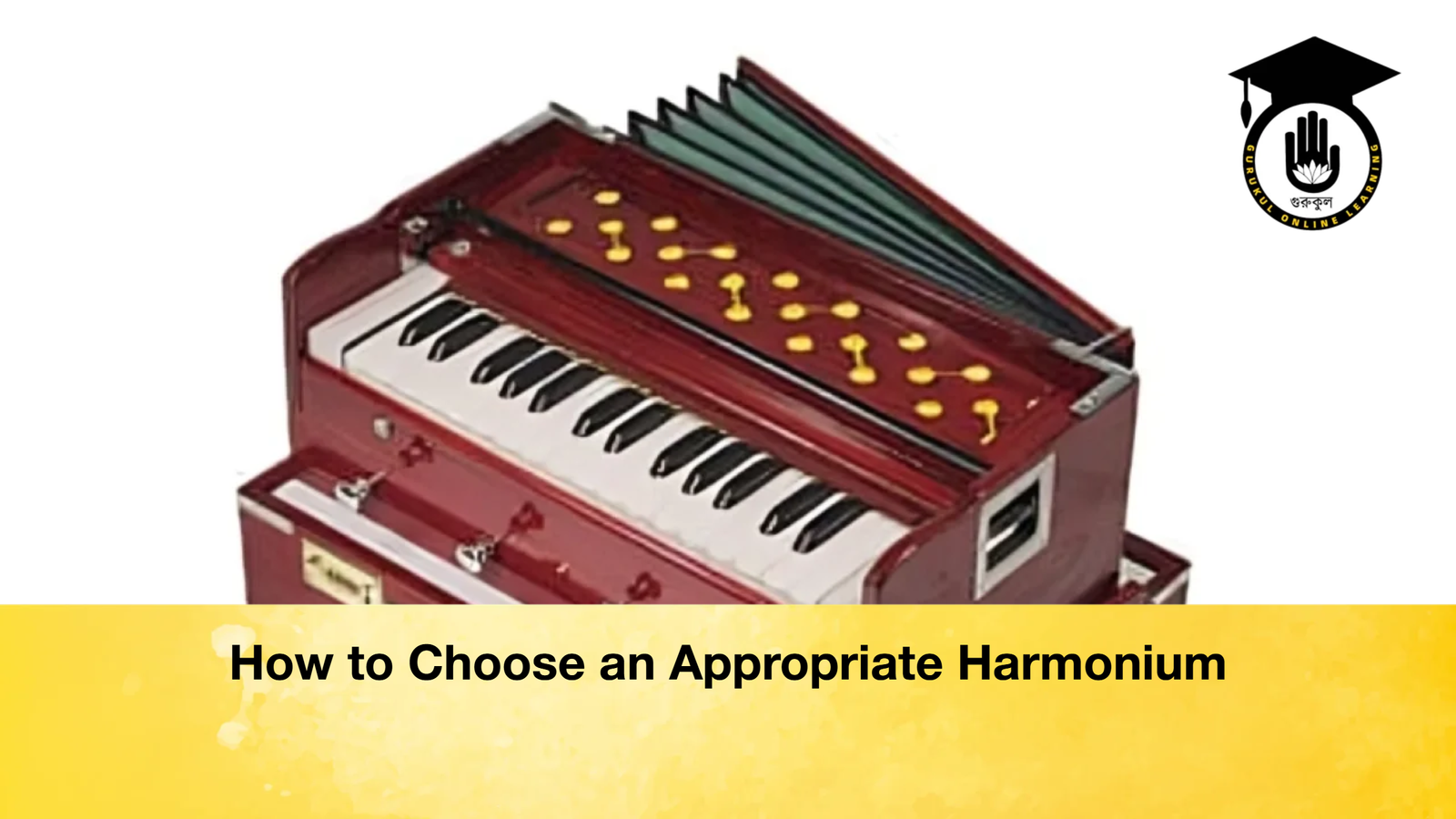
The harmonium is an inseparable part of music across the Indian subcontinent. Whether it is classical music, devotional songs, ghazals, or folk traditions, the mellow and expressive sound of the harmonium adds a unique dimension to every genre. However, if you are planning to buy a harmonium, deciding which one is good and which is not can be quite challenging—especially for beginners.
In this article, we will discuss in detail how to choose a good harmonium. We will cover the different types of harmoniums, the features you should look for, practical buying tips, advice for beginners, and essential maintenance techniques. By following this guide, you will be able to select the right harmonium according to your budget, musical needs, and preferred style.
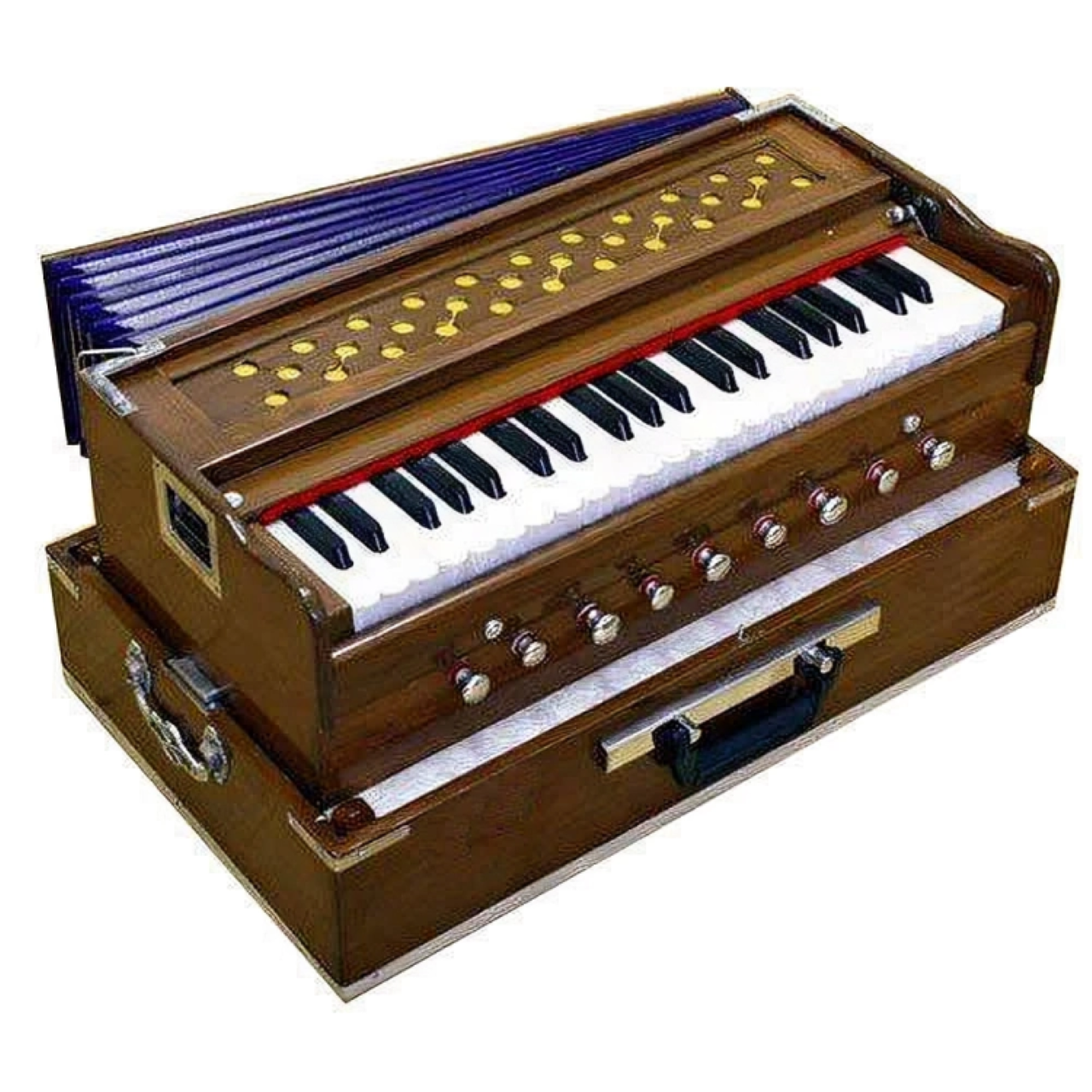
Table of Contents
What Is a Harmonium and Why Is Choosing the Right One Important?
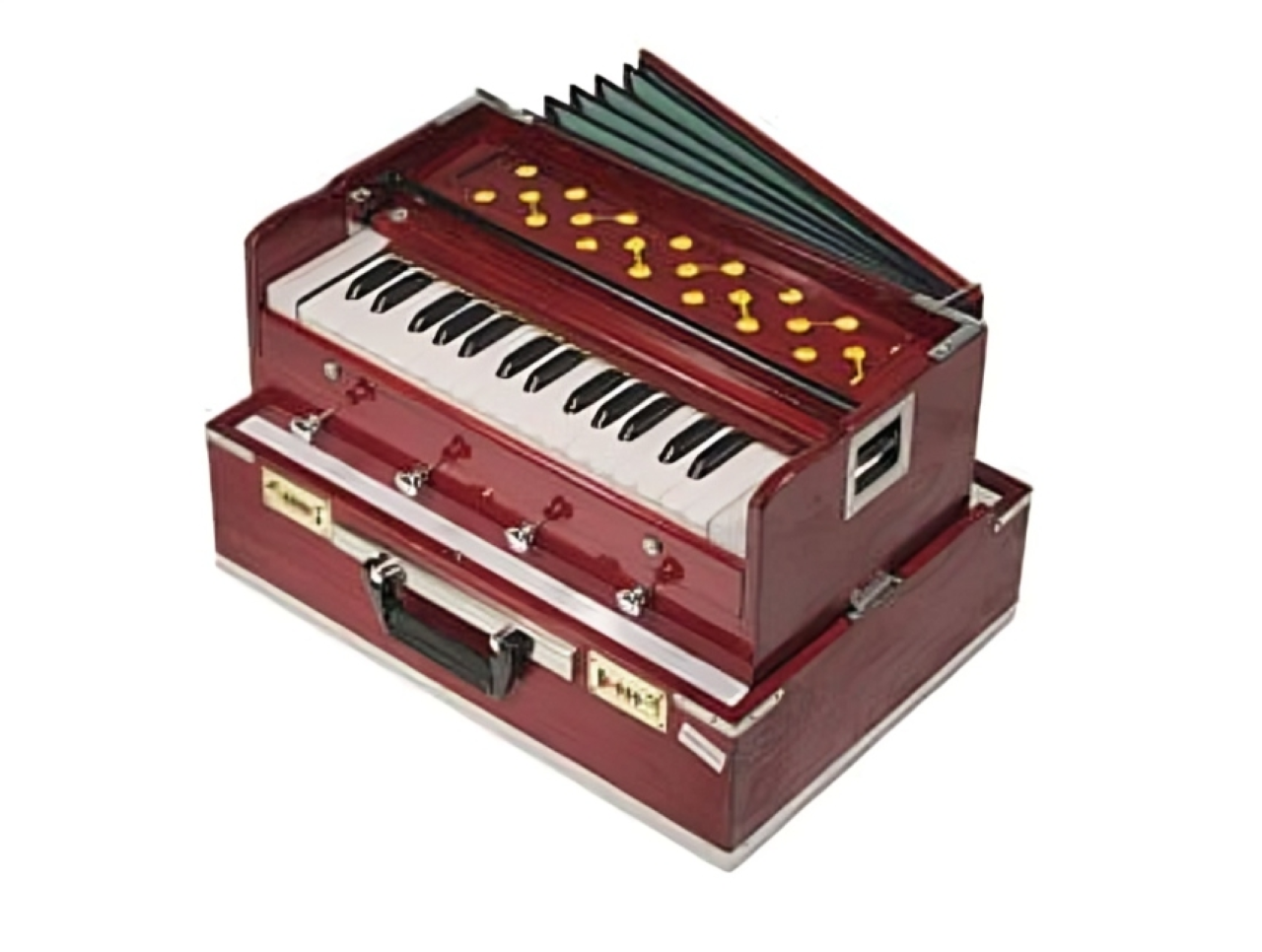
A harmonium is a keyboard-based instrument that produces sound through air pressure. Inside the instrument are reeds that vibrate when air is pumped through the bellows, generating musical notes. The harmonium is extremely popular in South Asian music, including India, Bangladesh, and Pakistan.
However, choosing the wrong harmonium can lead to problems in sound quality, durability, and playing comfort. A good harmonium produces stable notes, does not leak air, and allows for extended playing without discomfort. On the other hand, a low-quality harmonium often suffers from unstable tuning, quickly damaged reeds, air leakage, and an uncomfortable playing experience.
Therefore, before making a purchase, it is essential to consider the quality of the instrument, the type of music you intend to play (devotional, classical, or light music), and your budget.
Main Types of Harmoniums
Understanding the different types of harmoniums is the first step towards making the right choice. Harmoniums can broadly be categorised based on size, portability, and features.
Based on Size
Small harmoniums (2.5 octaves) are affordable and portable, but they offer lower sound volume and sustain. Medium-sized harmoniums (3.25 octaves) are ideal for beginners, while large harmoniums (3.5 octaves) are better suited for professionals, as they have greater air capacity and produce more stable, sustained sound over longer periods.
Based on Portability
Collapsible (foldable) harmoniums are excellent for travel and performances on the move, though they tend to be more expensive and require some practice to open and close smoothly. Standard (non-collapsible) harmoniums are more suitable for stationary use and are generally more affordable.
Based on Features
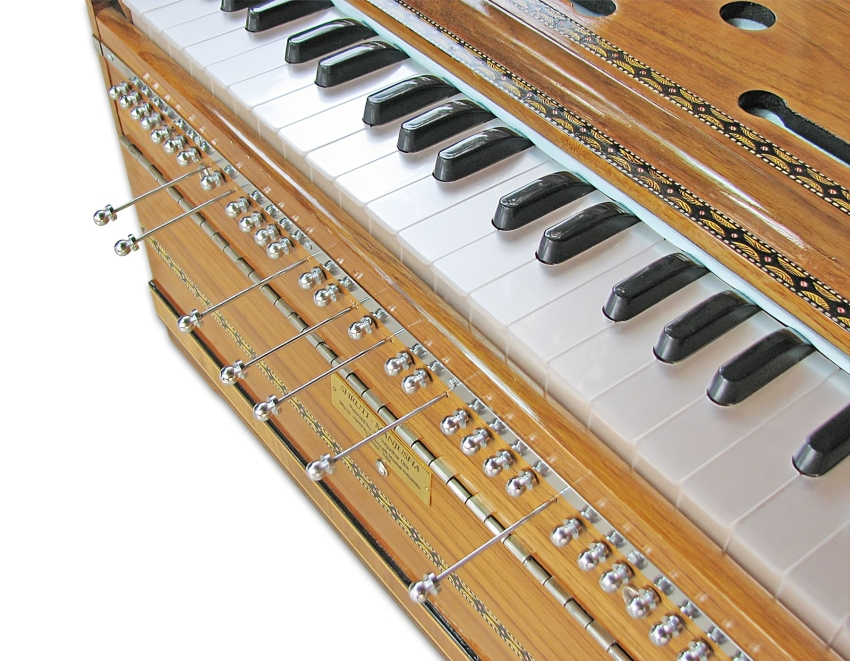
Some harmoniums come with additional features such as drone stops, scale changers, or extra air-stop knobs. For beginners, a simple model is more than sufficient; additional features can unnecessarily complicate the sound and playing experience.
What to Look for When Buying a Harmonium: Detailed Tips
To choose a good harmonium, several key factors must be carefully considered. Let us examine them one by one.
1. Set Your Budget
Harmonium prices can range from BDT 5,000 to BDT 50,000 or more. Beginners can find a good-quality instrument within the BDT 10,000–20,000 range. While higher prices often indicate better quality, it is wise to select an instrument that meets your needs without unnecessary expense.
2. Check the Wood Quality and Build
A good harmonium is typically made from solid wood such as teak or shisham, which provides better resonance and long-term durability. Avoid plywood or low-quality wood, as these can lead to unstable sound and quicker damage. Carefully inspect the sealing of the box—air leakage will affect tuning stability. Also check for cracks, loose joints, or uneven surfaces; such flaws indicate poor craftsmanship.
3. Quality of the Reeds
The reeds are the heart of a harmonium. High-quality reeds made of brass or bronze produce clear, sweet, and sustained sound. Cheaper reeds often result in unstable notes or sound that fades quickly. When buying, play the instrument and listen carefully: check how long the notes sustain and whether there is any buzzing or unevenness. Some harmoniums include both male and female reeds, offering tonal variation.
4. Keyboard and Keys
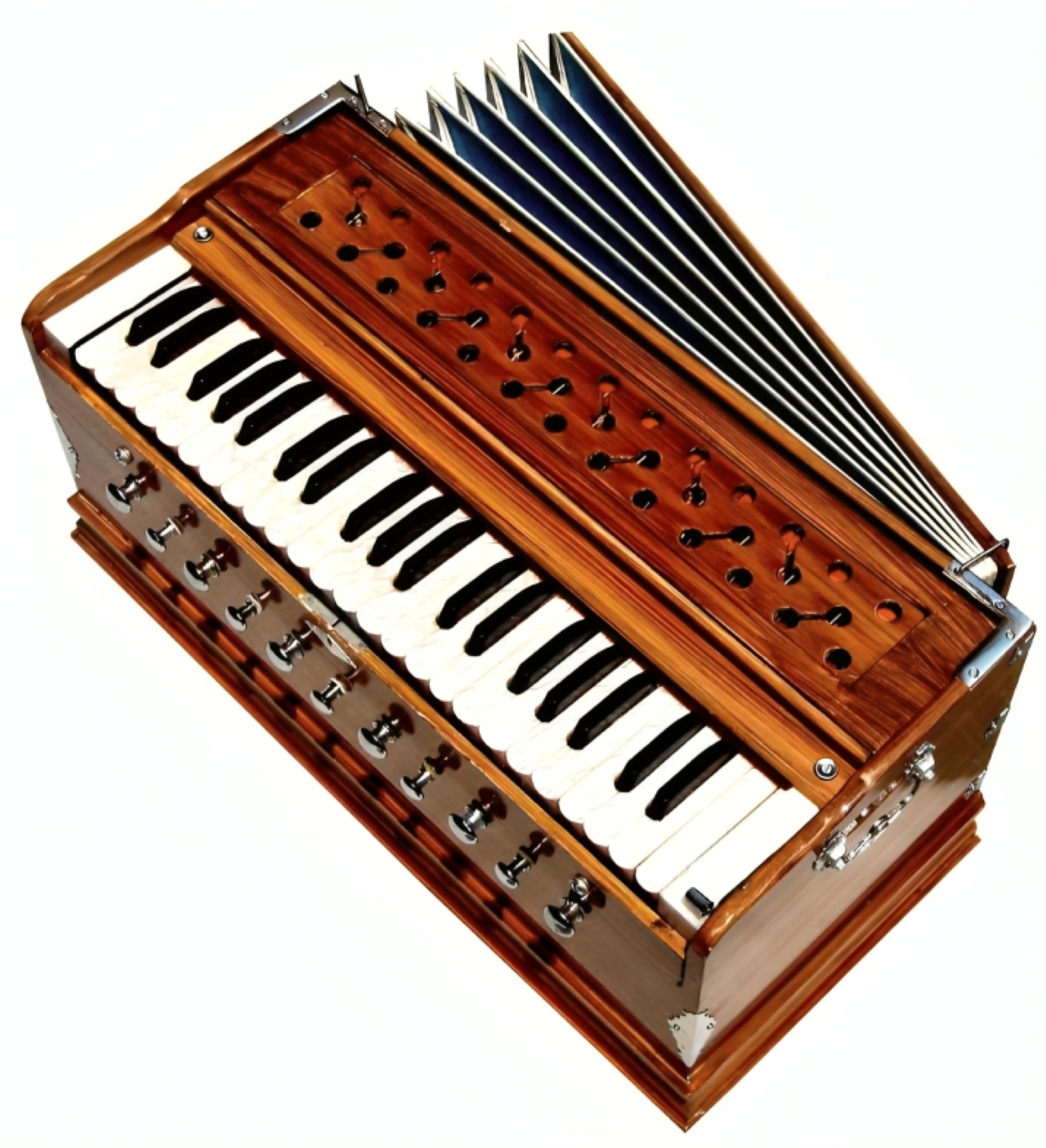
The keys should feel smooth—not too stiff and not too loose. When pressed, the sound should respond immediately, and when released, it should stop cleanly. Choose the number of octaves according to your musical needs; for beginners, 39 keys (3.25 octaves) are sufficient. Keys made from plastic or ivory-like material are generally easier and more comfortable to play.
5. Sound Quality and Tuning
This is the most critical aspect. Play the harmonium before purchasing and listen carefully to the tone: it should be clear, sweet, and well-balanced. Decide whether you prefer a brighter or mellower sound. The tuning should follow the standard pitch (A = 440 Hz). If the harmonium has a scale changer, ensure it functions smoothly—though beginners are advised to avoid this feature as it adds complexity.
6. Portability and Size
If you plan to travel frequently for performances or practice sessions, a collapsible harmonium may be a good choice. These are easier to carry but require familiarity with opening and closing. Standard harmoniums are heavier but usually produce better sound. Choose a size that suits your hand span; an instrument that is too small can be uncomfortable to play.
7. Brand and Maker
Reputable brands such as Bina, Paul & Co, SG Musical, Ananda, or well-known Kolkata-based harmonium makers are generally reliable, offering better quality control. Indian-made harmoniums are widely preferred. Avoid cheap copies from China or elsewhere, as they often suffer from poor sound and build quality. Instruments crafted by experienced master craftsmen may cost more but are far more durable.
8. New vs Used Harmonium
It is usually better to buy a new harmonium, as used instruments may have damaged reeds, air leaks, or hidden issues. If you do choose a used harmonium, inspect it with an experienced person and ensure some form of warranty or guarantee. New harmoniums typically come with a one- to two-year warranty.
9. Price Range and Where to Buy
In Bangladesh, harmonium prices generally range from BDT 8,000 to BDT 50,000. Purchase from trusted music stores such as those on Bailey Road in Dhaka, reliable importers from Kolkata, or reputable online platforms like Daraz or Bikroy. Always test the instrument before buying and check the return policy.
Special Advice for Beginners
If you are just starting out, choose a medium-sized (3.25-octave) harmonium with a simple design. Avoid advanced features such as scale changers, as they can be confusing for beginners. Ensure the instrument is properly tuned before practice and clean it regularly. Learning under the guidance of a teacher is highly recommended, as it helps you adapt your technique to the instrument. Start with a modest budget and upgrade later as your skills improve.
Maintenance Tips
Proper maintenance is essential if you want your harmonium to last for many years. Do not store it in excessively hot or humid places, as moisture can damage the reeds. Dust the instrument regularly, check the bellows for leaks, and have it tuned every six months. Keep it covered with a bag or cloth to prevent dust accumulation. If any problems arise, consult an experienced technician rather than attempting repairs yourself.
Choosing a good harmonium is the first step in your musical journey. Focus on budget, size, reeds, sound quality, and build, and always test the instrument before purchasing. A well-chosen harmonium will bring your music to life and make practice and performance a joyful experience. When selected carefully, it becomes more than just an instrument—it becomes a lifelong musical companion.
Best wishes on your musical journey!