The Legacy of Musicologist Ustad Sudhin Das
খবরওয়ালা ডেস্ক
প্রকাশ: ৩০ই এপ্রিল ২০২৬, ৬:৪২ পিএম
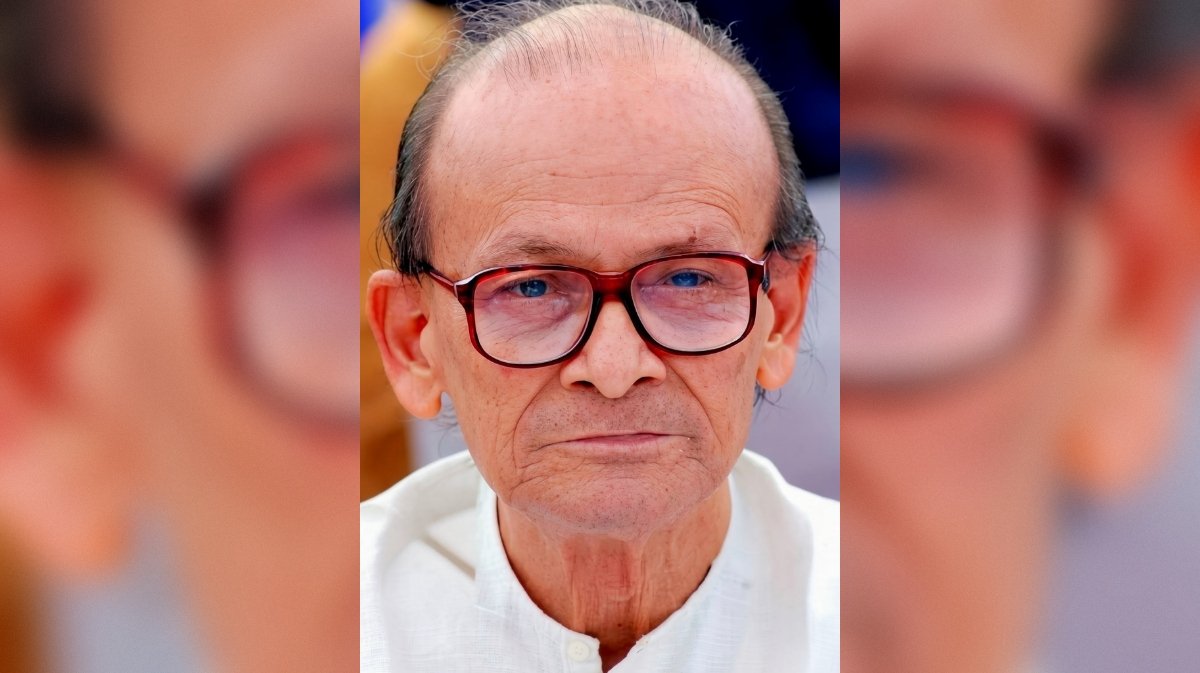
Ustad Sudhin Das remains a towering figure in the musical landscape of the Indian subcontinent, renowned as a dedicated researcher, practitioner, and custodian of classical and folk traditions. Born on 30 April 1930 in the culturally vibrant district of Comilla, his life was defined by an unwavering commitment to the preservation of authentic musical forms. The son of Nishikanta Das and Hemprabha Devi, Sudhin Das received his initial musical training from his elder brother, Suren Das. Under this guidance, he transitioned into the rigorous discipline of Hindustani classical music, laying the foundation for a career that would span seven decades.
Table of Contents
Early Career and Institutional Influence
His professional journey gained significant momentum in 1947 while he was a student at Comilla Victoria College. During this period, he successfully cleared an audition for the radio, marking his formal entry into the broadcasting world. Following the advent of television in the region, he joined the television service in 1965, further expanding the reach of his musical expertise.
Beyond his prowess as a vocalist and composer, Das was a distinguished academic and administrator. He served as the founding Principal of the then East Pakistan Cultural Academy in Dhanmondi. His institutional influence extended to higher education, where he acted as an examiner for Honours and Masters degrees at the University of Dhaka. Furthermore, he held the prestigious position of Chief Judge of the Gradation Board for both national radio and television and served as the President of the Bengali Notation Authentication Board.
Preservation of Nazrul Sangeet and Lalon Geeti
Ustad Sudhin Das is perhaps most celebrated for his pioneering work in standardising the notations of Nazrul Sangeet (the songs of Kazi Nazrul Islam). Recognising the risk of melodic distortion over time, he dedicated himself to recovering and documenting the original tunes of the National Poet. He edited 21 volumes of notations published by the Nazrul Institute and Nazrul Academy, a feat considered a cornerstone of Bengali musical scholarship.
His research also extended to the spiritual folk songs of Lalon Shah. He was the first scholar to initiate the publication of formal notations for Lalon Geeti, providing a structural framework for a genre that had previously relied primarily on oral transmission.
Recognition and Personal Life
The government of Bangladesh recognised his immense contributions to the arts by awarding him the Ekushey Padak in 1988, the nation’s second-highest civilian honour. His accolades also include the Channel i Lifetime Achievement Award. In his personal life, Das was known for his humility and simplicity. His son, Niloy Das, also gained prominence as a respected musician before his untimely passing.
Biographical Summary of Ustad Sudhin Das
| Category | Details |
| Full Name | Ustad Sudhin Das |
| Date of Birth | 30 April 1930 |
| Place of Birth | Comilla, Bangladesh (then British India) |
| Parents | Nishikanta Das and Hemprabha Devi |
| Specialisation | Hindustani Classical, Nazrul Sangeet, and Lalon Geeti |
| Key Publications | 21-volume notation of Nazrul Sangeet |
| Major Awards | Ekushey Padak (1988), Channel i Lifetime Achievement Award |
| Institutional Roles | Principal of East Pakistan Cultural Academy; President, Bengali Notation Board |
| Date of Passing | 27 June 2017 |
Ustad Sudhin Das passed away on 27 June 2017, leaving behind a profound intellectual legacy. His work continues to serve as the definitive reference for students, researchers, and performers seeking the authentic essence of Bengali musical heritage. Through his rigorous documentation and teaching, he ensured that the melodic integrity of the region’s greatest poets remains preserved for future generations.
মন্তব্য