Sujeo Shyam: The Immortal Warrior of Melody
খবরওয়ালা ডেস্ক
প্রকাশ: ১৪ই মার্চ ২০২৬, ৫:৫৯ পিএম
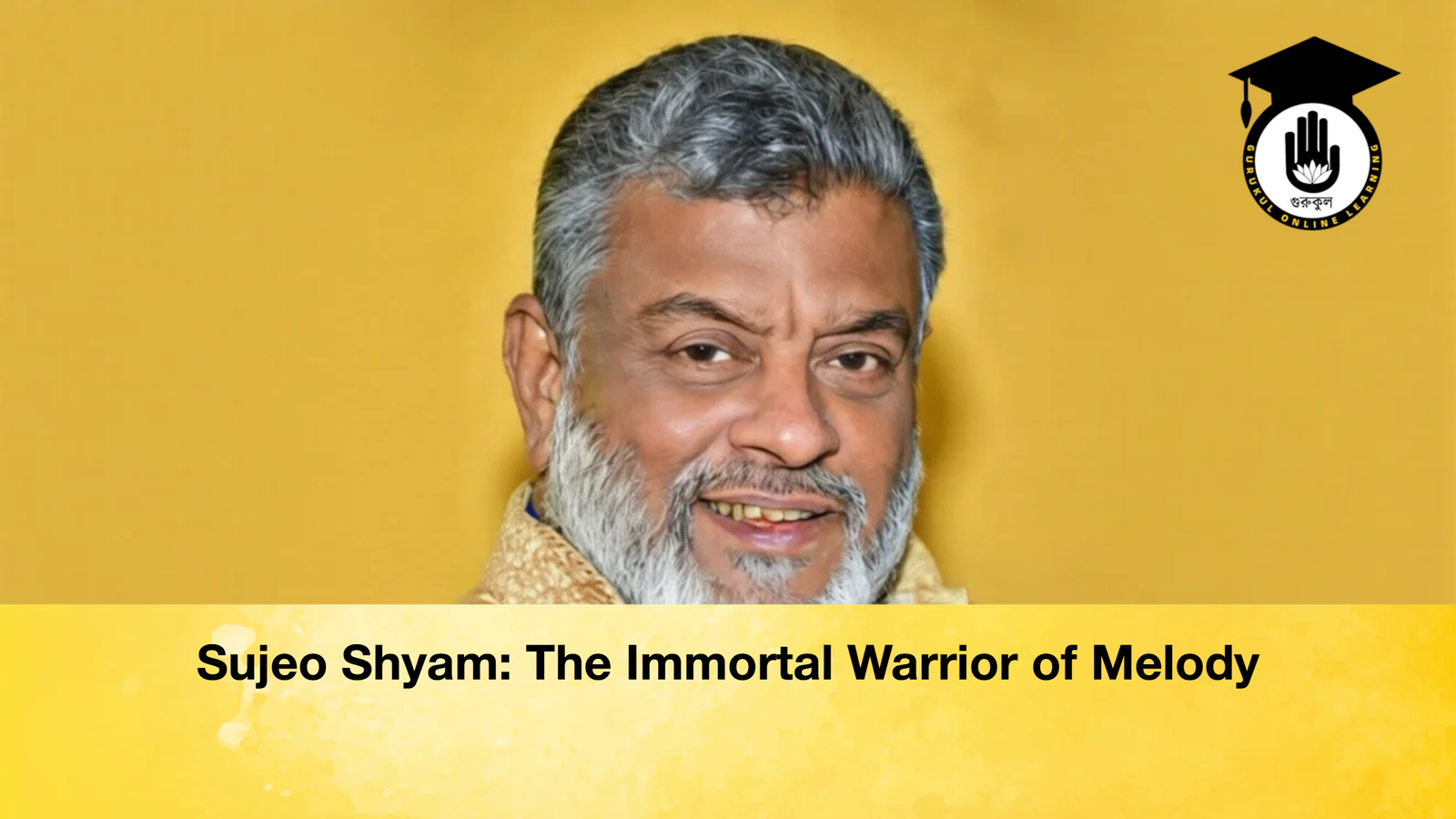
Bangladesh’s musical heritage owes a great deal to the legacy of Sujeo Shyam, a celebrated composer, cultural figure, and a brave freedom fighter who served as a “word soldier” at the historic Swadhin Bangla Betar Kendra during the Liberation War of 1971. Blending melody, patriotism, and creative expression, he emerged as one of the most distinctive personalities in the country’s film music and wartime musical tradition.
Born on 14 March 1946 in Sylhet, Sujeo Shyam demonstrated a deep passion for music from an early age. Growing up in a culturally vibrant environment, he gradually immersed himself in musical training and creative exploration. His natural sense of melody and ability to blend classical and folk influences soon drew attention within the musical community, allowing him to establish himself as a promising composer at a relatively young age.
His professional journey in film music began in 1969 when he started working jointly with music director Raja Hossain. The duo became widely known in the Bangladeshi film industry as the “Raja–Shyam” partnership. Throughout the 1970s and 1980s, they composed music for around twenty-five films together. Among the most notable productions featuring their music were Surjogrohon, Surjo Sangram, and Bhool Jokhon Bhanglo. Their collaborative work contributed significantly to shaping the musical character of Bangladeshi cinema during that era.
Sujeo Shyam’s composition for the film Surjogrohon earned him the prestigious Bachsas Film Award, recognising his exceptional talent as a music director. His work during this period reflected a distinctive blend of emotional depth and musical sophistication.
During the Liberation War of 1971, Sujeo Shyam joined the legendary Swadhin Bangla Betar Kendra, the radio station that played a crucial role in inspiring the freedom struggle. There, he worked as both a vocalist and composer, producing and performing patriotic songs that strengthened the morale of freedom fighters and civilians alike. The songs broadcast through the station became a powerful cultural weapon, spreading courage and hope across the war-torn nation.
In 1986, he began working independently as a music director with the film Boloban, directed by Abdul Latif Bacchu. From that point onwards, he composed music for numerous films, gradually developing a unique musical signature characterised by lyrical richness and deep emotional resonance.
In the early years of the twenty-first century, Sujeo Shyam achieved another milestone when he composed the soundtrack for the film Hason Raja, based on the life of the legendary Baul mystic Hason Raja. The music received widespread acclaim and earned him his first National Film Award. At the special request of filmmaker Chashi Nazrul Islam, he also lent his own voice to one of the songs in the film, further highlighting his versatility as an artist.
His commitment to preserving the musical heritage of the Liberation War led him to direct a special album in 2006 titled Songs of Swadhin Bangla Betar. The album compiled 46 songs originally broadcast by Bangladesh Betar in 1971, helping to introduce a new generation to the musical spirit of the Liberation War.
Later in his career, he continued to contribute to films related to the history of Bangladesh. In 2014, he composed music for the Liberation War-themed films Ekattorer Khudiram and Ekattorer Ma Janani, both of which received appreciation from audiences and critics alike.
Below is a brief overview of key milestones in his life and career:
| Aspect | Details |
|---|---|
| Full Name | Sujeo Shyam |
| Birth | 14 March 1946, Sylhet |
| Profession | Composer, Music Director, Freedom Fighter |
| Early Film Career | Began in 1969 with Raja Hossain |
| Famous Collaboration | “Raja–Shyam” music duo |
| Role in 1971 | Performer and composer at Swadhin Bangla Betar Kendra |
| First National Film Award | For music direction in Hason Raja |
| Preservation Work | Album of 46 Liberation War songs (2006) |
| Major Honours | Ekushey Padak, National Film Award, Shilpakala Padak |
For his outstanding contribution to music and culture, Sujeo Shyam received several prestigious honours from the state, including the Ekushey Padak and the Shilpakala Padak. In the National Film Awards 2021, he was also recognised as the Best Composer and Music Director, further affirming his enduring influence on Bangladesh’s cultural landscape.
On the morning of 18 October 2024, Sujeo Shyam passed away, leaving behind a remarkable legacy of music, patriotism, and artistic devotion. Though he is no longer among us, the melodies he created and the spirit he carried continue to resonate deeply in the hearts of the Bangladeshi people.
His life remains a testament to the power of music as a voice of freedom, identity, and national pride.
মন্তব্য