Yesterday afternoon at the Chhayanaut auditorium in Dhaka, the two-day Shuddho Sangeet Utsav 1432 commenced, dedicated to the legendary maestro Ustad Alauddin Khan. The festival opened with the national anthem, and the first session extended until 9:30 pm, offering an immersive journey into the depth and beauty of classical Bengali music.
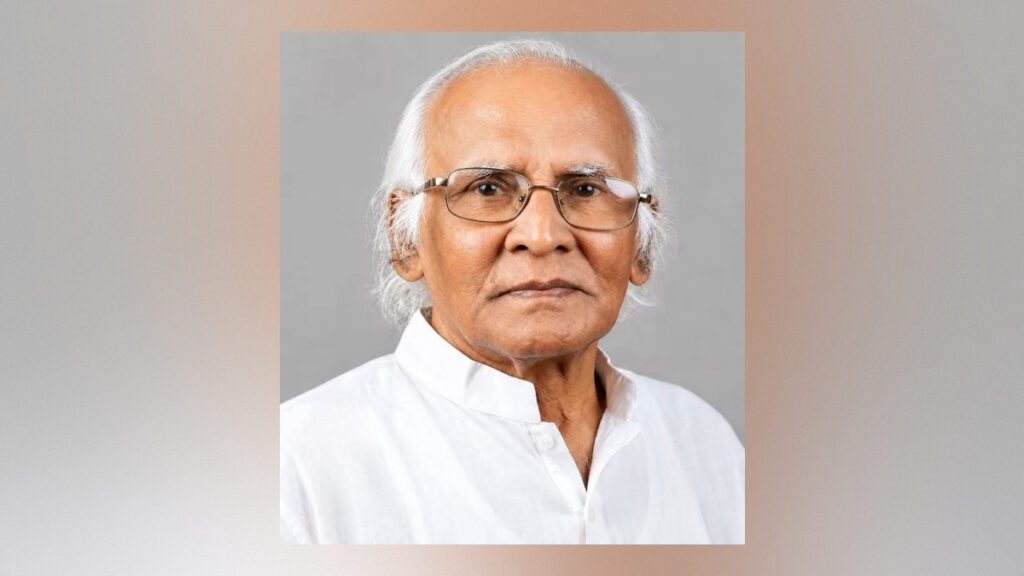
In his welcome address, Chhayanaut President Sarwar Ali recalled the traumatic attack on the institution earlier this year: “This is our first event in this building since the assault. A group forcefully entered the six-storey premises past midnight, attempting to set fire to every room. Their main anger was directed at our musical instruments. They also destroyed textbooks and supplementary materials at the ‘Nalanda’ children’s school. While the financial loss was considerable, the deepest wound was in the hearts of students and teachers. Yet, this injury has strengthened our resolve to persevere.”
He further emphasised the festival’s broader mission: “We seek a safe space to perform, practice, and celebrate music freely. The unimpeded cultivation of Bengali culture is our fundamental right.”
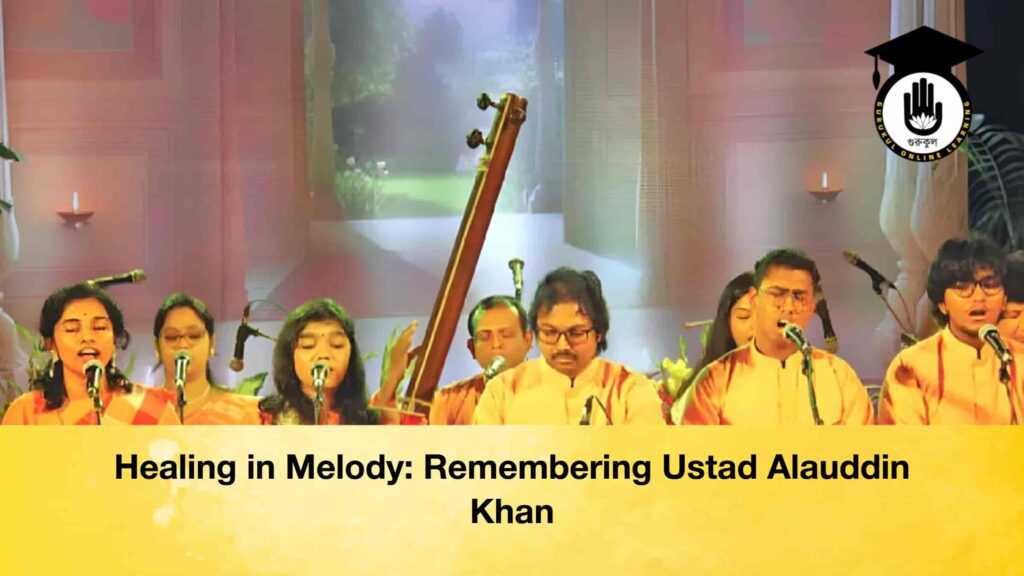
The evening’s programme began with Chhayanaut’s Sammelon Song Team under the baton of Asit Kumar De, presenting a murchhana blending five ragas with robust tabla rhythms and the delicate harmonium accompaniment of Tinku Shil, creating a profoundly meditative atmosphere. Following this, Dipra Nishant rendered the Purbi raga, weaving the melancholy of dusk with subtle glimmers of light through his vocal performance.
Subsequent acts poignantly revived memories of the fire-ravaged building: Ignatius Rosario and Apratim Roy performed a duo on the tabla, while Ebadul Haque Saikat explored the Imonkallyan raga on sitar, anchored by Ridwan Rahman’s continuous tanpura accompaniment.
The festival also featured Shaila Tasmin from Rajshahi performing Shyamkallyan raga, evoking the serene yet resilient moods of the riverine landscape. Bitu Shil presented the Bachaspati raga, merging emotion with defiance, and the evening concluded with Mrityunjay Das on flute performing Rageshri raga, a melodic balm for wounded hearts.
Festival Programme and Artists:
| No. | Artist / Ensemble | Raga / Melody | Instruments | Highlight |
|---|---|---|---|---|
| 1 | Chhayanaut Sammelon Song Team | Five ragas | Tabla, Harmonium | Deeply meditative murchhana |
| 2 | Dipra Nishant | Purbi Raga | Tabla, Sarangi, Harmonium | Evening melancholy mingled with light |
| 3 | Ignatius Rosario & Apratim Roy | Duo Tabla | Tabla | Revives memory of the fire-ravaged building |
| 4 | Ebadul Haque Saikat | Imonkallyan Raga | Sitar, Tabla, Tanpura | Structural integrity and melodic promise |
| 5 | Shaila Tasmin | Shyamkallyan Raga | Harmonium, Tabla, Tanpura | Serene yet firm riverine melody |
| 6 | Bitu Shil | Bachaspati Raga | Tabla, Harmonium | Fusion of emotion and resistance |
| 7 | Mrityunjay Das | Rageshri Raga | Flute, Tabla | Healing melody with profound impact |
The festival concluded with a final performance led by Asit Kumar De, encapsulating both the pain and resilience of the institution through the universal language of music, leaving the audience with a renewed sense of hope, remembrance, and cultural pride.