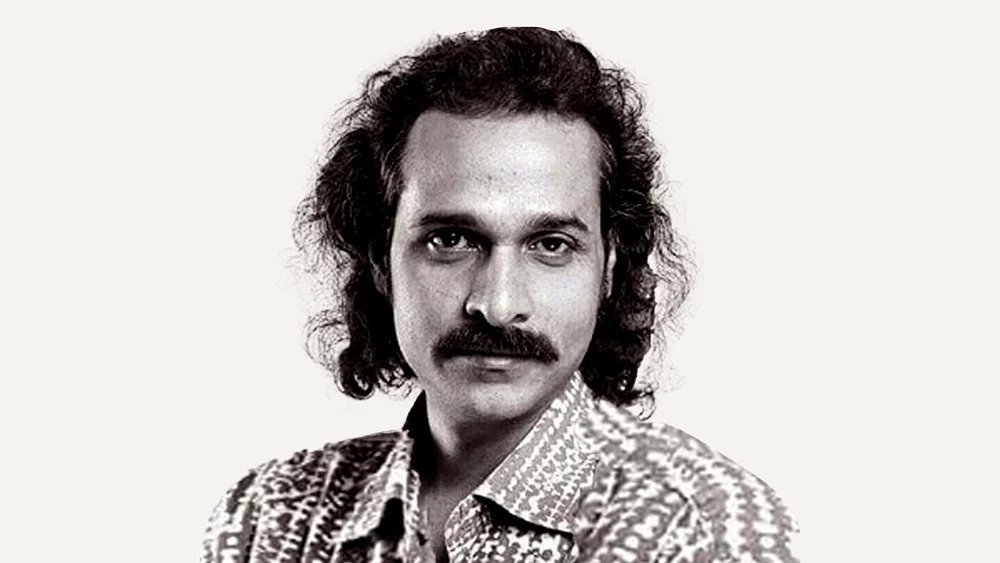
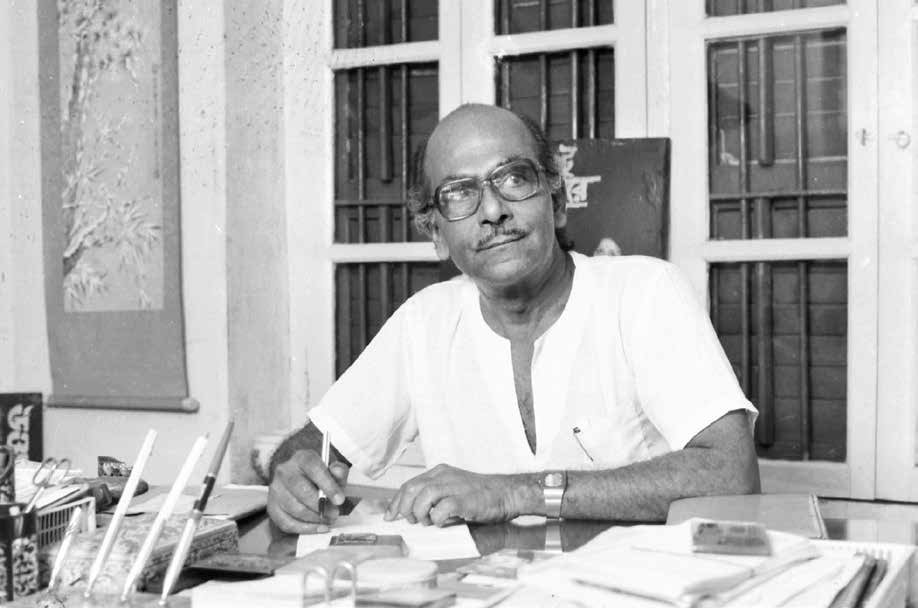
“People’s songs have ignited the fire in our veins, inspired us, and shown us the path to freedom,” echoed once again at the Shaheed Minar as legendary composer Salil Chowdhury was remembered on his centenary. On Wednesday evening, Udichi organised a special programme titled “Satata Salil” at the central Shaheed Minar to commemorate the iconic figure of Bangladeshi folk and revolutionary music.
The event, a combination of discussions, songs, poetry, and dance, served as both a tribute and a revival of the spirit of his work. Presiding over the ceremony was Habibul Alam, acting president of Udichi Central Council. Participating in the discussion were writer-researcher and Dhaka University faculty member Sayem Rana, along with Udichi Central Committee general secretary Jamshed Anwar. The event was conducted by deputy general secretary Iqbalul Haq Khan.
Speakers highlighted Salil Chowdhury’s pivotal role in the historical trajectory of the nation. From anti-British movements to the struggles of ordinary people in Bengal, his songs have inspired courage, instilled hope, and illuminated the path to liberation. They emphasised that Chowdhury’s genius lay in transforming poetry and protest slogans into music, turning his songs into rallying cries for the people. Though revolutionary music often clashed with the preferences of ruling elites, it has remained a source of strength in every fight for freedom.
The cultural programme that followed was equally captivating. Udichi’s music department and the chorus performed group songs, while Tanvir Alam Sajib and Monsur Ahmed presented solo pieces. Dance was performed by Spandan, with solo performances by Adrita Anwar Prakriti. Recitations were delivered by Udichi’s recitation department, with solo recitation by Shahed Newaz.
Born on 19 November 1925 in Gajipur, South 24 Parganas, Salil Chowdhury composed his immortal song “Gaayer Bodhu” at the age of 22. His compositions, spanning Western classical styles to Assamese folk, became the anthems of people’s struggles. He composed music for over 150 films in Bengali, Hindi, and Malayalam, including the internationally acclaimed Do Bigha Zamin. On his centenary, Shaheed Minar resonated with the timeless music of courage, struggle, and human liberation that he left behind.