Frost Symphony Delivers Stunning Balance of Darkness and Light
খবরওয়ালা ডেস্ক
প্রকাশ: ১৬ই নভেম্বর ২০২৫, ৭:৪ পিএম
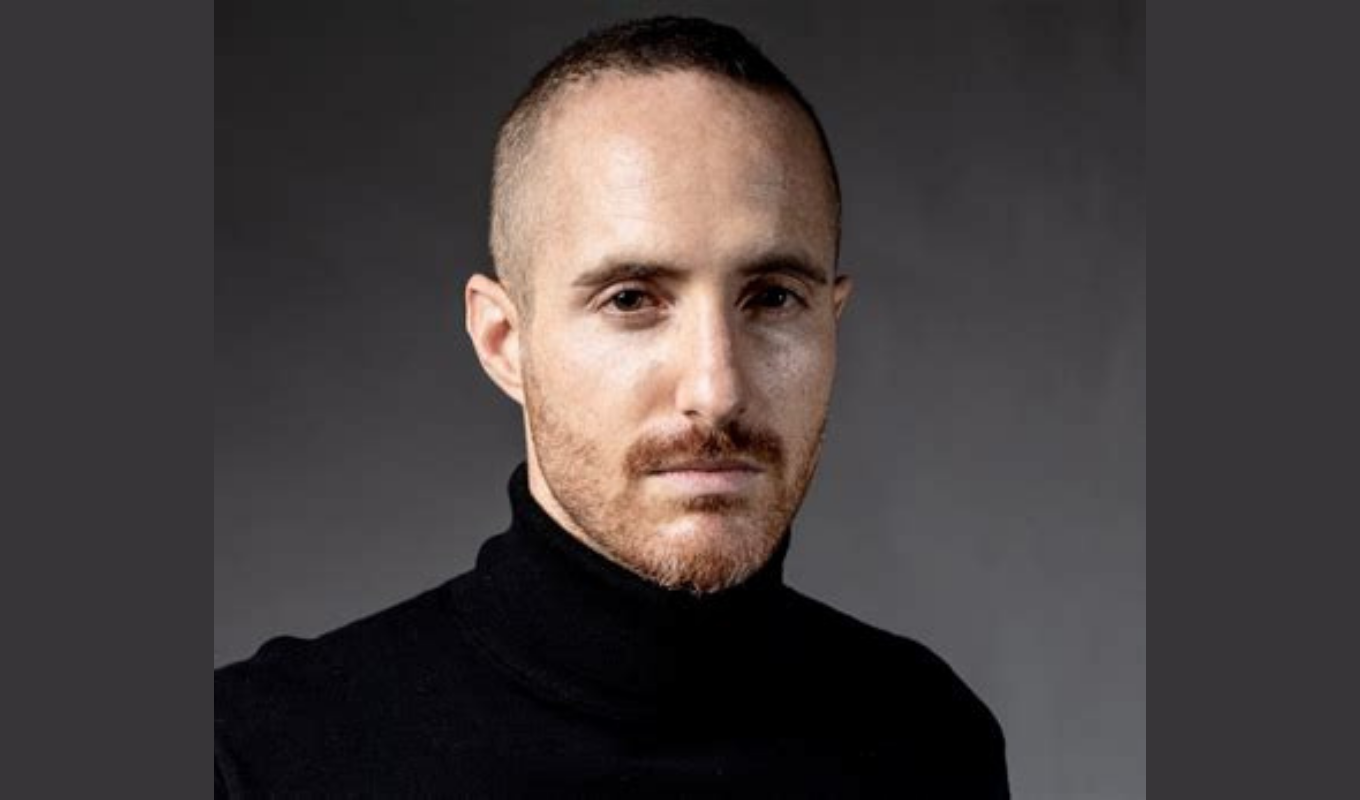
The Frost Symphony Orchestra (FSO) continued its season with a captivating performance on Saturday night, titled “From Darkness to Light,” conducted by Music Director Gerard Schwarz. This concert, one of the most meticulously curated in recent years, offered an evening of Central European works celebrating exaltation, with a runtime of two and a half hours that struck a perfect balance.
The concert opened with Sinfonia Sacra by Polish composer Andrzej Panufnik, a piece that, while lesser-known, is considered his most frequently performed work. The Sinfonia, first premiered in the U.S. by Leopold Stokowski in 1965, was composed to mark the millennium of Poland’s Christianity and statehood. Built around the medieval Polish chant Bogurodzica—thought to be the oldest surviving music in the Polish language—the work incorporates subtle references to the chant, unfolding in a tapestry of textures and sonorities. It shared similarities with the work of Panufnik’s more prominent contemporaries, such as Górecki, Penderecki, and Lutosławski.
The piece gave the FSO a chance to showcase the rich, signature sound developed under Schwarz’s leadership. The orchestra’s thick brass, lush strings, resonant woodwinds, and precise percussion played an essential role in highlighting the religious and patriotic themes of the work, with notable timpani solos placed antiphonally.
Next, graduate conductor Shun Yao took the podium for two more works, including the world premiere of Do the Angels in the Sky Sing to the Moon? by Frost alumnus Devin Cholodenko. Cholodenko’s composition, exploring a range of colours and dynamic shifts, played to the orchestra’s strengths. His sensitive use of orchestral colour created a dreamlike effect, with Shun Yao and the orchestra navigating each dynamic nuance with confidence.
The spotlight then shifted to Frost DMA student Kevin Knowles, who performed Beethoven’s Piano Concerto No. 4 in G Major, Op. 58. Beethoven’s pastoral concerto proved to be the perfect centrepiece for a concert focused on hymnic and celebratory music. Knowles brought out a delicate, opalescent sound in each note, especially during the second movement, where the pianist is instructed to play “una corda.” His gentleness was at times overshadowed by the orchestra, but this sensitivity became a virtue. The Rondo finale saw Knowles open up, matching the orchestra’s energy with brilliance. Despite a few minor lapses in coordination, the performance was an overall delight, focused on the joy of music-making.
Since Gerard Schwarz’s appointment as FSO’s Music Director in 2019, it has become a tradition to perform one of Brahms’s symphonies each season. However, this year’s programme saw a change, with Dvořák’s Symphony No. 8 in G Major, Op. 88, replacing Brahms. The orchestra delivered a performance of the symphony in peak form, with rhythmic precision and control.
While the symphony lacks an explicit literary programme, its pastoral elements—particularly the frequent flute solos that evoke birdsong and folk music—were evident. Lia Suk’s performance on the flute stood out, her warm tone enchanting throughout. Schwarz, relaxed in his direction, allowed the orchestra to highlight their softer dynamic range, drawing the audience in at crucial moments. Though stormy at times, the symphony’s overall mood was one of celebration, particularly highlighted by the bold horn lines.
In conclusion, the orchestra displayed superb balance and cohesion, with the concert’s reverent atmosphere brought full circle by a trumpet fanfare in the finale that echoed the opening fanfare of the Panufnik work. This concert showcased the FSO’s ability to navigate the contrasts of darkness and light with precision, grace, and impressive musicality.
মন্তব্য