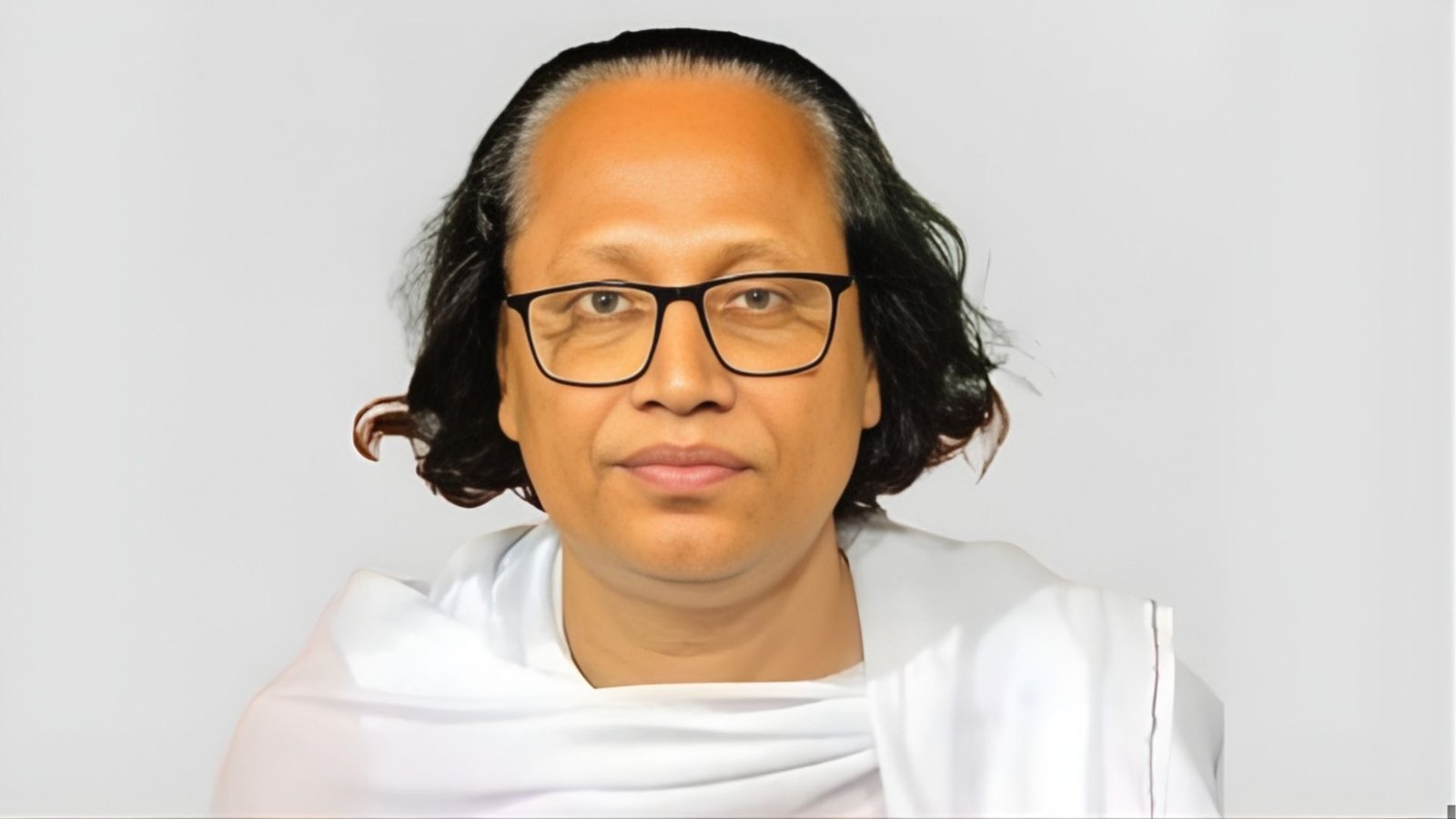
The arrest of Baul singer Abul Sarkar in Manikganj, under charges of “hurting religious sentiments”, has reignited debate surrounding the safety of Bangladesh’s folk and spiritual artistes. What has particularly unsettled cultural activists is the subsequent attack on his devotees—a pattern that mirrors earlier assaults on Baul practitioners across the country. In light of these developments, 258 distinguished citizens have issued a compelling public statement urging the authorities to release all detained Bauls and to take a firm stance against rising extremism.
Their statement describes a social landscape increasingly dominated by fear and ideological policing. Since the July uprising, the signatories argue, an emboldened extremist faction has attempted to claim monopolistic ownership of Islamic identity. Under this guise, they have enforced vigilante actions: breaking the structures of hundreds of shrines, denouncing individuals as “apostates”, exhuming bodies for public burning, cutting the hair of dreadlocked mystics, intimidating women in public spaces, and sabotaging cultural gatherings—ranging from musical performances to local fairs.
According to the citizens, such acts represent more than isolated instances of violence; they constitute an attack on Bangladesh’s pluralistic heritage. Everyday gestures of joy, celebration and artistic expression—singing, dancing, theatre, spiritual gatherings—are increasingly being cast as transgressions. The recurring misuse of “religious defamation” has, they argue, become a strategic tool to silence non-conformity.
The statement also expresses disappointment at the state’s response. Law-enforcement agencies, they allege, have offered little resistance to mob assaults and, at times, sought to minimise incidents by describing the aggressors as “pressure groups”. Even more troubling, victims have been detained under fabricated charges. The arrest of Abul Sarkar, they insist, is emblematic of a broader attempt to suppress cultural dissent.
The signatories emphasise that this trajectory undermines the inclusive democratic vision promised during the July movement. Eighteen months on, they fear that continued indulgence of religious fascism could alienate pro-democracy citizens, legitimise extremist elements and damage Bangladesh’s international standing by portraying it as susceptible to radicalisation.
They urge the government to take decisive steps to protect marginalised cultural communities, reaffirm secular democratic values, and release Abul Sarkar without delay. The lengthy list of signatories—from leading academics and writers to Baul practitioners themselves—underscores the breadth of concern across society.